CONNECTING RESEARCH, POLICY, AND PRACTICE
THROUGH SHIFTING PARADIGMS IN PUBLIC EDUCATION
The landscape of public education is constantly shifting, navigating enduring and emerging issues while integrating new technologies, innovations, and evidence-based practices. To help PK-12 schools adapt to these changes and support positive outcomes in the communities that they serve, it is critical to connect across educational research, policy, and practice. The Metropolitan Educational Research Consortium (MERC) is a longstanding partnership between the School of Education at Virginia Commonwealth University and PK-12 school divisions in the metropolitan Richmond region. The MERC Summit is its annual gathering of key stakeholders who come together to collaborate around some of the most complex issues and exciting ideas in public education.
The goals of the summit are:
1. To offer interactive sessions where educational practitioners, researchers, and policymakers can learn together and collaborate on strategies to address prominent issues in public schools.
2. To explore innovative approaches to supporting K-12 students, educators, and families.
3. To learn from locally-developed research exploring trends, outcomes, and recommendations specific to metropolitan Richmond schools.
4. To leverage the benefits of research-practice partnerships between universities and K-12 public school systems by forging meaningful connections between stakeholders.
The summit format will focus on collaborative sessions where attendees are invited to actively contribute their ideas and expertise. Lunch will be provided. Participants will receive a certificate for 7 contact hours for continuing education credit.
THROUGH SHIFTING PARADIGMS IN PUBLIC EDUCATION
The landscape of public education is constantly shifting, navigating enduring and emerging issues while integrating new technologies, innovations, and evidence-based practices. To help PK-12 schools adapt to these changes and support positive outcomes in the communities that they serve, it is critical to connect across educational research, policy, and practice. The Metropolitan Educational Research Consortium (MERC) is a longstanding partnership between the School of Education at Virginia Commonwealth University and PK-12 school divisions in the metropolitan Richmond region. The MERC Summit is its annual gathering of key stakeholders who come together to collaborate around some of the most complex issues and exciting ideas in public education.
The goals of the summit are:
1. To offer interactive sessions where educational practitioners, researchers, and policymakers can learn together and collaborate on strategies to address prominent issues in public schools.
2. To explore innovative approaches to supporting K-12 students, educators, and families.
3. To learn from locally-developed research exploring trends, outcomes, and recommendations specific to metropolitan Richmond schools.
4. To leverage the benefits of research-practice partnerships between universities and K-12 public school systems by forging meaningful connections between stakeholders.
The summit format will focus on collaborative sessions where attendees are invited to actively contribute their ideas and expertise. Lunch will be provided. Participants will receive a certificate for 7 contact hours for continuing education credit.
Location
Deep Run High School
4801 Twin Hickory Rd,
Glen Allen, VA 23059
Henrico County Public Schools
4801 Twin Hickory Rd,
Glen Allen, VA 23059
Henrico County Public Schools
Date & Time
Thursday, June 25, 2026,
9:00 AM - 4:00 PM
(check in 8:00-9:00)
9:00 AM - 4:00 PM
(check in 8:00-9:00)
SCHEDULE
8:00-9:00
CHECK-IN
Grab your name tag, a program, and a cup of coffee to start your day.
9:00-10:30
WELCOME AND STUDENT PANEL
Welcome to the 2026 MERC Summit! In this opening session we will discuss our theme of Connecting Research, Policy, and Practice Through Shifting Paradigms in Public Education and talk about what to expect for the rest of the day. We will then hear from a panel of Deep Run High School students to help ground our conversations throughout the rest of the Summit.
10:45-12:00
COLLAB ONE
12:00-1:15
LUNCH
1:15-2:30
COLLAB TWO
2:45-4:00
COLLAB THREE
WELCOME/OPENING STUDENT PANEL
9:00-10:30
9:00-10:30
WELCOME TO THE 2026 MERC SUMMIT!
AUDITORIUM
VCU School of Education Associate Dean Kevin Sutherland, Richmond Public Schools Senior Advisor for Advocacy & Policy (and MERC PPC Chair) Matthew Stanley; Deep Run High School Associate Principal Chris Clement, and MERC Director David Naff offer welcome remarks to the 2026 MERC Summit, along with a brief overview of what to expect for the day.
DEEP RUN HIGH SCHOOL STUDENT PANEL
A panel of students from our host site Deep Run High School will reflect on the different themes of the 2026 MERC Summit and offer their vision for the future of public education.

Riley Haefner
Rising 12th Grader

Faribah Nuha
class of 2026 graduate

Hannah Olubiyi
rising 12th grader

Alec Stutman
Class of 2026 graduate

Alex Tate
rising 10th grader
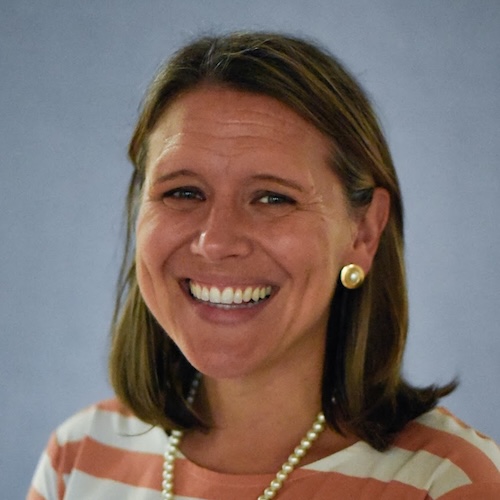
Melissa Cho
English teacher (moderator)
There are three collabs at the MERC Summit. Each is 75 minutes long and offers two different types of sessions:
Breakout sessions include multiple presentations on a related topic. After all of the presentations have concluded, a Session Chair will facilitate a discussion with the presenters and attendees. Breakout sessions are a great way to hear from multiple perspectives from the community exploring connected topics in public education.
Symposia involve a team of presenters sharing about their work connecting research, policy, and practice. Participants can expect to engage in interactive activities or dialogue during the session. Symposia are a great way to do an interactive deep dive into a particular project, initiative, or study.
These sessions cover a variety of pertinent topics in public education. The MERC Summit is structured around the idea that all attendees have important perspectives to share. We encourage you to attend sessions that resonate with you and where you can connect with colleagues throughout the MERC region who share similar interests for potential future collaboration opportunities.
COLLAB ONE
10:45-12:00
10:45-12:00
Session 1. Building Capacity for Mental Health Support in Schools (Breakout Session)
ROOM: BAND
VMAP School Mental Health: Expanding Knowledge and Resources Available for Educators
Jordan Swineford-Johnson, PhD, Virginia Mental Health Access Program; Jackie Cotton MD, FAAP, Virginia Mental Health Access Program, REACH Institute
This presentation will share how identified gaps in mental health supports for students spurred collaborative efforts between the Va-AAP and VMAP, designing resources for school staff. The session will share development and dissemination of School Mental Health Toolkits and educational materials, analysis of program success, and planned opportunities for expansion.
Takeaways:
1. Participants will demonstrate understanding of the contents, purposes, and intended use of the School Mental Health Toolkits.
2. Participants will articulate the importance of collaborative community partnerships to ensure students reach their optimal level of mental health and well-being for academic success.
3. Participants will identify the ways that health disparities and mental health equity strategies can be incorporated into school practice, modeling inclusive and equitable practices that positively impact diverse populations.
This presentation will share how identified gaps in mental health supports for students spurred collaborative efforts between the Va-AAP and VMAP, designing resources for school staff. The session will share development and dissemination of School Mental Health Toolkits and educational materials, analysis of program success, and planned opportunities for expansion.
Takeaways:
1. Participants will demonstrate understanding of the contents, purposes, and intended use of the School Mental Health Toolkits.
2. Participants will articulate the importance of collaborative community partnerships to ensure students reach their optimal level of mental health and well-being for academic success.
3. Participants will identify the ways that health disparities and mental health equity strategies can be incorporated into school practice, modeling inclusive and equitable practices that positively impact diverse populations.
Supportive Together: Building Resources for Implementation of Comprehensive Suicide Prevention
Emma Gleckel, Campus Suicide Prevention Center of Virginia; Scott Pruett, Campus Suicide Prevention Center of Virginia; Danette Gibbs, Campus Suicide Prevention Center of Virginia
This session introduces SupportiveTogether, a statewide initiative advancing K-12 suicide prevention through practical resources and a collaborative virtual learning model. Participants will explore research-identified key gaps in preparedness, strategies for interdisciplinary and cross-division collaboration, and tools aligned with Virginia’s guidelines to strengthen comprehensive, sustainable school-based suicide prevention efforts.
Takeaways:
1. Attendees will reflect on statewide data on suicide prevention and crisis response practices in Virginia K–12 schools.
2. Attendees will explain the value of interdisciplinary teams in developing comprehensive suicide prevention, intervention, and postvention protocols, and in conducting a self-assessment of their current practices.
3. Attendees will be able to navigate SupportiveTogether resources to identify current legislation, state guidance, and practical tools for strengthening K–12 suicide prevention efforts.
This session introduces SupportiveTogether, a statewide initiative advancing K-12 suicide prevention through practical resources and a collaborative virtual learning model. Participants will explore research-identified key gaps in preparedness, strategies for interdisciplinary and cross-division collaboration, and tools aligned with Virginia’s guidelines to strengthen comprehensive, sustainable school-based suicide prevention efforts.
Takeaways:
1. Attendees will reflect on statewide data on suicide prevention and crisis response practices in Virginia K–12 schools.
2. Attendees will explain the value of interdisciplinary teams in developing comprehensive suicide prevention, intervention, and postvention protocols, and in conducting a self-assessment of their current practices.
3. Attendees will be able to navigate SupportiveTogether resources to identify current legislation, state guidance, and practical tools for strengthening K–12 suicide prevention efforts.
She Reads, She Leads: Centering Black Girls’ Voices in Out-of-School Mental Health Spaces
Christina Tillery, PhD, Christina Tillery Consulting; Anaiah Broadnax, Saint Benedict Catholic School
This presentation highlights She Reads, She Leads, an out-of-school-time program centering Black girls’ voices through BiblioCounseling. It explores how culturally relevant texts and dialogue support mental health, identity, and belonging, while sharing youth perspectives and practical strategies educators can use to implement similar supports in school and community settings.
Takeaways:
1. Attendees will understand how BiblioCounseling can be used in out-of-school-time settings to support Black girls’ mental health and identity development
2. Attendees will identify strategies for centering student voice as a form of data to inform programming and practice
3. Attendees will explore practical ways to design or adapt culturally responsive mental health supports in school and community settings
This presentation highlights She Reads, She Leads, an out-of-school-time program centering Black girls’ voices through BiblioCounseling. It explores how culturally relevant texts and dialogue support mental health, identity, and belonging, while sharing youth perspectives and practical strategies educators can use to implement similar supports in school and community settings.
Takeaways:
1. Attendees will understand how BiblioCounseling can be used in out-of-school-time settings to support Black girls’ mental health and identity development
2. Attendees will identify strategies for centering student voice as a form of data to inform programming and practice
3. Attendees will explore practical ways to design or adapt culturally responsive mental health supports in school and community settings
SESSION CHAIR
Mary Beth Leon, Chesterfield County Public Schools
Session 2. Evaluation to Action: A Collaborative Evaluation Partnership Supporting Effective Alternative Education Programming (Symposium)
ROOM: ENSEMBLE
Jennifer Rucker, EdD, Henrico County Public Schools; Tiffany Hinton, PhD, Henrico County Public Schools; Adria Mayo, Henrico County Public Schools; Jesse Senechal, PhD, Institute for Collaborative Research and Evaluation, Virginia Commonwealth University; Paula Ogston-Nobile, PhD, Institute for Collaborative Research and Evaluation, Virginia Commonwealth University
This symposium highlights a VCU and Henrico County Public Schools partnership, sharing how use-oriented findings from an alternative education evaluation drive program improvements. Attendees will engage with findings through profile-based reflections, challenging them to consider how systemic shifts can better support stakeholder needs and foster data-driven educational change.
Takeaways:
1. Participants will understand the role of Alternative Education Programs within a school division ecosystem, including how they support student needs and interact with comprehensive school settings.
2. Participants will identify how collaborative evaluation approaches can support ongoing improvement and decision-making in complex educational systems.
3. Participants will apply evaluation-informed program considerations to student-centered scenarios to generate actionable strategies for practice.
This symposium highlights a VCU and Henrico County Public Schools partnership, sharing how use-oriented findings from an alternative education evaluation drive program improvements. Attendees will engage with findings through profile-based reflections, challenging them to consider how systemic shifts can better support stakeholder needs and foster data-driven educational change.
Takeaways:
1. Participants will understand the role of Alternative Education Programs within a school division ecosystem, including how they support student needs and interact with comprehensive school settings.
2. Participants will identify how collaborative evaluation approaches can support ongoing improvement and decision-making in complex educational systems.
3. Participants will apply evaluation-informed program considerations to student-centered scenarios to generate actionable strategies for practice.
Session 3. Shutting Down Schools: Trends in School Closure in Virginia, 2000 to 2025 (Symposium)
ROOM: FORUM
Joseph L. Boselovic, PhD, Institute for the Study of Education, Justice and Democracy, College of William & Mary; Melissa Reese; Jori Beck, College of William & Mary
This symposium will explore the dynamics of school closure in Virginia in recent decades. Building on prior research on school closure, this presentation will review key trends and highlight case studies to help a broad range of figures invested in Virginia’s public schools understand the causes and consequences of school closure.
Takeaways:
1. Participants will develop a research-informed understanding of the factors that may result in districts closing schools and the consequences of school closure for children, teachers, school and district leadership, and local communities.
2. Participants will increase their awareness of where and when school closures have happened in Virginia in the last 25 years and what kinds of students and communities have been most impacted by closures.
3. Participants will have the opportunity to reflect on the relevance of school closures for their own educational and professional experiences in order to develop strategies to effectively respond to potential school closures in their districts in the future.
This symposium will explore the dynamics of school closure in Virginia in recent decades. Building on prior research on school closure, this presentation will review key trends and highlight case studies to help a broad range of figures invested in Virginia’s public schools understand the causes and consequences of school closure.
Takeaways:
1. Participants will develop a research-informed understanding of the factors that may result in districts closing schools and the consequences of school closure for children, teachers, school and district leadership, and local communities.
2. Participants will increase their awareness of where and when school closures have happened in Virginia in the last 25 years and what kinds of students and communities have been most impacted by closures.
3. Participants will have the opportunity to reflect on the relevance of school closures for their own educational and professional experiences in order to develop strategies to effectively respond to potential school closures in their districts in the future.
Session 4. Promoting Experiential Learning in STEM and CTE (Breakout Session)
ROOM: FAMILY AND CONSUMER SCIENCES
Science is Real Here: Anchoring Science Discourse in Students' Lives
Joanna Minott, Huguenot High School, Richmond Public Schools; Gabriella Osei-Poku, Virginia Commonwealth University
This presentation focuses on a research practice partnership between VCU Discourse and Learning Lab, STEM4Real, and Richmond Public Schools. Grounded in the shared goals of creating equitable science discourse in blended learning environments, teachers present how the Richmond Water Crisis and Chicken Nuggets anchored science talk, highlighting student work and technology integration.
Takeaways:
1. Participants will explore how shifting instructional roles—positioning teachers as instructional designers and students as experts within their communities—supports more meaningful, student-centered science learning.
2. Participants will examine how community-rooted phenomena connected to students’ lived experiences can increase engagement, relevance, authentic inquiry, and sustained scientific discourse.
3. Participants will learn how structured opportunities for student discourse, supported through lesson study and research-practice partnerships, foster equitable learning, deeper reasoning, and collaborative knowledge-building.
This presentation focuses on a research practice partnership between VCU Discourse and Learning Lab, STEM4Real, and Richmond Public Schools. Grounded in the shared goals of creating equitable science discourse in blended learning environments, teachers present how the Richmond Water Crisis and Chicken Nuggets anchored science talk, highlighting student work and technology integration.
Takeaways:
1. Participants will explore how shifting instructional roles—positioning teachers as instructional designers and students as experts within their communities—supports more meaningful, student-centered science learning.
2. Participants will examine how community-rooted phenomena connected to students’ lived experiences can increase engagement, relevance, authentic inquiry, and sustained scientific discourse.
3. Participants will learn how structured opportunities for student discourse, supported through lesson study and research-practice partnerships, foster equitable learning, deeper reasoning, and collaborative knowledge-building.
Impact of the VCU-CISTEME STEM Teacher Academy on Teacher Efficacy, Attitudes and Beliefs on the Facilitation of Students’ STEM Research Projects
Breonne Shana Brooks, Virginia Commonwealth University; Genesis Julyus T. Agcaoili, PhD, Richmond Public Schools, Tiffany Brackett, M.Ed., M.S., Petersburg Public Schools
This presentation will examine CISTEME’s STEM Teacher Academy, a 10-month professional development program supporting teachers in facilitating student research for science and engineering fairs. Using a mixed-methods approach, it will highlight impacts on teacher confidence and practice and will explore implications for scaling effective, research-informed STEM professional and student development models.
Takeaways:
1. Participants will learn how to design an effective STEM-focused professional development for educators.
2. Participants will understand what impacts teacher confidence and guides instructional practice.
3. Participants will gain strategies and considerations for similar implementation.
This presentation will examine CISTEME’s STEM Teacher Academy, a 10-month professional development program supporting teachers in facilitating student research for science and engineering fairs. Using a mixed-methods approach, it will highlight impacts on teacher confidence and practice and will explore implications for scaling effective, research-informed STEM professional and student development models.
Takeaways:
1. Participants will learn how to design an effective STEM-focused professional development for educators.
2. Participants will understand what impacts teacher confidence and guides instructional practice.
3. Participants will gain strategies and considerations for similar implementation.
From Classroom to Career: A Collaborative Pipeline Between High School and Higher Education FACS Programs
LaWanda G. Wallace, Henrico County Public Schools; Jada E. Brooks, PhD, Virginia State University
This presentation explains how high schools and colleges can work together to improve Family and Consumer Sciences (FACS) education. It highlights ways to connect classes, support student transitions, and increase career awareness. The approach also addresses teacher shortages and promotes engaging, real-world learning to better prepare students for college and future careers.
Takeaways:
1. Participants will gain knowledge on a framework for building strong partnerships between secondary and postsecondary educators.
2. Participants will gain strategies for aligning high school and college curricula to reduce barriers and support smooth student transitions.
3. Participants will enhance their understanding of how collaborative models can address FACS teacher shortages by strengthening the educator pipeline.
This presentation explains how high schools and colleges can work together to improve Family and Consumer Sciences (FACS) education. It highlights ways to connect classes, support student transitions, and increase career awareness. The approach also addresses teacher shortages and promotes engaging, real-world learning to better prepare students for college and future careers.
Takeaways:
1. Participants will gain knowledge on a framework for building strong partnerships between secondary and postsecondary educators.
2. Participants will gain strategies for aligning high school and college curricula to reduce barriers and support smooth student transitions.
3. Participants will enhance their understanding of how collaborative models can address FACS teacher shortages by strengthening the educator pipeline.
SESSION CHAIR
Lindsay Duncan, Virginia Commonwealth University
Session 5. Collaborative Leadership for Student Success (Breakout Session)
ROOM: LIBRARy
School Counselor Leadership and Principal Partnerships: Building Collaborative Leadership for Student Success
Erica Daniels, PhD, Henrico County Public Schools; Starlette Anderson, Henrico County Public Schools
Strong counselor-principal partnerships are essential for school counseling programs and compliance with the 80/20 mandate. This presentation equips participants with strategies to address role confusion, reduce non-counseling duties, and align programs with school goals through data, communication, and shared accountability, strengthening leadership collaboration and improving equitable student access to positive outcomes.
Takeaways:
1. Attendees will understand the role of school counselor leadership in supporting principal partnerships and school improvement
2. Attendees will identify strategies for collaborating with principals to implement and sustain the 80/20 counseling mandate
3. Attendees will be prepared to apply tools to protect counselor time, clarify roles, and align counseling programs with student-focused outcomes
Strong counselor-principal partnerships are essential for school counseling programs and compliance with the 80/20 mandate. This presentation equips participants with strategies to address role confusion, reduce non-counseling duties, and align programs with school goals through data, communication, and shared accountability, strengthening leadership collaboration and improving equitable student access to positive outcomes.
Takeaways:
1. Attendees will understand the role of school counselor leadership in supporting principal partnerships and school improvement
2. Attendees will identify strategies for collaborating with principals to implement and sustain the 80/20 counseling mandate
3. Attendees will be prepared to apply tools to protect counselor time, clarify roles, and align counseling programs with student-focused outcomes
Rebuilding Educator Capacity to Reduce Student Disengagement and Behavioral Risk in Urban Schools
Mark James, EdD, Urban Trauma Healing Institute (UTHI)
This presentation examines how educator trauma and system misalignment drive student disengagement and behavioral risk. Using the E3 Framework (Embrace, Educate, Empower), it integrates trauma-informed staff development with school systems improvement. The framework explores impacts on teacher capacity, student outcomes, and discipline disparities through a research-practice partnership model grounded in real-world implementation.
Takeaways:
1. Participants will examine how educator capacity—including emotional readiness, instructional skills, and support systems—directly influences student behavior, engagement, and achievement.
2. Participants will explore why supporting adult well-being is foundational to effective trauma-informed practice and how schools can move from theory to systems-level implementation.
3. Participants will learn strategies for creating sustainable impact by aligning school culture, instructional practices, and leadership structures beyond isolated professional development efforts.
This presentation examines how educator trauma and system misalignment drive student disengagement and behavioral risk. Using the E3 Framework (Embrace, Educate, Empower), it integrates trauma-informed staff development with school systems improvement. The framework explores impacts on teacher capacity, student outcomes, and discipline disparities through a research-practice partnership model grounded in real-world implementation.
Takeaways:
1. Participants will examine how educator capacity—including emotional readiness, instructional skills, and support systems—directly influences student behavior, engagement, and achievement.
2. Participants will explore why supporting adult well-being is foundational to effective trauma-informed practice and how schools can move from theory to systems-level implementation.
3. Participants will learn strategies for creating sustainable impact by aligning school culture, instructional practices, and leadership structures beyond isolated professional development efforts.
SESSION CHAIR
JoAna Smith, Henrico County Public Schools
Session 6. Advancing Opportunity Through Summer Learning (Breakout)
ROOM: DRAMA
Beyond the Last Bell: Summer Outreach and Engagement
Shenita E. Williams, PhD, LCSW, Henrico County Public Schools
This presentation will explore a two-phase model that utilizes summer outreach and academic mentorship to improve attendance and foster belonging. Attendees will be provided with a roadmap for organizing outreach and implementing data-driven monitoring systems, alongside tools to measure program impact and refine engagement strategies for improved student outcomes.
Takeaways:
1. Participants will learn to construct a structural roadmap for the organization and execution of summer outreach initiatives.
2. Participants will develop the skills to design localized "Check & Connect" monitoring systems to provide ongoing student assistance.
3. Participants will receive practical tools for data collection, analysis, and reporting to effectively evaluate program outcomes.
This presentation will explore a two-phase model that utilizes summer outreach and academic mentorship to improve attendance and foster belonging. Attendees will be provided with a roadmap for organizing outreach and implementing data-driven monitoring systems, alongside tools to measure program impact and refine engagement strategies for improved student outcomes.
Takeaways:
1. Participants will learn to construct a structural roadmap for the organization and execution of summer outreach initiatives.
2. Participants will develop the skills to design localized "Check & Connect" monitoring systems to provide ongoing student assistance.
3. Participants will receive practical tools for data collection, analysis, and reporting to effectively evaluate program outcomes.
When Teachers Lead the Work: Designing & Adapting Summer Bridge Programs for Student Readiness in Advanced Academics
Andrea Herndon, EdD, Hanover County Public Schools; Emily Baker, Hanover County Public Schools; Jessica Richards, Hanover County Public Schools
This presentation will explore how a shared "playbook" approach can support teacher-led summer bridge programs to build student skills and content readiness for advanced coursework. Participants will examine how a core idea can be adapted across contexts while preserving equity, rigor, and instructional intent.
Takeaways:
1. Participants will learn how a shared instructional "playbook" can preserve core goals while allowing for meaningful adaptation across schools and programs.
2. Participants will gain insight into the role of teacher leadership in designing, refining, and sustaining effective summer bridge programs.
3. Participants will leave with concrete strategies for aligning summer bridge initiatives with research, policy goals, and local student needs.
This presentation will explore how a shared "playbook" approach can support teacher-led summer bridge programs to build student skills and content readiness for advanced coursework. Participants will examine how a core idea can be adapted across contexts while preserving equity, rigor, and instructional intent.
Takeaways:
1. Participants will learn how a shared instructional "playbook" can preserve core goals while allowing for meaningful adaptation across schools and programs.
2. Participants will gain insight into the role of teacher leadership in designing, refining, and sustaining effective summer bridge programs.
3. Participants will leave with concrete strategies for aligning summer bridge initiatives with research, policy goals, and local student needs.
SESSION CHAIR
Meg Waldron, Virginia Commonwealth University
COLLAB TWO
1:15-2:30
1:15-2:30
Session 7. Supporting Transitions for Students with Disabilities (Breakout Session)
ROOM: BAND
From Conversation to Action: Using Family and Staff Voice to Strengthen Engagement for Students with Disabilities
Dana Yarbrough, Partnership for People with Disabilities, Virginia Commonwealth University; Kim Dupre, EdD, Partnership for People with Disabilities, Virginia Commonwealth University; Paula Ogston-Nobile, PhD, Institute for Collaborative Research and Evaluation, Virginia Commonwealth University, School of Education
Project CONNECTS partnered with a Central Virginia school division to conduct community conversations with families and staff of students with disabilities. This presentation shares key findings on communication, IEP processes, and transitions, and how insights were translated into actionable reports and tools to inform professional learning, communication practices, and technical assistance planning.
Takeaways:
1. Participants will gain an understanding of how community conversations can be used to gather meaningful input from families and staff.
2. Participants will learn key findings related to family engagement, including communication, IEP processes, and transitions for students with disabilities.
3. Participants will understand how qualitative findings can be translated into actionable reports and tools to inform practice and decision-making.
Project CONNECTS partnered with a Central Virginia school division to conduct community conversations with families and staff of students with disabilities. This presentation shares key findings on communication, IEP processes, and transitions, and how insights were translated into actionable reports and tools to inform professional learning, communication practices, and technical assistance planning.
Takeaways:
1. Participants will gain an understanding of how community conversations can be used to gather meaningful input from families and staff.
2. Participants will learn key findings related to family engagement, including communication, IEP processes, and transitions for students with disabilities.
3. Participants will understand how qualitative findings can be translated into actionable reports and tools to inform practice and decision-making.
Strengthening Transition Outcomes : The Administrator’s Role in Pre-ETS Implementation
Diara Seruby, Center on Transition Innovations, Virginia Commonwealth University; Dawn Mosley, Center on Transition Innovations, Virginia Commonwealth University; Patti Hodge, Department for Aging and Rehabilitative Services
This presentation explores the critical role of school administrators in effective implementation of Pre-Employment Transition Services. Topics will include the purpose of Pre-ETS, common implementation barriers, and practical, innovative strategies for enhancing service delivery. Additionally, presenters will provide actionable tools to strengthen collaboration and improve transition planning within schools.
Takeaways:
1. Participants will develop an understanding of Pre-Employment Transition Services (Pre-ETS) and how they support transition planning for students with disabilities
2. Participants will explore the Administrator’s role in supporting Pre-ETS
3. Participants will identify creative approaches to implementing Pre-ETS to address common barriers in educational settings.
This presentation explores the critical role of school administrators in effective implementation of Pre-Employment Transition Services. Topics will include the purpose of Pre-ETS, common implementation barriers, and practical, innovative strategies for enhancing service delivery. Additionally, presenters will provide actionable tools to strengthen collaboration and improve transition planning within schools.
Takeaways:
1. Participants will develop an understanding of Pre-Employment Transition Services (Pre-ETS) and how they support transition planning for students with disabilities
2. Participants will explore the Administrator’s role in supporting Pre-ETS
3. Participants will identify creative approaches to implementing Pre-ETS to address common barriers in educational settings.
They Coming! A Journey Through Transition: A Systematic Approach Addressing Transition at Natural Educational Milestones
Adrienne Quarles-Smith, Virginia Commonwealth University; LaTonja Wright, EdD, Virginia Commonwealth University; Crystal Bell, EdD, Virginia Commonwealth University
Transition planning is crucial for ensuring successful outcomes for students with disabilities from their birth to postsecondary pathways. Partnering with families ensures students' voices are incorporated throughout the educational process. This presentation will provide a systematic approach to guide educators through the transition planning process from early intervention to postsecondary.
Takeaways:
1. Participants see transition planning as a continuous, cyclical process from early childhood through Postsecondary, aimed at improving outcomes across general education settings.
2. Participants will evaluate and identify the transition decision points throughout a student’s PK-12 educational journey.
3. Participants will explore tools to support students and families during transition planning that promote collaboration among teachers, staff, parents, and stakeholders.
Transition planning is crucial for ensuring successful outcomes for students with disabilities from their birth to postsecondary pathways. Partnering with families ensures students' voices are incorporated throughout the educational process. This presentation will provide a systematic approach to guide educators through the transition planning process from early intervention to postsecondary.
Takeaways:
1. Participants see transition planning as a continuous, cyclical process from early childhood through Postsecondary, aimed at improving outcomes across general education settings.
2. Participants will evaluate and identify the transition decision points throughout a student’s PK-12 educational journey.
3. Participants will explore tools to support students and families during transition planning that promote collaboration among teachers, staff, parents, and stakeholders.
SESSION CHAIR
Mary Beth Leon, Chesterfield County Public Schools
Session 8. Preparing Educators for the Age of AI (Breakout Session)
ROOM: ENSEMBLE
(MERC Research) AI Implications for Teaching, Learning, and Policy
Jesse Senechal, PhD, Institute for Collaborative Research and Evaluation, Virginia Commonwealth University; Casey Bailey, Virginia Commonwealth University; Melissa Ware, Virginia Commonwealth University; Tzu-Wei Wang, Virginia Commonwealth University
This presentation will summarize findings from two companion MERC research and policy reviews. The first focuses on the implications of artificial intelligence (AI) on teaching and learning, including emerging evidence of how it impacts the “five C’s.” The second focuses on how AI is represented in education policy at the federal, state, and school division level, including an analysis of 10 divisions inside and outside of the MERC region.
Takeaways:
1. Participants will understand how prepared educators feel about leveraging AI in student instruction, including strategies for improving AI literacy.
2. Participants will learn about how AI can help promote student learning, as well as some of the positive and negative implications for critical and creative thinking, collaboration, communication, and citizenship.
3. Participants will be more familiar with the policy landscape of AI in education, including how it is reflected in local contexts.
This presentation will summarize findings from two companion MERC research and policy reviews. The first focuses on the implications of artificial intelligence (AI) on teaching and learning, including emerging evidence of how it impacts the “five C’s.” The second focuses on how AI is represented in education policy at the federal, state, and school division level, including an analysis of 10 divisions inside and outside of the MERC region.
Takeaways:
1. Participants will understand how prepared educators feel about leveraging AI in student instruction, including strategies for improving AI literacy.
2. Participants will learn about how AI can help promote student learning, as well as some of the positive and negative implications for critical and creative thinking, collaboration, communication, and citizenship.
3. Participants will be more familiar with the policy landscape of AI in education, including how it is reflected in local contexts.
Using Ed Psych to Survive the AI Hype
Eric Ekholm, PhD, Chesterfield County Public Schools
Although AI tools are new, the human brain is not. This presentation will explore how foundational educational psychology theories - like Flow and Expectancy-Value Theory - apply in our era of AI-supported learning. In doing so, we can leverage decades of research while still embracing new approaches to teaching and learning.
Takeaways:
1. Participants will be able to describe the basic components of foundational educational psychology theories.
2. Participants will evaluate AI-supported learning through the lens of these theories.
3. Participants will analyze the ways in which AI tools modulate key factors implicit in learning.
Although AI tools are new, the human brain is not. This presentation will explore how foundational educational psychology theories - like Flow and Expectancy-Value Theory - apply in our era of AI-supported learning. In doing so, we can leverage decades of research while still embracing new approaches to teaching and learning.
Takeaways:
1. Participants will be able to describe the basic components of foundational educational psychology theories.
2. Participants will evaluate AI-supported learning through the lens of these theories.
3. Participants will analyze the ways in which AI tools modulate key factors implicit in learning.
The Impacts of a Comprehensive Professional Development (PD) Program on Teachers’ Knowledge, Skills, and Dispositions Around AI
Jon Becker, JD, PhD, Virginia Commonwealth University; Amy Corning, PhD, Institute for Collaborative Research and Evaluation, Virginia Commonwealth University; Mary Strawderman, Virginia Commonwealth University
To help teachers help their students develop AI literacy, SCHEV funded a comprehensive professional development program called T3: Transformative PD for Transformative Learning Experiences to Transform the Workforce. In this presentation, participants will learn more about the professional development intervention along with the preliminary results from a rigorous evaluation.
Takeaways:
1. Participants will learn about a comprehensive, two-year professional development experience aimed at improving the AI literacy of K-12 teachers.
2. Participants will learn about a holistic approach to AI literacy assessment that bridges generic, domain-specific, and ethical competencies.
3. Participants will see how participants’ knowledge, skills, and dispositions around AI changed over the duration of the professional development experience.
To help teachers help their students develop AI literacy, SCHEV funded a comprehensive professional development program called T3: Transformative PD for Transformative Learning Experiences to Transform the Workforce. In this presentation, participants will learn more about the professional development intervention along with the preliminary results from a rigorous evaluation.
Takeaways:
1. Participants will learn about a comprehensive, two-year professional development experience aimed at improving the AI literacy of K-12 teachers.
2. Participants will learn about a holistic approach to AI literacy assessment that bridges generic, domain-specific, and ethical competencies.
3. Participants will see how participants’ knowledge, skills, and dispositions around AI changed over the duration of the professional development experience.
SESSION CHAIR
Jesse Senechal, VCU Institute for Collaborative Research and Evaluation
Session 9. Strengthening Father Engagement in Schools (Breakout)
ROOM: FORUM
Beyond the Donut: An Introduction to School-Based Father Engagement Using the START Framework
Keith Schumacher, After the Donut
This presentation will introduce School-Based Father Engagement through the START framework. Grounded in research and implementation experience, it will examine why traditional family engagement efforts often miss fathers and father figures. We will discuss practical strategies schools can use to build trust and sustainable engagement systems.
Takeaways:
1. Participants will be able to identify structural and cultural factors that cause family engagement efforts to concentrate on mothers or maternal figures, even when schools intend to be inclusive.
2. Participants will learn about a practical framework (START) they can use to assess and strengthen family engagement practices within existing school and district policies.
3. Participants will learn about readily available, vetted family engagement programs that offer simple, plug-and-play implementation options; questions about existing programs will be addressed, though no single program will be promoted over another.
This presentation will introduce School-Based Father Engagement through the START framework. Grounded in research and implementation experience, it will examine why traditional family engagement efforts often miss fathers and father figures. We will discuss practical strategies schools can use to build trust and sustainable engagement systems.
Takeaways:
1. Participants will be able to identify structural and cultural factors that cause family engagement efforts to concentrate on mothers or maternal figures, even when schools intend to be inclusive.
2. Participants will learn about a practical framework (START) they can use to assess and strengthen family engagement practices within existing school and district policies.
3. Participants will learn about readily available, vetted family engagement programs that offer simple, plug-and-play implementation options; questions about existing programs will be addressed, though no single program will be promoted over another.
Dads at School
Emma Johnson, Dads at School
This presentation introduces Dads at School, a new national program that supports schools year-round to increase father involvement - successful participation is rewarded with a $1,000 unrestricted grant each year. Dads at School is being piloted in Central Virginia K12 schools and funded by Richard Reeves's American Institute for Boys and Men.
Takeaways:
1. Participants will learn how to quickly expand family engagement capacity by intentionally including fathers and male caregivers using simple, low-lift strategies.
2. Participants will gain practical tools to make father engagement easy and sustainable within existing school structures, without adding significant staff time or resources.
3. Participants will understand how to engage female school staff and mothers / female caregivers to make father engagement efforts successful.
This presentation introduces Dads at School, a new national program that supports schools year-round to increase father involvement - successful participation is rewarded with a $1,000 unrestricted grant each year. Dads at School is being piloted in Central Virginia K12 schools and funded by Richard Reeves's American Institute for Boys and Men.
Takeaways:
1. Participants will learn how to quickly expand family engagement capacity by intentionally including fathers and male caregivers using simple, low-lift strategies.
2. Participants will gain practical tools to make father engagement easy and sustainable within existing school structures, without adding significant staff time or resources.
3. Participants will understand how to engage female school staff and mothers / female caregivers to make father engagement efforts successful.
SESSION CHAIR
David Naff, PhD, Metropolitan Educational Research Consortium
Session 10. From Gaps to Growth: Leveraging Systems-Level Approaches to Advance Opportunity and Belonging in HCPS (Symposium)
ROOM: FAMILY AND CONSUMER SCIENCES
Tiffany Lewis, M.Ed., M.A. Henrico County Public Schools; Jasmine Bates, Henrico County Public Schools; Kyle McCollum, Henrico County Public Schools; Tiffany Dabney, Henrico County Public Schools
This symposium highlights how HCPS’s Division of Empowerment, Development, and Opportunity operationalizes research, policy, and practice to proactively address academic, opportunity, and belonging gaps. Activities will include opportunities for participants to engage in collaborative problem-solving to apply systems-level strategies that shift educational paradigms toward equity-centered, student-focused outcomes.
Takeaways:
1. Participants will be able to identify and apply at least two systems-level strategies to proactively address academic, opportunity, and belonging gaps within their context.
2. Participants will analyze how research on belonging and equity can directly inform practices in PK–12 settings.
3. Participants will develop a context-specific action step to strengthen alignment across research, policy, and practice in their organization.
This symposium highlights how HCPS’s Division of Empowerment, Development, and Opportunity operationalizes research, policy, and practice to proactively address academic, opportunity, and belonging gaps. Activities will include opportunities for participants to engage in collaborative problem-solving to apply systems-level strategies that shift educational paradigms toward equity-centered, student-focused outcomes.
Takeaways:
1. Participants will be able to identify and apply at least two systems-level strategies to proactively address academic, opportunity, and belonging gaps within their context.
2. Participants will analyze how research on belonging and equity can directly inform practices in PK–12 settings.
3. Participants will develop a context-specific action step to strengthen alignment across research, policy, and practice in their organization.
Session 11. The Virginia Literacy Act in Action: A MERC Study Exploring the Implementation of the VLA Through Teacher Professional Learning (MERC Symposium)
ROOM: LIBRARY
Meleah Ellison, EdD, Institute for Collaborative Research and Evaluation, Virginia Commonwealth University; Candace Bechtold, PhD, Virginia Commonwealth University; Katy Campbell, Hanover County Public Schools; Amanda Vite, PhD, University of Southern California; Val Robnolt, Virginia Commonwealth University
This symposium will examine teacher professional learning in literacy, highlighting evidence-based practices from recent research and insights from an in-progress MERC study. Furthermore, the team will share a dashboard to illustrate and disseminate the collected data. Participants should bring a laptop or tablet to access the interactive data dashboard and consider how it can be used as a tool to guide the planning and implementation of teacher professional learning.
Takeaways:
1. Participants will gain insights on best practices for literacy professional learning based on recent scholarly research.
2. Participants will learn about current efforts to understand how the Virginia Literacy Act is being implemented across the Commonwealth.
3. Participants will explore an interactive data dashboard and evaluate how it can be used to inform enhanced literacy professional learning practices.
This symposium will examine teacher professional learning in literacy, highlighting evidence-based practices from recent research and insights from an in-progress MERC study. Furthermore, the team will share a dashboard to illustrate and disseminate the collected data. Participants should bring a laptop or tablet to access the interactive data dashboard and consider how it can be used as a tool to guide the planning and implementation of teacher professional learning.
Takeaways:
1. Participants will gain insights on best practices for literacy professional learning based on recent scholarly research.
2. Participants will learn about current efforts to understand how the Virginia Literacy Act is being implemented across the Commonwealth.
3. Participants will explore an interactive data dashboard and evaluate how it can be used to inform enhanced literacy professional learning practices.
Session 12. Connecting Research, Policy, and Practice to Promote Student Success (Breakout Session)
ROOM: DRAMA
NIC or NOT: How to Facilitate a Successful Network Improvement Community
Nicole Sanchez-Coe, Henrico County Public Schools; Rebecca Reiter, Henrico County Public Schools
Explore Henrico County's Network Improvement Community (NIC), where administrators, counselors, and central office staff used improvement science and PDSA cycles to boost 2025-26 9th-grade on-track rates across 11 high schools. We'll demonstrate how to facilitate your own district NIC using Learning to Improve research to accelerate educational outcomes.
Takeaways:
1. Participants will leave with specific facilitation strategies they can use in their own division to run a successful network improvement community.
2. Participants will go through a successful network improvement community journey from the 25-26 school year with a focus on increasing the percentage of 9th-grade students who finish their freshman year on track to graduate
3. Participants will learn how to implement school improvement efforts that align instructional practices and resources to foster continuous improvement through PDSA cycles.
Explore Henrico County's Network Improvement Community (NIC), where administrators, counselors, and central office staff used improvement science and PDSA cycles to boost 2025-26 9th-grade on-track rates across 11 high schools. We'll demonstrate how to facilitate your own district NIC using Learning to Improve research to accelerate educational outcomes.
Takeaways:
1. Participants will leave with specific facilitation strategies they can use in their own division to run a successful network improvement community.
2. Participants will go through a successful network improvement community journey from the 25-26 school year with a focus on increasing the percentage of 9th-grade students who finish their freshman year on track to graduate
3. Participants will learn how to implement school improvement efforts that align instructional practices and resources to foster continuous improvement through PDSA cycles.
Leveraging Regression Discontinuity Design to Inform Educational Decision Making
Lauren Grob, Communities in Schools Richmond
This presentation will explain the importance of causal inference in education and offer regression discontinuity (RD) as a practical alternative to randomized controlled trials for obtaining causal data. Participants will be invited to brainstorm how RD can be practically implemented by educational stakeholders to inform decision making.
Takeaways:
1. Participants will understand why causal data is essential for meaningful conversations about program efficacy in education.
2. Participants will learn when RD can be used to obtain causal data in schools and how to interpret RD results.
3. Participants will collectively develop a practical plan for implementing RD, including what data must be collected, who will complete the analysis, and what partnerships must be established.
This presentation will explain the importance of causal inference in education and offer regression discontinuity (RD) as a practical alternative to randomized controlled trials for obtaining causal data. Participants will be invited to brainstorm how RD can be practically implemented by educational stakeholders to inform decision making.
Takeaways:
1. Participants will understand why causal data is essential for meaningful conversations about program efficacy in education.
2. Participants will learn when RD can be used to obtain causal data in schools and how to interpret RD results.
3. Participants will collectively develop a practical plan for implementing RD, including what data must be collected, who will complete the analysis, and what partnerships must be established.
Community-Engaged Dissertation Research: Navigating Reciprocity, Access, and Sustainability in School and Community Partnerships
Cammie Justus-Smith, PhD, Virginia Commonwealth University; Kade Goldin, Virginia Commonwealth University
This presentation will explore how graduate students can conduct community-engaged dissertation research in reciprocal, feasible, and sustainable ways. It will examine topics such as access, trust, advisory boards, challenges, and long-term partnership considerations, while highlighting strategies for aligning dissertation research with schools and communities. The example dissertation research focuses on local microschools and supporting LGBTQ+ students.
Takeaways:
1. Participants will identify strategies for designing community-engaged dissertation research that provides reciprocal benefit and yields opportunities for schools, districts, and community organizations to inform education research.
2. Participants will gain awareness of access-related challenges in school-based research, including district policies, FERPA-related concerns, IRB processes, organizational capacity, and the importance of cultivating relationships.
3. Participants will consider practical approaches for sustaining community-engaged research partnerships beyond a single graduate student’s dissertation timeline.
This presentation will explore how graduate students can conduct community-engaged dissertation research in reciprocal, feasible, and sustainable ways. It will examine topics such as access, trust, advisory boards, challenges, and long-term partnership considerations, while highlighting strategies for aligning dissertation research with schools and communities. The example dissertation research focuses on local microschools and supporting LGBTQ+ students.
Takeaways:
1. Participants will identify strategies for designing community-engaged dissertation research that provides reciprocal benefit and yields opportunities for schools, districts, and community organizations to inform education research.
2. Participants will gain awareness of access-related challenges in school-based research, including district policies, FERPA-related concerns, IRB processes, organizational capacity, and the importance of cultivating relationships.
3. Participants will consider practical approaches for sustaining community-engaged research partnerships beyond a single graduate student’s dissertation timeline.
SESSION CHAIR
JoAna Smith, Henrico County Public Schools
COLLAB THREE
2:45-4:00
2:45-4:00
Session 13. The North Star Shift | Moving the Needle Toward Holistic Data Systems for Meaningful and Sustainable Progress in Rural School Divisions (Symposium)
ROOM: BAND
Phelton Moss, PhD, Virginia Commonwealth University; Sharrie Merritte. EdD, Virginia Commonwealth University; Melissa Ware, Virginia Commonwealth University; Gabriel Driver, Virginia Commonwealth University; Orley Estrada, Virginia Commonwealth University
The symposium will explore the application of holistic improvement for rural school divisions. Using policy, research, and practice, participants will gain strategies for building sustainable systems that go beyond traditional test scores and understand how school leaders can move from the broad implications of general education policy to sustainable application.
Takeaways:
1. Attendees will be provided additional metrics to measure achievement and progress in rural school divisions.
2. Attendees will see examples of real-life rural school divisions making these changes in real-time.
3. Attendees will consider ideas for making broader education policy relevant for rural school divisions including levers that rural leaders can use immediately.
The symposium will explore the application of holistic improvement for rural school divisions. Using policy, research, and practice, participants will gain strategies for building sustainable systems that go beyond traditional test scores and understand how school leaders can move from the broad implications of general education policy to sustainable application.
Takeaways:
1. Attendees will be provided additional metrics to measure achievement and progress in rural school divisions.
2. Attendees will see examples of real-life rural school divisions making these changes in real-time.
3. Attendees will consider ideas for making broader education policy relevant for rural school divisions including levers that rural leaders can use immediately.
Session 14. Supporting Mental Health Through Multi-Tiered Systems of Supports (MERC Symposium)
ROOM: ENSEMBLE
Martinique Sealy, PhD, Metropolitan Educational Research Consortium, Virginia Commonwealth University; Kim Dupre, EdD, Virginia Tiered Systems of Supports, Virginia Commonwealth University; Jared Grigg, Virginia Commonwealth University
This interactive symposium will focus on how schools can leverage Multi-Tiered Systems of Supports (MTSS) for student mental health support. Presenters will share research and trends related to rising youth mental health needs and the importance of providing support in PK-12 school settings. Then, there will be an overview of how mental health support is effectively addressed at each tier of MTSS. Finally, there will be a discussion of the Managing Complex Change framework and how it can help schools action plan for supporting student mental health through MTSS. Participants should bring a laptop or tablet to interact with data dashboards during the symposium.
Takeaways:
1. Participants will better understand research around youth mental health as well as how prepared PK-12 faculty and staff in the MERC region feel to meet those needs.
2. Participants will learn about how fidelity of MTSS implementation relates to mental health support in schools.
3. Participants will identify practical strategies for achieving “quick wins” in supporting student mental health at different tiers of MTSS.
This interactive symposium will focus on how schools can leverage Multi-Tiered Systems of Supports (MTSS) for student mental health support. Presenters will share research and trends related to rising youth mental health needs and the importance of providing support in PK-12 school settings. Then, there will be an overview of how mental health support is effectively addressed at each tier of MTSS. Finally, there will be a discussion of the Managing Complex Change framework and how it can help schools action plan for supporting student mental health through MTSS. Participants should bring a laptop or tablet to interact with data dashboards during the symposium.
Takeaways:
1. Participants will better understand research around youth mental health as well as how prepared PK-12 faculty and staff in the MERC region feel to meet those needs.
2. Participants will learn about how fidelity of MTSS implementation relates to mental health support in schools.
3. Participants will identify practical strategies for achieving “quick wins” in supporting student mental health at different tiers of MTSS.
Session 15. Understanding and Strengthening Teacher Retention (Breakout Session)
ROOM: FORUM
From Pipeline to Practice: How Professional Learning Communities Strengthen Special Education Teacher Retention in Metropolitan Regions
Regina Frazier, Virginia Commonwealth University
Special education teacher shortages remain a critical challenge for metropolitan school divisions, with retention rates significantly lower than those of general education teachers. This presentation examines how professional learning communities—specifically through the Council for Exceptional Children (CEC) and its university chapters—can shift the paradigm from reactive recruitment to proactive retention through early professional identity development. Drawing on disaggregated membership data from Virginia’s CEC Unit, conversations will explore evidence-based strategies, mentorship frameworks, and communities of practice that address isolation and burnout while strengthening teacher preparation, retention initiatives, and professional learning infrastructure in metropolitan schools.
Takeaways:
1. Participants will gain actionable strategies for establishing or strengthening university CEC student chapters that foster professional identity development and build sustainable peer networks among preservice special educators.
2. Participants will identify specific CEC resources and professional development opportunities they can immediately integrate into teacher preparation programs or district induction initiatives to support both preservice educators and practicing teachers.
3. Participants will understand the empirical connections between early professional community engagement and teacher retention, enabling them to advocate for policy and funding decisions that support professional organization involvement as a retention strategy.
Special education teacher shortages remain a critical challenge for metropolitan school divisions, with retention rates significantly lower than those of general education teachers. This presentation examines how professional learning communities—specifically through the Council for Exceptional Children (CEC) and its university chapters—can shift the paradigm from reactive recruitment to proactive retention through early professional identity development. Drawing on disaggregated membership data from Virginia’s CEC Unit, conversations will explore evidence-based strategies, mentorship frameworks, and communities of practice that address isolation and burnout while strengthening teacher preparation, retention initiatives, and professional learning infrastructure in metropolitan schools.
Takeaways:
1. Participants will gain actionable strategies for establishing or strengthening university CEC student chapters that foster professional identity development and build sustainable peer networks among preservice special educators.
2. Participants will identify specific CEC resources and professional development opportunities they can immediately integrate into teacher preparation programs or district induction initiatives to support both preservice educators and practicing teachers.
3. Participants will understand the empirical connections between early professional community engagement and teacher retention, enabling them to advocate for policy and funding decisions that support professional organization involvement as a retention strategy.
Beyond "Teacher Heroes": How Public Narratives Shape Teacher Morale and Retention
April Hewko, PhD, Virginia Commonwealth University
This presentation will examine how "teacher hero" and "villain" narratives shape morale, identity, and retention. Drawing on interviews with Virginia educators, it highlights how these narratives normalize overwork or erode trust-and offers practical strategies for leaders to reframe messaging, recognition, and support to reduce burnout and improve sustainability.
Takeaways:
1. Participants will be able to identify how "teacher hero" and "villain" narratives show up in their own school or community contexts and assess their research-informed impact on teacher morale and retention.
2. Participants will gain practical strategies for reframing leadership communication, recognition, and messaging to counter harmful narratives and support teacher sustainability.
3. Participants will be equipped to incorporate narrative awareness into decision-making, strengthening alignment between policy, school practice, and educator well-being.
This presentation will examine how "teacher hero" and "villain" narratives shape morale, identity, and retention. Drawing on interviews with Virginia educators, it highlights how these narratives normalize overwork or erode trust-and offers practical strategies for leaders to reframe messaging, recognition, and support to reduce burnout and improve sustainability.
Takeaways:
1. Participants will be able to identify how "teacher hero" and "villain" narratives show up in their own school or community contexts and assess their research-informed impact on teacher morale and retention.
2. Participants will gain practical strategies for reframing leadership communication, recognition, and messaging to counter harmful narratives and support teacher sustainability.
3. Participants will be equipped to incorporate narrative awareness into decision-making, strengthening alignment between policy, school practice, and educator well-being.
Naming and Disrupting the Black Woman’s Tax in K–12 Education
Kiana Bradford, Albemarle County Public Schools, Virginia Commonwealth University
This conceptual presentation introduces the Black Woman’s Tax as a framework for understanding invisible labor, cultural taxation, and racialized expectations in K–12 leadership. It maps how these forces intersect and offers a lens for recognizing, naming, and disrupting inequitable labor demands placed on Black women leaders.
Takeaways:
1. Participants will be able to identify and name forms of invisible labor, cultural taxation, and racialized expectations within K–12 leadership contexts.
2. Participants will apply the Black Woman’s Tax framework to assess and critique how leadership responsibilities are distributed within their own schools or organizations.
3. Participants will leave with concrete strategies to disrupt inequitable labor practices by redistributing responsibilities, increasing accountability, and shifting organizational norms.
This conceptual presentation introduces the Black Woman’s Tax as a framework for understanding invisible labor, cultural taxation, and racialized expectations in K–12 leadership. It maps how these forces intersect and offers a lens for recognizing, naming, and disrupting inequitable labor demands placed on Black women leaders.
Takeaways:
1. Participants will be able to identify and name forms of invisible labor, cultural taxation, and racialized expectations within K–12 leadership contexts.
2. Participants will apply the Black Woman’s Tax framework to assess and critique how leadership responsibilities are distributed within their own schools or organizations.
3. Participants will leave with concrete strategies to disrupt inequitable labor practices by redistributing responsibilities, increasing accountability, and shifting organizational norms.
SESSION CHAIR
Jesse Senechal, VCU Institute for Collaborative Research and Evaluation
Session 16. Innovations in Reading Comprehension Support for K-8 Learners (Breakout Session)
ROOM: FAMILY AND CONSUMER SCIENCES
Sense and Scalability: Automating the Development of Student Reading Plans
Eric Ekholm, PhD, Chesterfield County Public Schools; Caroline Canning, Chesterfield County Public Schools; Karen Hoover, Chesterfield County Public Schools; Kate Hundley, Chesterfield County Public Schools
The Virginia Literacy Act requires all students in grades K-8 who do not meet literacy benchmarks to have a student reading plan. In this presentation, we will share about CCPS's approach for developing reading plans at scale to preserve the intent of the plans while protecting the time of school-based staff.
Takeaways:
1. Participants will learn how centralized and automated processes for developing student reading plans can be implemented while still addressing individual student needs.
2. Participants will examine the importance of collaboration among central office departments, principals, and reading specialists to ensure all stakeholder perspectives are represented in the planning process.
3. Participants will explore strategies for developing effective communication plans that support the usability and impact of student reading plans for students, teachers, and families.
The Virginia Literacy Act requires all students in grades K-8 who do not meet literacy benchmarks to have a student reading plan. In this presentation, we will share about CCPS's approach for developing reading plans at scale to preserve the intent of the plans while protecting the time of school-based staff.
Takeaways:
1. Participants will learn how centralized and automated processes for developing student reading plans can be implemented while still addressing individual student needs.
2. Participants will examine the importance of collaboration among central office departments, principals, and reading specialists to ensure all stakeholder perspectives are represented in the planning process.
3. Participants will explore strategies for developing effective communication plans that support the usability and impact of student reading plans for students, teachers, and families.
Comprehension Intervention for Struggling Middle School Readers
Ragan Collins, Henrico County Public Schools
Based on the research of Dr. Sara Lupo and colleagues, this presentation will review the importance of using "Text Sets" to build background knowledge. Additionally, we will discuss how “Text Sets” can be a supportive tool to help students learn how to access and apply this knowledge before, during, and after reading to aid their comprehension.
Takeaways:
1. Participants will understand how to use a variety of texts to build student background knowledge
2. Participants will support students in the completion of graphic organizers that represent student thinking during reading
3. Participants will be prepared to help students apply their background knowledge across texts in a set
Based on the research of Dr. Sara Lupo and colleagues, this presentation will review the importance of using "Text Sets" to build background knowledge. Additionally, we will discuss how “Text Sets” can be a supportive tool to help students learn how to access and apply this knowledge before, during, and after reading to aid their comprehension.
Takeaways:
1. Participants will understand how to use a variety of texts to build student background knowledge
2. Participants will support students in the completion of graphic organizers that represent student thinking during reading
3. Participants will be prepared to help students apply their background knowledge across texts in a set
Addressing the Comprehension Gap: What Reading Programs are not Teaching
Michael Crusco, MEd, Reading Research Partners; Peter Dewitz PhD, Reading Research Partners; Savannah Campbell, MA, Reading Research Partners & Campbell Creates Readers
This presentation will review research critical to understanding reading comprehension and its instruction. The origin of the term High-Quality Instructional Materials, how they are identified nationally, and the limitations of these methods will be explained. Additionally, a review of the research on reading comprehension and the results of recent findings from a content analysis, conducted by the presenters, of the five most widely used programs will be shared, culminating in evidence-based suggestions for improving comprehension instruction using a core reading program.
Takeaways:
1. Participants will be better able to assess the strengths and weaknesses of their curriculum materials, evaluate their students' needs, understand their teachers' knowledge base, and develop an instructional plan for their school or district.
2. Participants will be able to adjust their comprehension instruction to place greater emphasis on those components of comprehension needed due to deficiencies in their core program.
3. Participants will gain a deeper understanding of explicit instruction, the gradual release of the responsibility model, and how to differentiate instruction based on students’ needs.
This presentation will review research critical to understanding reading comprehension and its instruction. The origin of the term High-Quality Instructional Materials, how they are identified nationally, and the limitations of these methods will be explained. Additionally, a review of the research on reading comprehension and the results of recent findings from a content analysis, conducted by the presenters, of the five most widely used programs will be shared, culminating in evidence-based suggestions for improving comprehension instruction using a core reading program.
Takeaways:
1. Participants will be better able to assess the strengths and weaknesses of their curriculum materials, evaluate their students' needs, understand their teachers' knowledge base, and develop an instructional plan for their school or district.
2. Participants will be able to adjust their comprehension instruction to place greater emphasis on those components of comprehension needed due to deficiencies in their core program.
3. Participants will gain a deeper understanding of explicit instruction, the gradual release of the responsibility model, and how to differentiate instruction based on students’ needs.
SESSION CHAIR
Paula Ogston-Nobile, VCU Institute for Collaborative Research and Evaluation
Session 17. Collaborative Approaches to Address Chronic Absenteeism (Breakout Session)
ROOM: LIBRARY
An Ecological Approach to Combating Chronic Absenteeism
Jenna Conlee, EdD, Virginia Commonwealth University; Joel Fravel, Virginia Commonwealth University; Bryan Hannum, EdD, Virginia Commonwealth University; Imani Hinson, EdD, Virginia Commonwealth University; Erika Napolitano, EdD, Virginia Commonwealth University
This presentation will examine how school systems across the state of Virginia can combat chronic absenteeism by tackling the problem through an ecological systems level approach. It will explore how school systems can create and sustain relationships as a way to encourage attendance in its schools.
Takeaways:
1. Participants will leave the session understanding that chronic absenteeism is a complex issue with multiple contributing factors and various root causes.
2. Participants will gain an understanding of how Bronfenbrenner's ecological systems theory provides a useful framework for understanding and addressing absenteeism through a holistic, relationship centered approach.
3. Participants will walk away with a Playbook of specific strategies that they can use to address chronic absenteeism within their school divisions.
This presentation will examine how school systems across the state of Virginia can combat chronic absenteeism by tackling the problem through an ecological systems level approach. It will explore how school systems can create and sustain relationships as a way to encourage attendance in its schools.
Takeaways:
1. Participants will leave the session understanding that chronic absenteeism is a complex issue with multiple contributing factors and various root causes.
2. Participants will gain an understanding of how Bronfenbrenner's ecological systems theory provides a useful framework for understanding and addressing absenteeism through a holistic, relationship centered approach.
3. Participants will walk away with a Playbook of specific strategies that they can use to address chronic absenteeism within their school divisions.
Tier 1 Family and Student Engagement Practices to Reduce Chronic Absenteeism
Anne Marshall, Chesterfield County Public Schools; Elizabeth Talley, Chesterfield County Public Schools
This presentation will demonstrate how school personnel can apply an evidence-based Multi Tiered Systems of Support approach to addressing chronic absenteeism, with emphasis on tier 1 family and student engagement practices as a foundation for school-based attendance teams.
Takeaways:
1. Participants will be able to identify and implement high-impact Tier 1 MTSS strategies that proactively improve attendance and reduce chronic absenteeism.
2. Participants will consider how school-level attendance data can effectively guide school-based team decision making to align interventions with school specific needs.
3. Participants will leave with practical strategies for a collaborative, whole school commitment to strengthen attendance and intervene as a shared, systems-level responsibility, rather than an individual student issue.
This presentation will demonstrate how school personnel can apply an evidence-based Multi Tiered Systems of Support approach to addressing chronic absenteeism, with emphasis on tier 1 family and student engagement practices as a foundation for school-based attendance teams.
Takeaways:
1. Participants will be able to identify and implement high-impact Tier 1 MTSS strategies that proactively improve attendance and reduce chronic absenteeism.
2. Participants will consider how school-level attendance data can effectively guide school-based team decision making to align interventions with school specific needs.
3. Participants will leave with practical strategies for a collaborative, whole school commitment to strengthen attendance and intervene as a shared, systems-level responsibility, rather than an individual student issue.
Solving Chronic Absenteeism
JoAna Smith, EdD, Henrico County Public Schools
This presentation will focus on a research study exploring solutions to the problem of chronic absenteeism. The central research question is, "How can the chronic absenteeism rate be solved at a high school in Virginia?" Proposed data collection methods include interviews, surveys, and questionnaires regarding attendance and chronic absenteeism. This presentation will offer suggestions to solve the problem of chronic absenteeism for schools in the MERC region.
Takeaways:
1. Participants will explore research findings and interrelations of data collection related to chronic absenteeism.
2. Participants will receive recommended strategies for teachers to improve chronic absenteeism.
3. Participants will explore systemic suggestions for schools to implement to improve chronic absenteeism.
This presentation will focus on a research study exploring solutions to the problem of chronic absenteeism. The central research question is, "How can the chronic absenteeism rate be solved at a high school in Virginia?" Proposed data collection methods include interviews, surveys, and questionnaires regarding attendance and chronic absenteeism. This presentation will offer suggestions to solve the problem of chronic absenteeism for schools in the MERC region.
Takeaways:
1. Participants will explore research findings and interrelations of data collection related to chronic absenteeism.
2. Participants will receive recommended strategies for teachers to improve chronic absenteeism.
3. Participants will explore systemic suggestions for schools to implement to improve chronic absenteeism.
SESSION CHAIR
Brian Maltby, Hanover County Public Schools
Session 18. Centering Belonging in School Improvement (Breakout)
ROOM: DRAMA
Back to School with Belonging
Jessica Hawthorne, Virginia Center for Inclusive Communities
This presentation will introduce VCIC's Back to School with Belonging Guide, a resource for K-12 educators to support student belonging in their schools and classrooms. The guide provides evidence-based practices that promote inclusion and belonging, which are both critical for students' healthy development
Takeaways:
1. Participants will examine the benefits of creating a sense of belonging for students in their schools and classrooms.
2. Participants will explore resources and strategies related to five different areas that support student belonging including identity development, growth mindset, meaningful interactions, and representation.
3. Participants will leave with tangible strategies, ideas, and activities to implement in their roles and classrooms to better support student belonging.
This presentation will introduce VCIC's Back to School with Belonging Guide, a resource for K-12 educators to support student belonging in their schools and classrooms. The guide provides evidence-based practices that promote inclusion and belonging, which are both critical for students' healthy development
Takeaways:
1. Participants will examine the benefits of creating a sense of belonging for students in their schools and classrooms.
2. Participants will explore resources and strategies related to five different areas that support student belonging including identity development, growth mindset, meaningful interactions, and representation.
3. Participants will leave with tangible strategies, ideas, and activities to implement in their roles and classrooms to better support student belonging.
The Power of Being Ourselves
Qing Imzadi, Diversity Richmond
This presentation will equip educators with tools to integrate authenticity, personal narrative, and identity-affirming practices into their work. Participants will explore how embracing their full selves can strengthen student engagement, foster inclusive learning environments, and support youth confidence, well-being, and belonging.
Takeaways:
1. Participants will develop practical strategies to integrate identity-affirming and culturally responsive practices into their classrooms and school environments.
2. Participants will strengthen their ability to use personal narrative as a tool for fostering student engagement, trust, and belonging.
3. Participants will identify actionable ways to align their daily practice with research and policy that support equity, student well-being, and inclusive educational systems
This presentation will equip educators with tools to integrate authenticity, personal narrative, and identity-affirming practices into their work. Participants will explore how embracing their full selves can strengthen student engagement, foster inclusive learning environments, and support youth confidence, well-being, and belonging.
Takeaways:
1. Participants will develop practical strategies to integrate identity-affirming and culturally responsive practices into their classrooms and school environments.
2. Participants will strengthen their ability to use personal narrative as a tool for fostering student engagement, trust, and belonging.
3. Participants will identify actionable ways to align their daily practice with research and policy that support equity, student well-being, and inclusive educational systems
Evidence That Matters: Analyzing LGBTQ Student Climate Data to Inform School Improvement
Shirley Lesser, Glisten Virginia; Roland Winston, Glisten Virginia
LGBTQ students’ experiences remain key to understanding school climate. This presentation shares findings from the Glisten School Climate Survey on belonging, safety, representation, and affirmation. Additionally, presenters will explore how schools can use student‑reported experiences to take concrete actions that improve school climate, student well‑being, and equity.
Takeaways:
1. Participants will be able to interpret LGBTQ‑specific climate data to identify equity gaps.
2. Participants will understand how to adapt research‑based recommendations to their local school context.
3. Participants will be equipped to link student‑reported experiences to actionable policy and practice changes.
LGBTQ students’ experiences remain key to understanding school climate. This presentation shares findings from the Glisten School Climate Survey on belonging, safety, representation, and affirmation. Additionally, presenters will explore how schools can use student‑reported experiences to take concrete actions that improve school climate, student well‑being, and equity.
Takeaways:
1. Participants will be able to interpret LGBTQ‑specific climate data to identify equity gaps.
2. Participants will understand how to adapt research‑based recommendations to their local school context.
3. Participants will be equipped to link student‑reported experiences to actionable policy and practice changes.
SESSION CHAIR
Meleah Ellison, VCU Institute for Collaborative Research and Evaluation