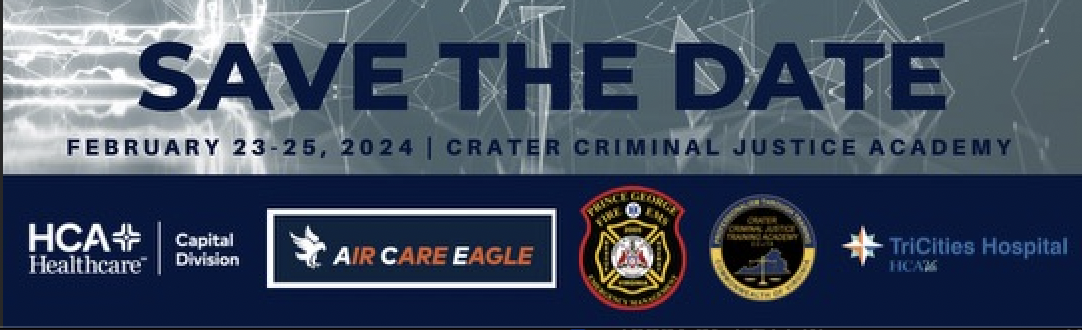
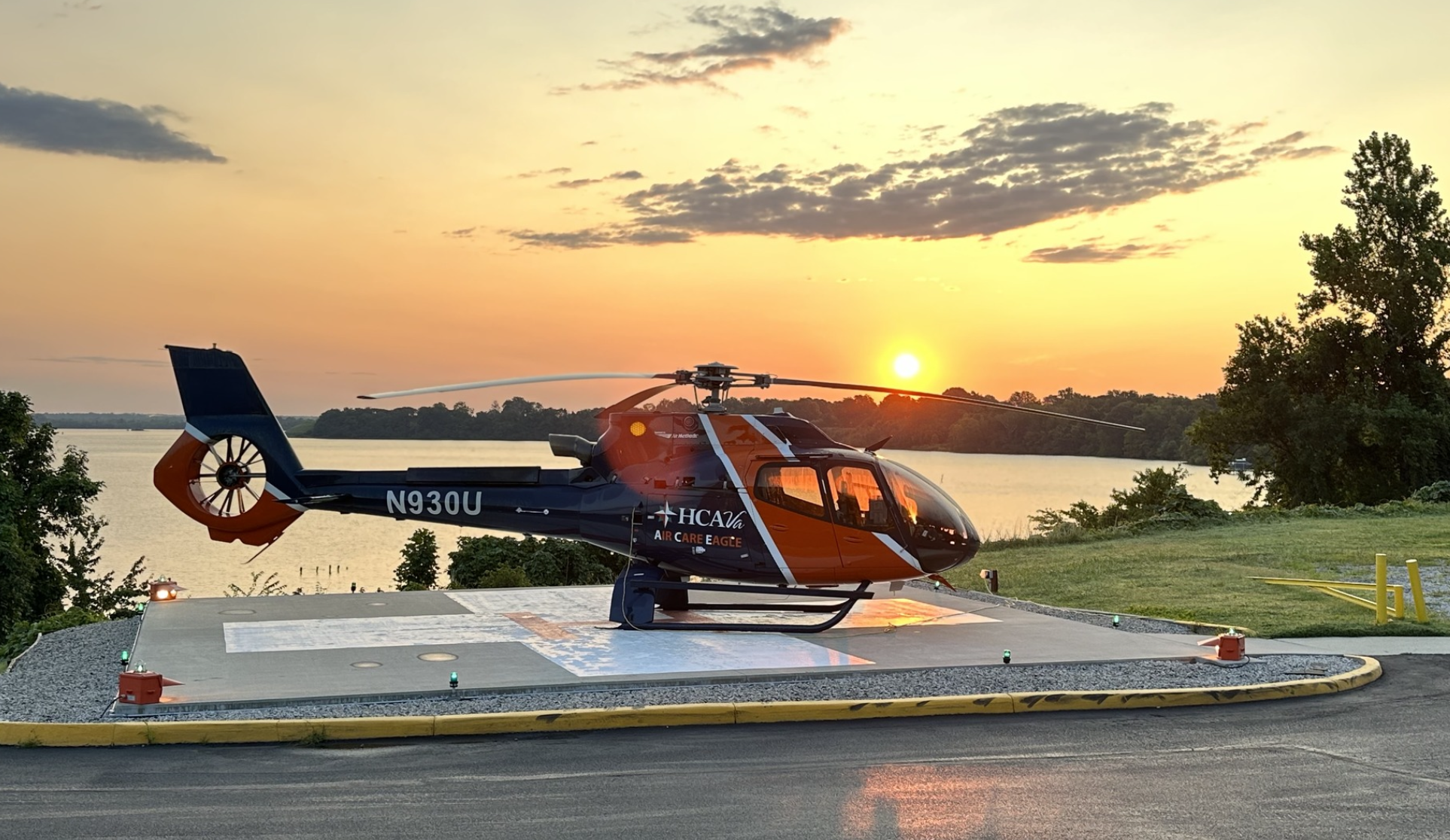
Recharge is back for 2024! Our event is hosted by Air Care Eagle with partnership from Prince George County Fire and EMS, TriCities Hospital and the Crater Criminal Justice Academy. This three-day conference includes presentations from physicians and experts about emergency medicine and prehospital patient management.
Please see the schedule tab to see what classes we have to offer and visit the registration link to enroll. This education weekend is free and meals will be provided. CE hours will be awarded to Virginia certified EMS professionals.
We hope to see you there! Please complete the registration link to stay informed about Recharge 2024.
Please see the schedule tab to see what classes we have to offer and visit the registration link to enroll. This education weekend is free and meals will be provided. CE hours will be awarded to Virginia certified EMS professionals.
We hope to see you there! Please complete the registration link to stay informed about Recharge 2024.
Location
Crater Criminal Justice Academy
6130 County Drive
Disputanta, VA 23842
6130 County Drive
Disputanta, VA 23842
Date & Time
February 23, 2024 - February 25, 2024
Please arrive to your first lecture/event about 30 minutes prior to collect your badge.
Schedule
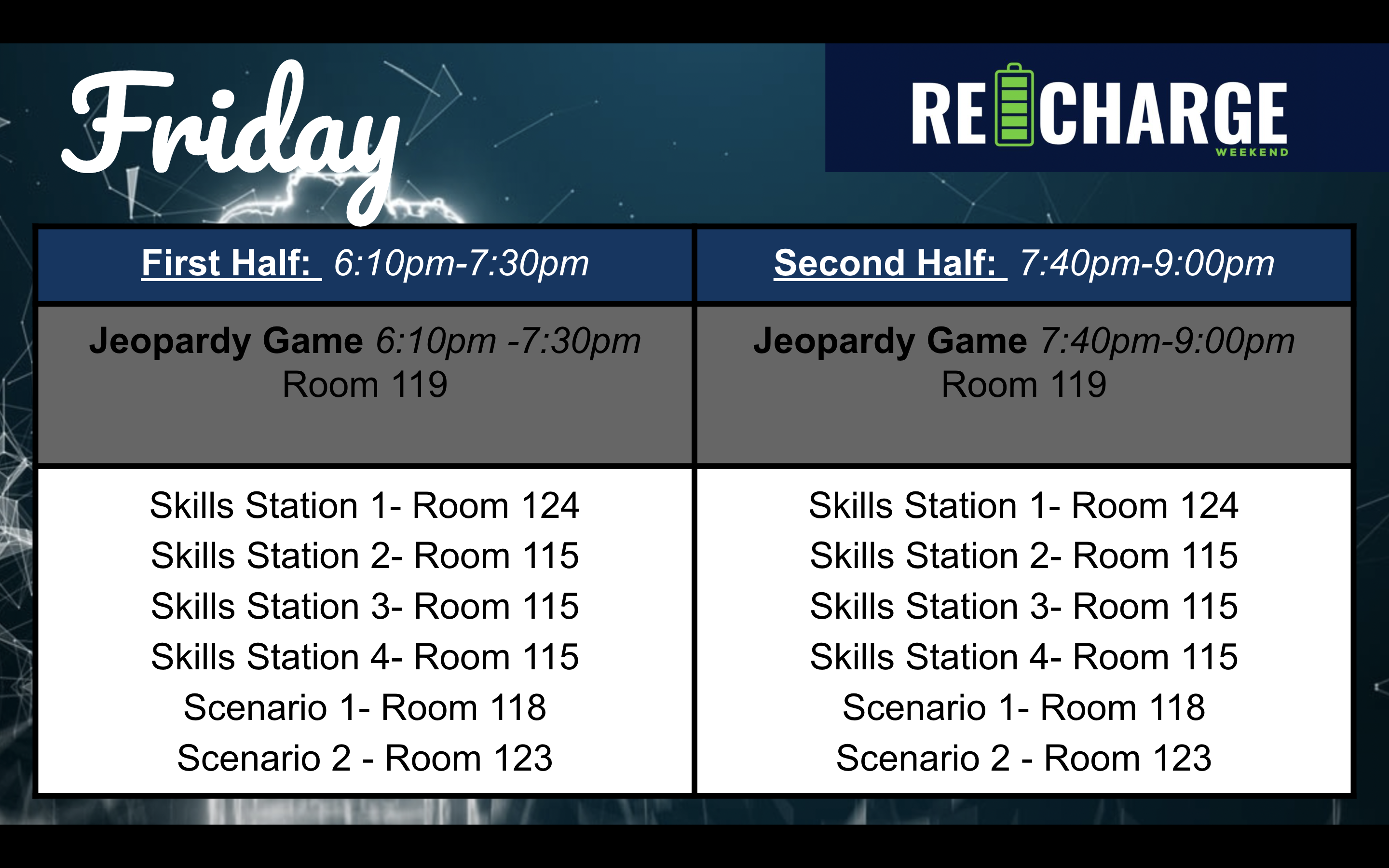
| Friday, February 23, 2024 | |||||||||||||||||||||||||||||||||||||||||
| Session #1 | 6:00p-9:00p | |||||||||||||||||||||||||||||||||||||||||
| Jeopardy Game Night and Skills: Join us for a two part event including a team based game of jeopardy covering EMS trivia with real life case examples. Part two of this event will include hands-on scenarios and practice. Register soon, this class has a limited availability. ALS Area 19, Area 17 / BLS Area 12, Area 14 Facilitator: Air Care Eagle Team | |||||||||||||||||||||||||||||||||||||||||
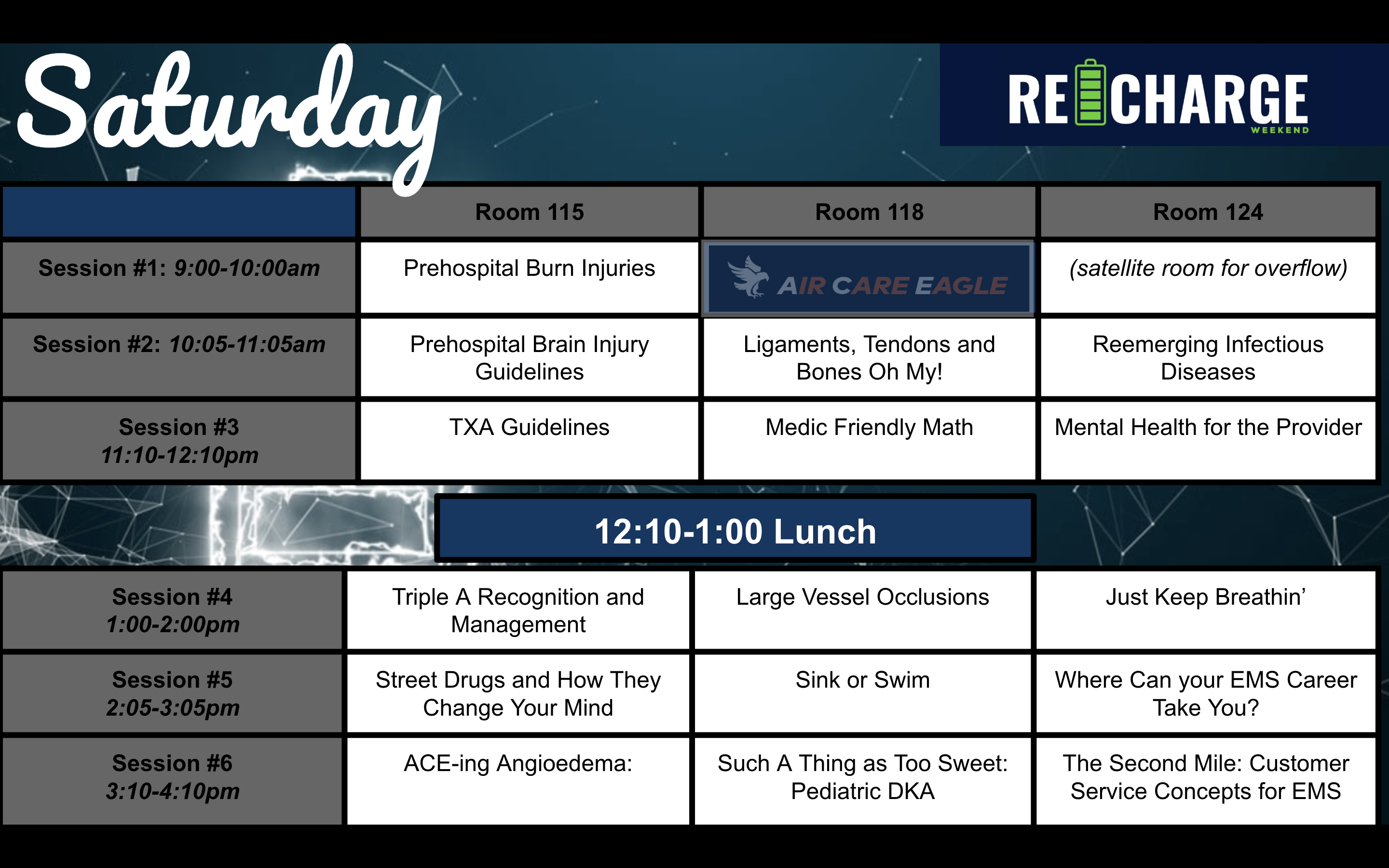
| Saturday, February 24, 2024 | |||||||||||||||||||||||||||||||||||||||||
| Session #1 | 9:00a-10:00a | |||||||||||||||||||||||||||||||||||||||||
| Prehospital Burn Management: AT CAPACITY Classes are filling up and this lecture is no longer available. | |||||||||||||||||||||||||||||||||||||||||
| Session #2a | 10:05a-11:05a | |||||||||||||||||||||||||||||||||||||||||
| Prehospital Brain Injury Guidelines: AT CAPACITY Classes are filling up and this lecture is no longer available. | |||||||||||||||||||||||||||||||||||||||||
| Session #2b | 10:05a-11:05a Ligaments, Tendons, Broken Bones Oh My! AT CAPACITY Classes are filling up and this lecture is no longer available. | |||||||||||||||||||||||||||||||||||||||||
| Session #2c | 10:05a-11:05a | |||||||||||||||||||||||||||||||||||||||||
| Reemerging Infectious Diseases: The world population 7.6 billion humans; there is an expected trajectory increase to 11.8 billion by the year 2100. Some believe we may die from an extraterrestrial level extinction event, while theirs think something much smaller and deadlier will be the human's demise. EMS managers and providers must be prepared and remain vigilant for emerging or reemerging disease outbreaks. Emergency management of infectious disease disasters becomes a multidepartment and multi-agency endeavor that encompasses the four principals of emergency management: Mitigation, preparedness, response and recovery. Join our lecture to learn how to ask the right questions, protect yourself and your patient from emerging infectious diseases. ALS Area 19/BLS Area 14 Presenters: John Wanamaker, NRP | |||||||||||||||||||||||||||||||||||||||||
|
Frequently Asked Questions
Will there be parking at the event?
Yes! There is ample parking available on site.
What do I need to bring?
Notebooks and pens will be provided on arrival. We will make a badge for you that will be scanned at the end of each course so that you receive CE's.
Is there a dress code?
We do not require you to wear your duty uniform to this event, unless otherwise specified by your agency supervisor. Friday night will involve some hands on skills station, so we recommend wearing something that allows for mobility. Saturday and Sunday will be lecture style.
What time should I arrive?
We recommend arriving between 8:30 and 8:45 so that we can get you checked in and distribute your materials for the weekend. This will also allow you time to get breakfast and a coffee before the first lecture at 9:00am.
What meals are provided?
Friday Night we will provide dinner, Saturday and Sunday will include breakfast and lunch. Light snacks, coffee and beverages will be available for each day.
Do I have to be a licensed EMS provider to attend?
Nope! All are welcome to include nurses, first responders, dispatchers and others. We are only able to provided Continuing education credits through the Virginia Office of EMS. No Nursing CE's offered at this time, but you are still welcome to attend and learn!
Do I have to be over 18 to attend?
No, we do not require that you are over 18 years of age. However, due to the nature of the courses, we request that anyone who attends be 16 years or older.
Do you offer accommodations?
The building and classrooms are accessible to all. If you require any additional accommodations, please email us at [email protected] for assistance.
Yes! There is ample parking available on site.
What do I need to bring?
Notebooks and pens will be provided on arrival. We will make a badge for you that will be scanned at the end of each course so that you receive CE's.
Is there a dress code?
We do not require you to wear your duty uniform to this event, unless otherwise specified by your agency supervisor. Friday night will involve some hands on skills station, so we recommend wearing something that allows for mobility. Saturday and Sunday will be lecture style.
What time should I arrive?
We recommend arriving between 8:30 and 8:45 so that we can get you checked in and distribute your materials for the weekend. This will also allow you time to get breakfast and a coffee before the first lecture at 9:00am.
What meals are provided?
Friday Night we will provide dinner, Saturday and Sunday will include breakfast and lunch. Light snacks, coffee and beverages will be available for each day.
Do I have to be a licensed EMS provider to attend?
Nope! All are welcome to include nurses, first responders, dispatchers and others. We are only able to provided Continuing education credits through the Virginia Office of EMS. No Nursing CE's offered at this time, but you are still welcome to attend and learn!
Do I have to be over 18 to attend?
No, we do not require that you are over 18 years of age. However, due to the nature of the courses, we request that anyone who attends be 16 years or older.
Do you offer accommodations?
The building and classrooms are accessible to all. If you require any additional accommodations, please email us at [email protected] for assistance.
Contact Us
Please reach out via the contact form if you have any questions or require additional information. We will get back to you as soon as possible.
Thank you for your interest!
Thank you for your interest!