News & Updates
Be sure to check back here between now and August 20 for news, updates, last minute additions, etc.

The Conference is Officially Approved for CMs
Posted August 7
The 2025 APA-Kentucky Annual Conference has officially been approved for continuing education credit! You will be able to go to the APA website and find it under Event #9315272.
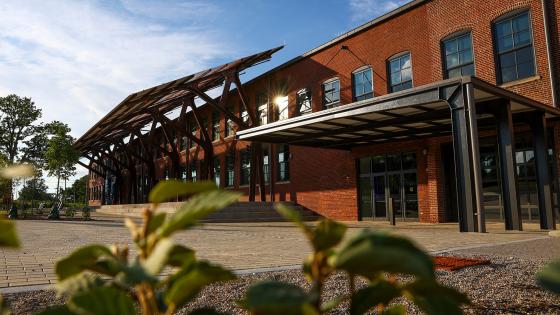
Wednesday Welcome Reception at The Gray Design Building!
Posted JuLY 21
We are happy to announce that the Wednesday Welcome Reception will be held at The Gray Design Building, home to the University of Kentucky College of Design. Completed in 2024, the transformed tobacco warehouse now contains over 100,000 square feet of classrooms, offices, and event space. Read more about it by following THIS LINK.
The event will be from 6:30 pm to 8:30 pm in Room 209. Drinks and heavy appetizers will be provided while you mingle with other conference goers.
The event will be from 6:30 pm to 8:30 pm in Room 209. Drinks and heavy appetizers will be provided while you mingle with other conference goers.
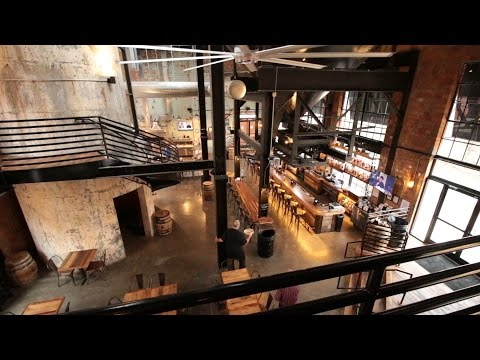
Thursday Evening Reception at Goodfellas Pizzeria in the Distillery District!
Posted JuLY 2
We are happy to announce that the Thursday Evening Conference Reception will be at the Goodfellas Pizzeria in the Distillery District (1228 Manchester Street). This location is a short drive from The Campbell House, and the event will begin at 6:30 pm. Come eat some 'za, have a drink or two, and hang out with all your professional planning pals!
Please be sure to let us know if you are gluten free so we can make accommodations. Also, the reception area is on the second floor, and there isn't an elevator, so let us know if we need to make accommodations for that as well.
Please be sure to let us know if you are gluten free so we can make accommodations. Also, the reception area is on the second floor, and there isn't an elevator, so let us know if we need to make accommodations for that as well.

Information for Paying By Check
Posted JuNE 13
Need to pay for your registrations by check...not a problem. Just email Brian Davis at [email protected] with who you are registering and what you are registering them for. Brian will confirm the total and provide instructions for mailing the check to the APA-KY Treasurer. Once we receive the check we will get you entered in the super high tech registration system.
Thanks for the Huge Response!
Posted JuNE 2
Thanks for the huge response to our call for presentations for the 2025 APA-KY Annual Conference! Our conference co-chairs will be very busy reviewing the sessions and trying to fit in as many sessions as possible. We will be reaching out to those of you that submitted sessions within the next couple of weeks, with the intention to start unveiling the full conference schedule in July, so stay tuned for more information.
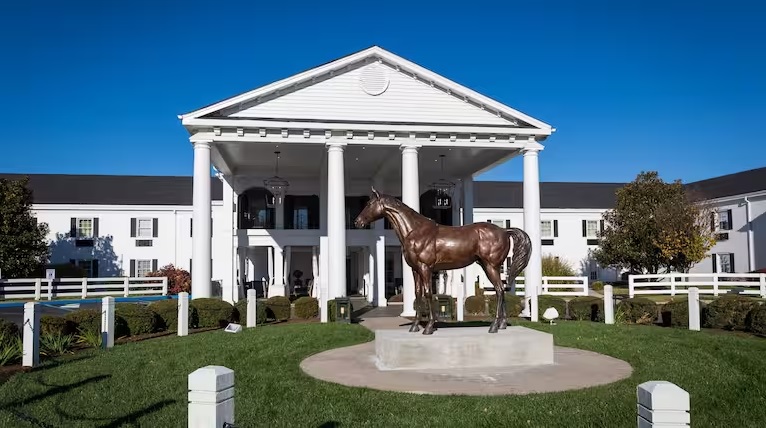
Book Your Room Now!
Posted APRIL 14
APA-KY has secured a block on rooms at The Campbell House. Please use this link to reserve your room, or mention the APA-KY Conference to get the special rate of $159 per room per night.
Pre-Conference Activity - Distillery Tour
Posted APRIL 14
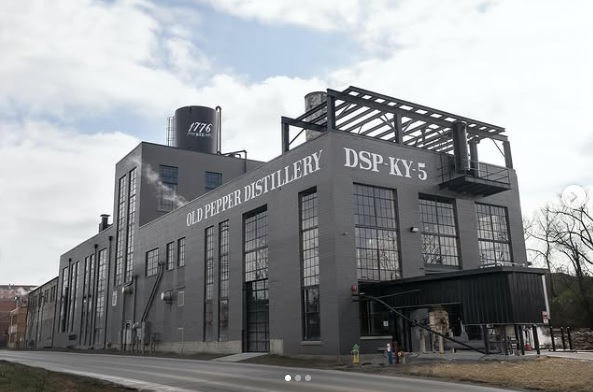
Come to the conference a little early on Wednesday, August 20 and tour one of Kentucky's oldest distilleries. We have reserved the entire 3:30 pm tour of the James E Pepper Distillery (1228 Manchester Street). Spots are limited so be sure to secure your ticket before they sell out. Cost is $26 and includes tour and tasting.
Learn more about the James E Pepper Distillery, which is on the National Register of Historic Places, by going to their website: https://jamesepepper.com.
Learn more about the James E Pepper Distillery, which is on the National Register of Historic Places, by going to their website: https://jamesepepper.com.

Pre-Conference Activity - Golf Outing
Posted APRIL 14
In what has become a tradition unlike any other, the annual APA-KY Golf Outing will take place on Wednesday, August 20 (tee times starting at 1:00 pm) at the Gary Brewer, Jr Course at Picodome. Formerly known as the Campbell House Country Club, Picadome was built in 1927 as central Kentucky's first public golf course and offers a challenging, yet convenient golf getaway. Not a golfer, neither are most of use, so come have some fun and just maybe you will be named the APA-KY Conference Golf MVP!
Cost is $45 which includes 18 holes, cart, and snacks!
Cost is $45 which includes 18 holes, cart, and snacks!
Want to learn more about APA-KY?

Go to the APA-KY website to learn more about the organization, purpose, and how you can get involved to help promote and improve planning across the Commonwealth!
Conference Location -
The Campbell House - Lexington
The Campbell House - Lexington
The recently renovated Campbell House is conveniently located near downtown, four miles from Blue Grass Airport and Keeneland Racecourse, putting the best of Lexington at your doorstep. Visit the nearby Kentucky Horse Park, University of Kentucky, or one of the many local bourbon distilleries. Start your day at Outpost Cafe with a freshly brewed specialty coffee and end your night with live music and a flight at The Rackhouse Tavern.
Sponsors
Want to be an APA-KY Sponsor and earn a free registration? Contact Shawn Dikes at [email protected] today to find out how or click on the "Conference Sponsor" option on the registration page!
Thank you so much to our conference sponsors! Be sure to click their logos to check out some of the services they provide and projects they are working on these days.








Wednesday, August 20 Schedule (All Times Eastern)
| 1:00 pm
Golf Outing @ Gary Brewer Jr. Course at Picodome
In what has become a tradition unlike any other, the annual APA-KY Golf Outing will take place on Wednesday, August 20 (tee times starting at 1:00 pm) at the Gary Brewer, Jr Course at Picodome. Formerly known as the Campbell House Country Club, Picadome was built in 1927 as central Kentucky's first public golf course and offers a challenging, yet convenient golf getaway. Not a golfer, neither are most of use, so come have some fun and just maybe you will be named the APA-KY Conference Golf MVP!
Cost is $45 which includes 18 holes, cart, and snacks!
Cost is $45 which includes 18 holes, cart, and snacks!
| 3:30 pm
Bourbon Outing @ James E Pepper Distillery (0.75 CM)
Come to the conference a little early on Wednesday, August 20 and tour one of Kentucky's oldest distilleries. We have reserved the entire 3:30 pm tour of the James E Pepper Distillery (1228 Manchester Street). Spots are limited so be sure to secure your ticket before they sell out. Cost is $26 and includes tour and tasting.
Learn more about the James E Pepper Distillery, which is on the National Register of Historic Places, by going to their website: https://jamesepepper.com.
Learn more about the James E Pepper Distillery, which is on the National Register of Historic Places, by going to their website: https://jamesepepper.com.
| 6:30 pm to 8:30 pm
Welcome Reception @ The Gray Design Building - University of Kentucky College of Design
Our welcome reception will be at The Gray Design Building, the (still fairly new) home of the University of Kentucky College of Design, located at 349 Scott Street (just down Broadway from The Campbell House). Grab a drink and enjoy some heavy hors d'oeuvres with your planning colleagues from around the Commonwealth as we prepare for a few days of networking, continuing education, and entertainment.
Thursday, August 21 Schedule (All Times Eastern)
(Card Subject to Change)
(Card Subject to Change)
| 7:45 am to 8:30 am
Breakfast, Welcome, and Annual Meeting
The Barn
Come enjoy breakfast as we start our day with the 2025 APA-KY Annual Meeting, which will be conducted by APA-KY President Melissa Evans.
| 8:30 am to 9:00 am
Session 1: Pitfalls, Perils and Benefits of Adopting a Vision Zero Plan (0.5 CM)
Ballroom A & B
Christopher Evilia, AICP - Lexington Area MPO
Mikaela Gerry, AICP - Vision Zero Coordinator, Lexington Area MPO
Mikaela Gerry, AICP - Vision Zero Coordinator, Lexington Area MPO
In response to recent increases in fatal and serious injury crashes within the Lexington Region, elected leaders within Fayette and Jessamine County have become very interested in reducing and eventually eliminating such crashes in the future. With this effort, however, staff from the Lexington Area MPO encountered several challenges when trying to adopt a vision zero policy. Some of these challenges included whether zero can be a realistic target, is a target of zero a legal liability and how much influence does a planning agency when nearly all crashes are related to the behavior of individuals. A significant part of the discussion reviews the three 'E's' regarding safety: Engineering, Education and Enforcement, identifying the appropriate stakeholders for each and the MPO's role. This presentation will also discuss the challenges encountered by MPO staff and how elected leaders navigated the questions posed by residents, stakeholder interests, the legal community and other subject matter experts when adopting a vision zero target.
| 9:00 am to 9:45 am
Session 2A: Paducah's Neighborhood Revitalization: Past, Present & Future (0.75 CM)
Ballroom A
Joshua P. Fowler-Sommer, AICP - Planner III, City of Paducah Planning Department
Palmer Stroup, - Planner II, City of Paducah Planning Department
Palmer Stroup, - Planner II, City of Paducah Planning Department
For the last 25 years, Paducah has consistently done neighborhood revitalization well. With acclaimed success in the Lowertown and Fountain Avenue Neighborhoods, the City has identified the City's Southside as the next neighborhood to focus upon. This session will describe what made Lowertown and Fountain Avenue successful and the results achieved. This session will then discuss what steps the City is currently taking to revitalize the Southside, which has been built upon the success of Lowertown and Fountain Avenue. The Southside consists of eight different neighborhoods with eight different zones. So, the challenges are greater, especially when the Southside contains over 3,500 parcels! We will discuss tools used in each neighborhood, as well as proposed tools for the Southside. The Southside is approximately 1/3 of the entire City of Paducah, so this is an enormous undertaking for the Planning Department.
Session 2B: Engaging the Community in the Modern Digital Landscape (0.75 CM)
Ballroom B
SB Stroh - Digital Content Administrator, LFUCG
Haley Wartell - Communication Manager, CivicLex
Adrian Paul Bryant - Civic Information Specialist, CivicLex
Jennifer Myatt - Environmental Initiatives Specialist, LiveGreenLex
Halsten Higgins - Information Officer, Lexington Division of Environmental Services
Haley Wartell - Communication Manager, CivicLex
Adrian Paul Bryant - Civic Information Specialist, CivicLex
Jennifer Myatt - Environmental Initiatives Specialist, LiveGreenLex
Halsten Higgins - Information Officer, Lexington Division of Environmental Services
This panel explores the role of digital media and online platforms in the field of urban planning. With the average person spending nearly three hours a day on their phone, how can planners effectively engage communities through these platforms? We will discuss a range of digital engagement tools (including social media, newsletters, and websites) and how planners can leverage them to share project information or simply create fun, accessible ways to involve the public.
| 9:50 am to 10:35 am
Session 3A: University of Louisville Student Project #1 - Eco-Corridor Downtown: Urban Heat Management Through Sustainable Design (0.75 CM)
Ballroom A
Morgan Early, Gabriel Goodpaster, Cherokee Henrie, Matthew Houlette, Anna Marcum, Jenna Peterson, Nico Phillips, Bethany Schegane, and Mira Sullivan
Students from the University of Louisville's MUP program will present information about one of their ongoing projects. Louisville is experiencing one of the fastest-growing urban heat islands (UHI) in the United States. This effect is especially pronounced downtown, where limited green space and a high concentration of impermeable surfaces contribute to rising temperatures. Students in the University of Louisville's Urban Design class will propose interventions to cool the city by designing an eco-corridor that not only mitigates summer heat but also serves as a distinctive cultural and civic space.
Session 3B: Planning for the Flood: Incorporating Floodplain Management into Your Planning Decisions (0.75 CM)
Ballroom B
Alex VanPelt - Kentucky NFIP Coordinator, Kentucky Division of Water
Flooding is Kentucky's #1 most frequent, and costly, natural disaster. In this session, attendees will be shown how floodplain management is conducted in Kentucky, how floodplain management activities can be incorporated into the planning decision making process, what tools are available for use, and more.
| 10:45 am to 11:30 am
Session 4A: Two Wrongs Can Make a Right: Exploring the Relationship between Traffic Engineering and Transportation Planning (0.75 CM)
Ballroom A
Hannah Crepps, AICP - Principal Planner, LFUCG Division of Planning
Stuart Kearns, AICP - Principal Planner, LFUCG Division of Planning
Joseph Edmiston, PE - Traffic Engineer, LFUCG
Stuart Kearns, AICP - Principal Planner, LFUCG Division of Planning
Joseph Edmiston, PE - Traffic Engineer, LFUCG
In this session you will hear how local planners and traffic engineers are forging a new kind of relationship to help build safer, more community-oriented streets. This session will include a moderated discussion about the impacts of 20th century decision-making on our current transportation system, and a room-wide dialogue about what it will take to bridge the space between land-use and transportation in the coming decades.
This session is inspired in part by “Killed by a Traffic Engineer,” and also the concepts of Complete Streets and Vision Zero that are continuing to draw public and political interest. Planning and Traffic Engineering each have a crucial role to play in the well-being of our communities. And today's practitioners have a legacy of past priorities to contend with. Three Lexington-Fayette Urban County Government colleagues are taking part in an effort to meet this present challenge - we invite you to join us!
This session is inspired in part by “Killed by a Traffic Engineer,” and also the concepts of Complete Streets and Vision Zero that are continuing to draw public and political interest. Planning and Traffic Engineering each have a crucial role to play in the well-being of our communities. And today's practitioners have a legacy of past priorities to contend with. Three Lexington-Fayette Urban County Government colleagues are taking part in an effort to meet this present challenge - we invite you to join us!
Session 4B: Finding Middle Housing: Lessons and Collaboration from Coast to Coast (0.75 CM)
Ballroom B
Tara Sorrels, AICP - Associate Planner, Cascadia Partners
Joel Dock, AICP - Planning Manager, Louisville Metro Office of Planning
Hal Baillie, AICP - Manager of Long Range Planning, LFUCG Division of Planning
Tom West, AICP - Economic Development Director, City of Covington
Joel Dock, AICP - Planning Manager, Louisville Metro Office of Planning
Hal Baillie, AICP - Manager of Long Range Planning, LFUCG Division of Planning
Tom West, AICP - Economic Development Director, City of Covington
How are Kentucky cities tackling middle housing zoning reform? What lessons can Louisville, Lexington, and Covington offer to cities beginning their own middle housing journeys? How can communities continue to advance diverse housing options for residents? This session will explore these questions while also drawing inspiration from Portland, Oregon—a city often considered a national leader in middle housing success.
Just a few years after implementing landmark zoning reforms through the Residential Infill Project, Portland has experienced a significant increase in middle housing production, with many new units priced below the cost of new single-family homes. However, this success was far from guaranteed, as the reform process faced numerous challenges and moments of uncertainty.
Join this session to hear from Kentucky planners and a consultant with unique insights, living in Kentucky while working for a Portland-based firm, about the strategies, hurdles, and opportunities involved in middle housing reform. Attendees will gain insights into how diverse approaches—both in Kentucky and Portland—can create pathways for greater housing affordability and choice.
Just a few years after implementing landmark zoning reforms through the Residential Infill Project, Portland has experienced a significant increase in middle housing production, with many new units priced below the cost of new single-family homes. However, this success was far from guaranteed, as the reform process faced numerous challenges and moments of uncertainty.
Join this session to hear from Kentucky planners and a consultant with unique insights, living in Kentucky while working for a Portland-based firm, about the strategies, hurdles, and opportunities involved in middle housing reform. Attendees will gain insights into how diverse approaches—both in Kentucky and Portland—can create pathways for greater housing affordability and choice.
| 11:30 am to 1:15 pm
Lunch On Your Own
Enjoy lunch on your own, but not by yourself. Connect with fellow planners at the hotel restaurant (The Rackhouse Tavern) or drive, walk, bike, Uber, or take public transit to a nearby restaurant.
| 1:15 pm to 2:15 pm
Session 5A: 2025 Kentucky General Assembly Review...and Beyond (1.0 CM) LAW
Ballroom A
JD Chaney - Executive Director, Kentucky League of Cities
Gracie Kelly - Director of Government Affairs, Kentucky League of Cities
Hal Baillie, AICP - Manager of Long Range Planning, LFUCG Division of Planning
Shawn Dade, AICP - Owner/Principal, Dade Enterprises
Gracie Kelly - Director of Government Affairs, Kentucky League of Cities
Hal Baillie, AICP - Manager of Long Range Planning, LFUCG Division of Planning
Shawn Dade, AICP - Owner/Principal, Dade Enterprises
Join representatives from the Kentucky League of Cities and the APA-KY Legislative Committee in reviewing the planning-related happenings from the 2025 Kentucky Legislative Session, what are some of trends that are happening in other states, and what kind of bills can we expect to be filed in 2026 and beyond.
Session 5B: Where Do We Plant Trees In Our Cities? (1.0 CM)
Ballroom B
Jonathan E. Perkins - Professional Landscape Architect, ISA Certified Arborist, Tree Risk Assessment Qualification, BFW Marcum
This presentation focuses on an ISA certified arborist and landscape architect's recommendations for best the locations to plant or permit trees to be planted in our cities/towns including roadway rights-of-way and in new developments. In the midst of increasing desire for more trees and tree canopy, we will observe good locations, failures of bad locations, and how to plan for future trees as "infrastructure" in our communities.
| 2:20 pm to 3:05 pm
Session 6A: Celebrating Lexington’s Environmental Milestones (0.75 CM)
Ballroom A
Eve Miller - Senion Planner, LFUCG Division of Planning
Nathan Skinner - City Arborist, Urban Forestry, Lexington Division of Environmental Services
Eric Sutherland - City Arborist, Urban Forestry, Lexington Division of Environmental Services
Nathan Skinner - City Arborist, Urban Forestry, Lexington Division of Environmental Services
Eric Sutherland - City Arborist, Urban Forestry, Lexington Division of Environmental Services
Join us for an insightful panel discussion with Lexington Planning and Urban Forestry staff as we reflect on two of the city's most recent successful environmental initiatives: Reforest the Bluegrass event and the Landscaping and Tree Protection Ordinance. Reforest the Bluegrass is Lexington’s annual tree-planting event, which celebrated its 25th anniversary in 2024. Over the years, the program has mobilized more than 18,000 volunteers to plant over 215,000 tree seedlings across more than 200 acres of floodplain, significantly enhancing local ecosystems and water quality. In September 2024, Lexington adopted a transformative zoning ordinance text amendment aimed at enhancing urban resilience by improving tree protection and sustainable landscaping practices. This presentation delves into the comprehensive updates made to Articles 5, 18, and 26 of Lexington’s Zoning Ordinance, emphasizing the preservation of ecosystems, mitigation of the urban heat island effect, and the incorporation of native landscaping in new developments.
Session 6B: Gender Equity, Safety and Belonging in Design (0.75 CM) EQUITY
Ballroom B
Gretchen Hunt, JD - Director, Mayor's Office for Women, Louisville Metro Government
Shanice Nelson - Community Health Supervisor, Louisville Metro Public Health & Wellness & Ambassador, Office For Women
Brian Davis, AICP - Director, Louisville Metro Office of Planning
Shanice Nelson - Community Health Supervisor, Louisville Metro Public Health & Wellness & Ambassador, Office For Women
Brian Davis, AICP - Director, Louisville Metro Office of Planning
This workshop will provide a basic framework of integrating gender equity in planning and design so that women, girls and all individuals can move about the city freely. Louisville has recently been invited to join the City Hub and Network for Gender Equity (CHANGE, citieschange.org), a coalition of 17 international cities focused on gender equity and was part of an innovative design project with Publica (London-based design and research practice) to explore how participatory design can make cities safer for women . Using examples from other CHANGE cities and lessons learned in Louisville, we will explore ways in which planning decisions can increase a sense of safety, usability and belonging for women and girls and improve health and well being for all.
| 3:15 pm to 4:00 pm
Session 7A: Planning & Designing for People: Integrating Place, Development, and Transportation to Create Vibrant Communities (0.75 CM)
Ballroom A
Amy Williams, AICP - Taylor Siefker Williams Design Group
Matt Meunier, AICP, PLS - Director of Community & Economic Development, City of Jeffersontown
Matt Meunier, AICP, PLS - Director of Community & Economic Development, City of Jeffersontown
A successful community must proactively plan for land use, transportation, and future development within a site or even a targeted area. In 2024 KYTC launched the Creating Vibrant Communities (CVC) program with the goal to create a strong vision for the future of a site or small area and then empower the community to take the reigns to make it a reality! Through the program, three communities (Elizabethtown, Jeffersontown, and Morehead) created an actionable plan that outlined the vision, conceptual development plan, and next steps necessary to create a transformative and unique destination for the community. These plans will serve as a roadmap to actively attract and convey the community’s vision to potential development partners.
Session 7B: Lexington's Urban Service Boundary – Walking the Line Between Needing Housing and Protecting the Bluegrass (0.75 CM)
Ballroom B
Samantha Castro, AICP, LEED-ND - Lexington Office Lead, TSW Tunnell Spangler Walsh & Associates
Dan Wu, Vice-Mayor - LFUCG
Chris Taylor, Deputy Director - LFUCG Division of Planning
Hal Baillie, AICP - Manager of Long Range Planning, LFUCG Division of Planning
Dan Wu, Vice-Mayor - LFUCG
Chris Taylor, Deputy Director - LFUCG Division of Planning
Hal Baillie, AICP - Manager of Long Range Planning, LFUCG Division of Planning
The future of Lexington hinges on balancing urban growth with rural preservation. The country’s first Urban Service Area was established in 1958, helping shape Lexington's vibrant community. In 2023, Lexington's Planning Commission recommended a 2,800-acre expansion across Fayette County, following the decision to expand by the Urban County Council. TSW | Tunnell Spangler Walsh & Associates was tasked with developing a master plan for this expansion, covering land use, infrastructure, and green spaces, along with a funding strategy and regulatory approach.
| 4:05 pm to 5:05 pm
Session 8A: Beyond Zoning: Acknowledge the Larger Regulatory Pot When Tackling the Housing Crisis (1.0 CM) EQUITY
Ballroom A
Deana Swetlik, AICP - Entelechy
A focus on zoning reform, namely concerning housing, has been in the limelight for over a decade. However, other ingredients in the regulatory pot have been sorely missing in the conversation. Decades old subdivision and other jurisdictional development regulations, utility and emergency service prototypical templates, and building and fire codes need attention.
Now we need to add in the “soft ingredients,” or seasonings. Appointed and Elected officials that don’t understand the development process and can have their own agendas. And then of course the public. As we know, some of these seasonings can become quite “spicy” during the development process.
And then there are the cooks directing how the ingredients are going together. This primarily involves the homebuilding industry in the U.S. What is on the menu is based on outdated preferences and needs. It also includes staff who often review applications through a narrow, often binary lens and as handcuffed to jurisdictional procedures. And let us not forget about underwriting and hard costs of both horizontal and vertical development.
Without having the right ingredients appropriately calibrated, getting to efficient, timely, and place-worthy development will continue to be a challenge. Let’s bring out the pot and add all ingredients. Let’s pull back the veil on what is happening in the kitchen.
If we are to provide 3.5-5 million homes needed in the U.S., we must talk about all the ingredients.
Join for an overview of the larger regulatory pot, including quick case study examples (many from the Midwest/South), and then be prepared to discuss what you are experiencing in your backyard. This is meant for those representing all aspects of development to hear, share and learn about the larger regulatory pot. The more we understand and hear from different perspectives, the better we can address the issues.
Now we need to add in the “soft ingredients,” or seasonings. Appointed and Elected officials that don’t understand the development process and can have their own agendas. And then of course the public. As we know, some of these seasonings can become quite “spicy” during the development process.
And then there are the cooks directing how the ingredients are going together. This primarily involves the homebuilding industry in the U.S. What is on the menu is based on outdated preferences and needs. It also includes staff who often review applications through a narrow, often binary lens and as handcuffed to jurisdictional procedures. And let us not forget about underwriting and hard costs of both horizontal and vertical development.
Without having the right ingredients appropriately calibrated, getting to efficient, timely, and place-worthy development will continue to be a challenge. Let’s bring out the pot and add all ingredients. Let’s pull back the veil on what is happening in the kitchen.
If we are to provide 3.5-5 million homes needed in the U.S., we must talk about all the ingredients.
Join for an overview of the larger regulatory pot, including quick case study examples (many from the Midwest/South), and then be prepared to discuss what you are experiencing in your backyard. This is meant for those representing all aspects of development to hear, share and learn about the larger regulatory pot. The more we understand and hear from different perspectives, the better we can address the issues.
Session 8B: Strategies for Enhancing Walkability in Suburban Environments (1.0 CM) SUSTAINABILITY & RESILIENCE
Ballroom B
Michael Huston, AICP - Principal, Civic Plan Studio
When we think of walkable, bikeable and transit-friendly environments, we usually think of higher density urban centers. The familiar refrain is “we need more density to be more walkable”. It’s true that density supports walkability, however, Huston will show that even low-density suburban developments can, and should, be planned with the pedestrian, bicyclist and transit rider in mind.
This session will focus on planning tools and strategies that can be used in conventional suburban environments that comprise most of the new residential and commercial development in Kentucky. Drawing from examples as far away as Denmark, and as close as our own towns and cities in Kentucky, Huston will discuss how simple attention to these objectives, and utilizing the right mobility tools, can result in more livable, healthy and sustainable communities.
These strategies include recognizing the difference between pedestrian priority and bicycle priority mobility solutions, the new urbanists “secret weapons” for enhanced walkability, separation of mobility modes when appropriate, and planning for a kid-friendly neighborhood by providing safe connections to schools and parks.
This session will focus on planning tools and strategies that can be used in conventional suburban environments that comprise most of the new residential and commercial development in Kentucky. Drawing from examples as far away as Denmark, and as close as our own towns and cities in Kentucky, Huston will discuss how simple attention to these objectives, and utilizing the right mobility tools, can result in more livable, healthy and sustainable communities.
These strategies include recognizing the difference between pedestrian priority and bicycle priority mobility solutions, the new urbanists “secret weapons” for enhanced walkability, separation of mobility modes when appropriate, and planning for a kid-friendly neighborhood by providing safe connections to schools and parks.
| 6:30 pm to 8:30 pm
APA-KY Conference Reception @ Goodfellas Pizzeria in the Distillery District
The Thursday Evening Conference Reception will be at the Goodfellas Pizzeria in the Distillery District (1228 Manchester Street). This location is a short drive from The Campbell House, and the event will begin at 6:30 pm. Come eat some 'za, have a drink or two, and hang out with all your professional planning pals! After the reception "officially" ends, feel free to hang around Goodfellas, visit one of the other establishments in the Distillery District, or retire back to The Campbell House.
Please be sure to let us know if you are gluten free so we can make accommodations. Also, the reception area is on the second floor, and there isn't an elevator, so let us know if we need to make accommodations for that as well.
Please be sure to let us know if you are gluten free so we can make accommodations. Also, the reception area is on the second floor, and there isn't an elevator, so let us know if we need to make accommodations for that as well.
Friday, August 22 Schedule (All Times Eastern)
(Card Subject to Change)
(Card Subject to Change)
| 7:45 am to 8:15 am
Breakfast
The Barn
Come grab some breakfast before the day's sessions.
| 8:15 am to 9:00 am
Session 9A: Getting the (Zoning) Balance Right (0.75 CM)
Ballroom A
Andre Myers, AICP - Associate, TSW Tunnell Spangler Walsh
Zoning sets the framework for investment into our built environment. Sometimes, communities can struggle under the weight of land development laws that were written a long time ago, often forcing property owners and administrators to navigate a patchwork of band-aid fixes that do little to support a community's vision for itself. In this session, TSW | Tunnel Spangler Walsh & Associates will share best practices for developing zoning frameworks that are sensibly flexible, organized to be easily maintained, tailored to your community's vision, and supportive of existing investments' adaptive reuse.
Session 9B: Planning a Week Without Driving Challenge in Kentucky (0.75 CM)
Ballroom B
Quinn Mulholland - Senior Planner, LFUCG Division of Planning
Halsten Higgins - Information Officer, Lexington Division of Environmental Services
Halsten Higgins - Information Officer, Lexington Division of Environmental Services
Nearly one-third of Kentucky residents lack regular access to a car due to age, ability, income, immigration status, or other factors. The Week Without Driving is a nationwide challenge organized by America Walks every September and October to encourage those who drive regularly to consider the barriers and challenges that non-drivers face on a daily basis and encourage people to try different modes of transportation during the week. In this session, we will share lessons learned from organizing local Week Without Driving challenges in Lexington in 2024 and 2025, and how to organize a challenge in your community.
| 9:05 am to 10:05 am
Session 10A: APA Ethics Cases of the Year (1.0 CM) ETHICS
Ballroom A
Steve Sizemore, AICP, Ph.D. - Planner, Kendig Keast Collaborative
This year's "Cases of the Year" is a series of four ethical scenarios modeled on real-life planning issues. These scenarios were based on either inquiries or complaints filed with the Ethics Officer during 2024. Identifying factors, such as names and location, have been changed so the focus can be on the educational aspect of each scenario. This "Cases of the Year" presentation was created by the AICP Ethics Committee with assistance from Ralph Willmer, AICP Ethics Officer.
The four scenarios are: Ex Parte Communications; He Said/She Said/They Said; Private Sector Consultant Conflict of Interest; and Abuse of Power.
The four scenarios are: Ex Parte Communications; He Said/She Said/They Said; Private Sector Consultant Conflict of Interest; and Abuse of Power.
Session 10B: Tree Trails: Integrating Nature, Health and Community in a Higher Ground Neighborhood (1.0 CM) SUSTAINABILITY & RESILIENCE
Ballroom B
Lynn Roche Phillips, AICP, Ph.D. - Associate Professor of Geography and Co-director of the Urban Forest Initiative at the University of Kentucky
This session will discuss examples of new tree trails established in communities seeking to increase citizen wellness and foster greater sustainability.
| 10:30 am to 12:05 pm
MOBILE SESSION: Placemaking in Motion: A Walking Tour of Lexington’s Town Branch Commons Trail (1.5 CM)
Meet at Gatton Park (131 Tucker Street)
Eve Miller - Senior Planner, LFUCG Division of Planning
Kathy Plomin - Former Lexington 12th District Councilmember
Jennifer Mossotti - Former Lexington 10th District Councilmember
Allison Peck Lankford - Chief Executive Officer, Gatton Park and Conservancy
Kathy Plomin - Former Lexington 12th District Councilmember
Jennifer Mossotti - Former Lexington 10th District Councilmember
Allison Peck Lankford - Chief Executive Officer, Gatton Park and Conservancy
This mobile workshop invites participants to explore the Town Branch Commons Trail in Lexington. The tour will highlight how placemaking, public art, and development have converged, creating a vibrant, inclusive, and engaging public space in downtown Lexington. Participants will walk approximately 1.5 miles along the Town Branch Commons Trail, stopping at three key nodes:
Gatton Park on the Town Branch
• Gatton Park on the Town Branch, located in downtown Lexington is a new park being developed. Scheduled to open in late summer 2025 it is a 10-acre green space being created on the site of a former parking lot behind Rupp Arena. The park will feature trails, an amphitheater, a dog park, and children's play areas. The project is privately funded by the community, with significant support from the Bill Gatton Foundation and the Blue Grass Community Foundation.
The “Stand” Sculpture by Barbara Grygutis
• This monumental artwork commemorates the women suffragists who fought for the passing of the 19th Amendment, giving women the right to vote. The artwork serves as one of the first public sculptures to honor women in the United States (?). The 5, 20 ft. silhouetted sculptures are a reminder of the historical significance of the suffrage movement, as well as the continuing fight for women’s rights, representation, and equality.
Vine Club Development Site
• A look at a major development project converting previous professional office space into residencies and a member-only club that interfaces directly with the Town Branch Commons Trail.
Duration: 90 minutes
Walking Distance: ~1.5 miles
Accessibility: The tour route is ADA-compliant and features seating and shade at intervals.
Weather Contingency: weather dependent; participants encouraged to dress appropriately.
Gatton Park on the Town Branch
• Gatton Park on the Town Branch, located in downtown Lexington is a new park being developed. Scheduled to open in late summer 2025 it is a 10-acre green space being created on the site of a former parking lot behind Rupp Arena. The park will feature trails, an amphitheater, a dog park, and children's play areas. The project is privately funded by the community, with significant support from the Bill Gatton Foundation and the Blue Grass Community Foundation.
The “Stand” Sculpture by Barbara Grygutis
• This monumental artwork commemorates the women suffragists who fought for the passing of the 19th Amendment, giving women the right to vote. The artwork serves as one of the first public sculptures to honor women in the United States (?). The 5, 20 ft. silhouetted sculptures are a reminder of the historical significance of the suffrage movement, as well as the continuing fight for women’s rights, representation, and equality.
Vine Club Development Site
• A look at a major development project converting previous professional office space into residencies and a member-only club that interfaces directly with the Town Branch Commons Trail.
Duration: 90 minutes
Walking Distance: ~1.5 miles
Accessibility: The tour route is ADA-compliant and features seating and shade at intervals.
Weather Contingency: weather dependent; participants encouraged to dress appropriately.
| 10:15 am to 11:00 am
Session 11A: University of Louisville Student Project #2 - Building Better Neighborhoods: Case Studies from the Louisville Downtown and the Joseph & Meriwether-Fort Hill Neighborhoods (0.75 CM)
Ballroom A
TBD Morgan Early, Gabriel Goodpaster, Cherokee Henrie, Anna Marcum, Nico Phillips, Bethany Schagane, and Franklin Walden
Students from the Capstone and Neighborhood Planning Studio classes at the University of Louisville explored the principles of walkable, livable, and inclusive neighborhoods. Their work focused on two areas in Louisville: Downtown and the Joseph & Meriwether-Fort Hill neighborhoods. Through fieldwork and engagement with local stakeholders, the students developed recommendations aimed at fostering more connected, vibrant, and resilient communities.
Session 11B: River Fields: Protecting the River, Its Lands, and Those Who Depend Upon Them (0.75 CM)
Ballroom B
Kristin Faurest, Ph.D. - Executive Director, River Fields, Inc.
River Fields has a 66-year history of protecting land and water along the Ohio River Corridor. We employ a blend of preservation, conservation, advocacy, and education to protect and celebrate the Ohio River and the magnificent cultural and natural resources that belong to us all. This session will touch on the history of our work but also focus on the role our organization plays in shaping the urban and natural landscape of our community while also fostering the next generation of advocates and stewards.
| 11:05 am to 12:05 pm
Session 12A: Busting the Myths: Reframing Diversity, Equity, & Inclusion for Sustainable Impact (1.0 CM) EQUITY
Ballroom A
Samantha Castro, AICP, LEED-ND - Lexington Office Lead, TSW | Tunnell Spangler Walsh & Associates
Joshua P. Fowler-Sommer, AICP - Senior Planner, City of Paducah Planning Department
Ryan Holmes, AICP - Principal and Planner, EHI Consultants
Kareem A. Simpson - Director of the Fatherhood Program at Northern Kentucky CAC
Sumei Zhang, AICP, Ph.D. - Director, University of Louisville Master of Urban Planning Program
Joshua P. Fowler-Sommer, AICP - Senior Planner, City of Paducah Planning Department
Ryan Holmes, AICP - Principal and Planner, EHI Consultants
Kareem A. Simpson - Director of the Fatherhood Program at Northern Kentucky CAC
Sumei Zhang, AICP, Ph.D. - Director, University of Louisville Master of Urban Planning Program
In recent months, Diversity, Equity, and Inclusion (DEI) efforts have come under increasing scrutiny, facing misconceptions that threaten their legitimacy, effectiveness, and staying power. This session will challenge the most pervasive myths about DEI such as the notion that it lowers standards, creates division, or only benefits marginalized groups. Members of the APA-KY DEI Committee will highlight ways to replace these myths with data-driven insights, historical context, and real-world examples of the organizational and societal value of DEI. Participants will leave equipped not only to debunk harmful narratives but also to navigate the complexities of DEI work in a polarized climate. The session will provide practical strategies for embedding DEI into policies, practices, and culture in ways that are sustainable, authentic, and aligned with an organization’s mission and values.
Session 12B: Transforming the Commercial Corridor: Strategies and Lessons Learned (1.0 CM) SUSTAINABILITY & RESILIENCE
Ballroom B
Michael Huston, AICP - Principal, Civic Plan Studio
Jeff Moore, AICP - Transportation Planner, Michael Baker International
Jeff Moore, AICP - Transportation Planner, Michael Baker International
In small towns and large cities in Kentucky, commercial corridors that have operated as both a major thoroughfare and an economic engine for the community are in transition. Seeming to emergewithout much forethought, these roadways expanded over time leading to challenges in terms of safety, land-use conflicts, sustainability and long-term resiliancy. This session will explore ways to transform these corridors by addressing the two distinct components that create the corridor environment – the street right-of-way (the public realm) and the adjacent land use (the private realm).
Planner and architect Michael Huston will address the land use and zoning side of the discussion. As many cities turn to form-based codes to nudge development toward a more urban and walkable form, Huston will highlight both the potential and limitations of this land use tool to shape the corridor environment. Several case studies will be presented to illustrate these points. Huston will show the importance of calibrating form-based codes to the context of the right-of-way as well and market realities which frequently don’t deliver on the vision.
Transportation Planner Jeff Moore will focus on the opportunities and constraints that come with working within the framework of transportation functionality and limitations. These limitations can be based upon the physical form of the street and its right-of-way, the nature of the traffic along the corridor, and regulations administered by the governing jurisdiction.
Both Huston and Moore will present “lessons learned” from their experience in corridor form-based codes and multimodal transportation planning from around the country.
Planner and architect Michael Huston will address the land use and zoning side of the discussion. As many cities turn to form-based codes to nudge development toward a more urban and walkable form, Huston will highlight both the potential and limitations of this land use tool to shape the corridor environment. Several case studies will be presented to illustrate these points. Huston will show the importance of calibrating form-based codes to the context of the right-of-way as well and market realities which frequently don’t deliver on the vision.
Transportation Planner Jeff Moore will focus on the opportunities and constraints that come with working within the framework of transportation functionality and limitations. These limitations can be based upon the physical form of the street and its right-of-way, the nature of the traffic along the corridor, and regulations administered by the governing jurisdiction.
Both Huston and Moore will present “lessons learned” from their experience in corridor form-based codes and multimodal transportation planning from around the country.
| 12:15 pm to 1:45 pm
Lunch and Concurrent Sessions
For the final session of the conference, we will have two back-to-back sessions while eating lunch. So grab lunch, learn while eating....grab dessert, and learn while eating that!
Ballroom A & B
Session 13: The Year We (Almost) Did it All (0.75 CM)
Holden A. Fleming, AICP - Director, Georgetown-Scott County Planning Commission
Elise Ketz, AICP - Senior Planner, Georgetown-Scott County Planning Commission
Mark Carper - Senior Planner, Georgetown-Scott County Planning Commission
Rhett Shirley - Planner, Georgetown-Scott County Planning Commission
Elise Ketz, AICP - Senior Planner, Georgetown-Scott County Planning Commission
Mark Carper - Senior Planner, Georgetown-Scott County Planning Commission
Rhett Shirley - Planner, Georgetown-Scott County Planning Commission
Coming off the heels of a major comprehensive plan overhaul, a rag-tag group of passionate planners embarked on a singular goal... To do everything possible to earn their community's trust.
Centered on the concept of robust and proactive public outreach, the Georgetown-Scott County Planning Commission Staff began a series of public outreach events. Each event, always hosted at or in community spaces, was focused on a different topic, identified by the community, as an area in need of attention. From local agriculture to historic preservation and housing to school walkability, each meeting was held with the intent of affecting real change in how our community would address these important topics, through planning, moving forward.
This session aims to demonstrate those actions that worked, those that didn't, and the lessons learned all along the way.
Centered on the concept of robust and proactive public outreach, the Georgetown-Scott County Planning Commission Staff began a series of public outreach events. Each event, always hosted at or in community spaces, was focused on a different topic, identified by the community, as an area in need of attention. From local agriculture to historic preservation and housing to school walkability, each meeting was held with the intent of affecting real change in how our community would address these important topics, through planning, moving forward.
This session aims to demonstrate those actions that worked, those that didn't, and the lessons learned all along the way.
Session 14: Aligning Efforts: Collaborative Partnerships from Plan Through Implementation (0.75 CM)
Sadie Middleton, AICP Candidate - Urban Designer, LRK
Rachel Helton, RA, NCARB, - Associate, LRK
Lauren Cino - Executive Vice President of Community Impact at United Way of West Tennessee
Rachel Helton, RA, NCARB, - Associate, LRK
Lauren Cino - Executive Vice President of Community Impact at United Way of West Tennessee
Sometimes change is long-overdue. Sometimes communities change overnight. Regardless of the pace, successful partnerships are the key to bringing a community’s vision from idea to reality. This session will explore several types and scales of partnerships, how to foster collaborative environments for engagement from start to finish, and methods of leveraging resources, philanthropy, and advocacy for successful implementation. Speakers will discuss examples of public-private partnerships from Ford's Blue Oval City-related projects in western Tennessee and mixed-income Choice Neighborhood Planning endeavors across the country. In each example, attendees will learn about how to partner with stakeholders and communities to turn design challenges into opportunities, reflect on how design should respond to unique needs, and identify methods to incorporate lessons learned in real time while leading multiple planning and implementation processes in tandem.