AUSTRALASIAN ANIMAL TRAINING CONFERENCE
2025
Taronga Zoo Sydney
16th - 20th November 2025
Guest Speakers
We are thrilled to present an outstanding line-up of guest speakers for this year’s conference: internationally renowned experts Susan G. Friedman, Ken Ramirez, Amy Schilz and Jim Mackie.
Together, they bring a wealth of knowledge, experience, and innovation in the fields of behaviour science, animal training, and welfare. We look forward to the insights and inspiration they will share with our delegates.
Susan G. Friedman
OWNER
BEHAVIOR WORKS
BEHAVIOR WORKS
Susan G. Friedman, Ph.D. is a professor emeritus in the Department of Psychology at Utah State University and owner of Behavior Works Consulting, LLC. Susan has co-authored chapters on behavior change in five veterinary texts, and her popular articles have been translated into 17 languages. She teaches seminars and courses on animal learning online (How Behavior Works: Living & Learning with Animals), which has been attended by students from 64 countries so far. Susan consults with zoos and animal organizations around the world and teaches yearly for the British and Irish Association of Zoos and Aquariums (BIAZA) Level 3 Animal Trainer Accreditation program. She was appointed to the Fish & Wildlife Service’s California Condor Recovery Team from 2002 – 2010, after which time the team was retired due to the success of the birds in the wild and is currently the Chairperson of the Scientific Advisory Committee of American Humane Association (AHA) Film and TV Unit. In 2022, Susan was honored to receive the Lifetime Achievement Award from the Association of Pet Dog Trainers. See behaviorworks.org and facebook.com/behaviorworks.
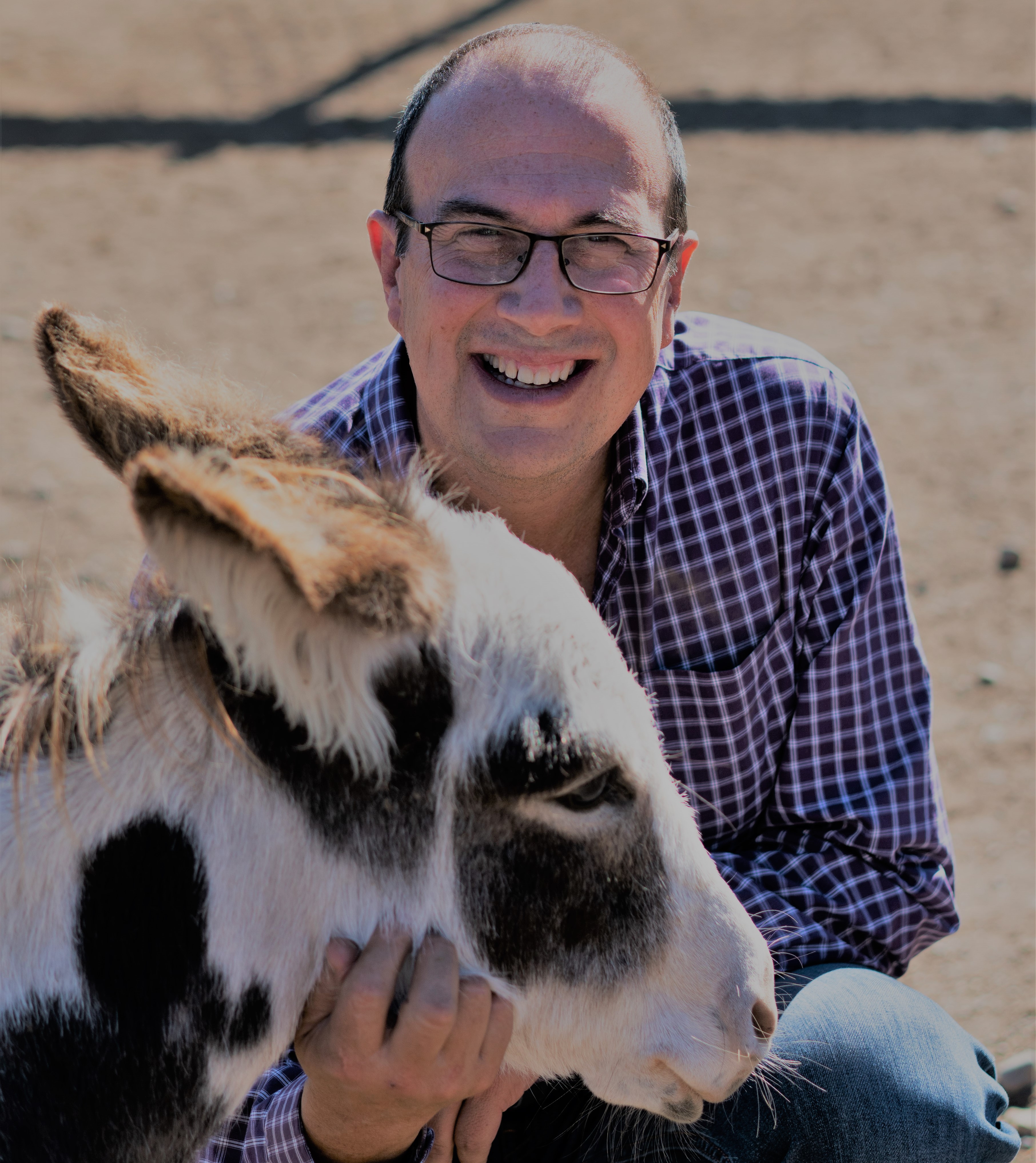
Ken Ramirez
EVP and CHIEF TRAINING OFFICER
KAREN PRYOR CLICKER TRAINING
KAREN PRYOR CLICKER TRAINING
Ken Ramirez is the Executive Vice-President and Chief Training Officer for Karen Pryor Clicker Training where he helps to oversee the vision, development and implementation of training education programs. Previously, Ken served as EVP of animal care and training at Chicago's Shedd Aquarium. A nearly 50 year veteran of animal care and training, Ramirez is a biologist and behavior specialist who has worked with many zoological organizations and dog programs throughout the world. He helped develop, and has been an instructor for, AZA’s Animal Training Applications course. He is past president of the International Marine Animal Trainers Association and has been active in various leadership positions within IMATA for over 40 years. He hosted two successful seasons of the TV series Talk to the Animals. Ramirez authored the book ANIMAL TRAINING: Successful Animal Management through Positive Reinforcement in 1999 and most recently The Eye of the Trainer in 2020. He taught a graduate course on animal training at Western Illinois University for 20 years. He currently teaches at ClickerExpo every year, offers hands on courses and seminars at the Karen Pryor National Training Center (the Ranch), and teaches online courses through Karen Pryor Academy. https://www.kenramireztraining.com/about-ken/.
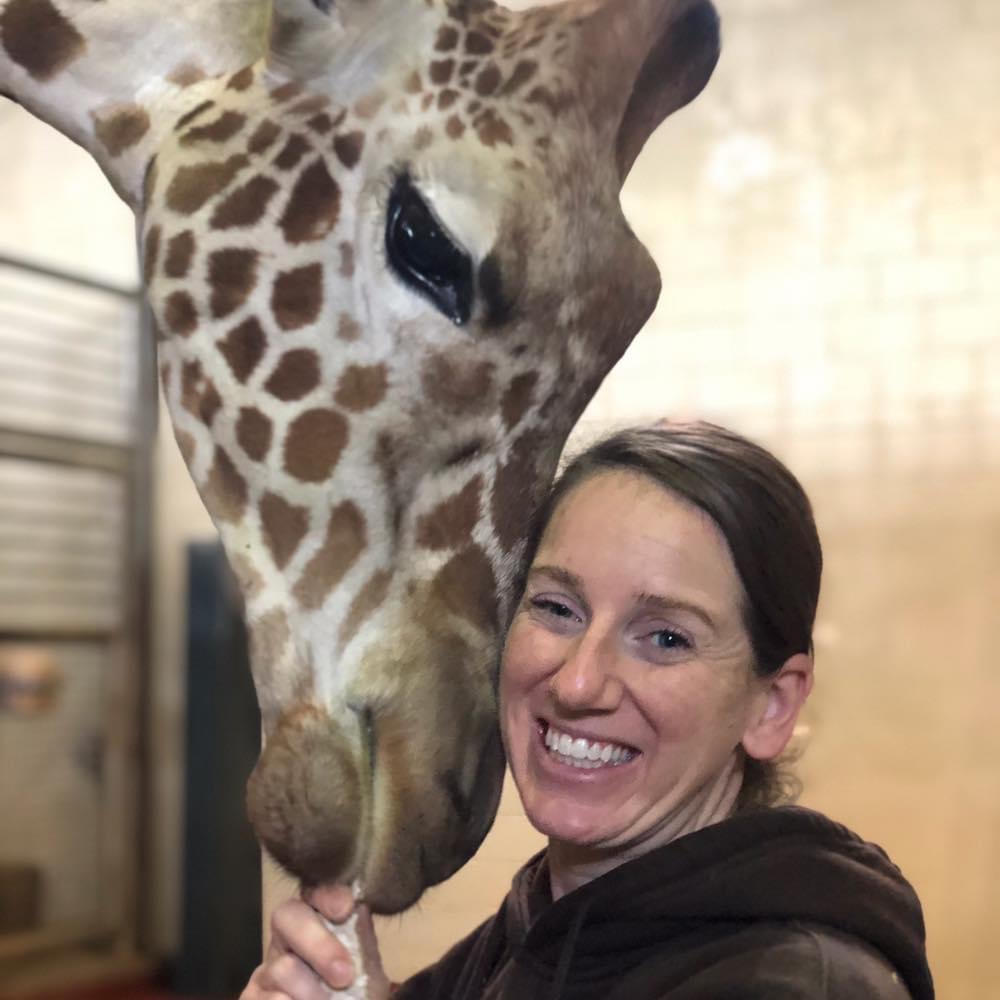
Amy Schilz
SENIOR ANIMAL BEHAVIORIST
CHEYENNE MOUNTAIN ZOO
CHEYENNE MOUNTAIN ZOO
Amy Schilz graduated from the University of Wisconsin-Stevens Point with a B.S. in both Wildlife Management and Biology, and a minor in Captive Biology. She has worked with wildlife in-situ and ex-situ for over 20 years; the majority of that time has been spent training and working with giraffes.
Amy enjoys her job as a Senior Animal Behaviourist for Cheyenne Mountain Zoo's International Center for the Care and Conservation of Giraffe, where she runs giraffe workshops and conferences, both stateside and internationally - https://giraffecenter.cmzoo.org/.
Amy also partners with Dr. Susan Friedman and her Behavior Works consulting team, who inspires her to continually revise and improve her practice in the least intrusive, most effective methods of implementing the science of behaviour change.
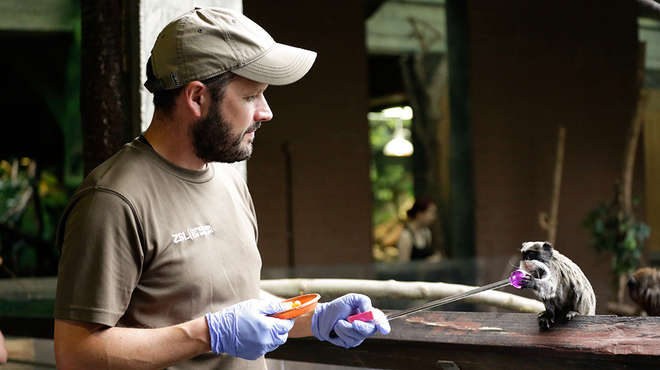
Jim Mackie
ANIMAL BEHAVIOUR MANAGEMENT OFFICER
Zoological Society of London
Zoological Society of London
Jim has worked at The Zoological Society of London (ZSL) for 25 years becoming the first Animal Behaviour management Officer in 2013. Jim is responsible for training and enrichment across ZSL’s two zoos, London and Whipsnade, working within the Evidence-based Animal Care team who oversee animal welfare, diet management, behaviour management and zoo research.
Jim helped found and chaired the BIAZA (British and Irish Association of Zoos and Aquaria) Animal Training and Behaviour Working Group from inception in 2014 until 2022, is Vice Chair of EAZA (European Association of Zoos and Aquaria) Animal Training Working Group and is an EAZA Academy instructor. Jim’s dual passions are animal behaviour and wildlife conservation, and he has provided behaviour science expertise for international and native species recovery projects, as well as teaching, lecturing and providing workshops on behaviour management all over the world. Jim was recently recognised for these contributions, being listed in the ‘Power 10’ of zoo and aquarium global influencers 2024: https://blooloop.com/blooloop-50-influencer-list-zoo-aquarium-2024/the-power-10/
Conference Theme
Location
Taronga Zoo Sydney
Bradleys Head Rd, Mosman NSW
There are a number of different options to get to Taronga Zoo, including bus, ferry or you can drive and park in the public carpark.
Taronga Zoo Sydney is located on Bradleys Head Road in Mosman, right on Sydney Harbour and easily accessible from the Sydney CBD.
Details about how to get to the zoo and zoo parking can be found here - https://taronga.org.au/sydney-zoo/getting-here.
Taronga Zoo Sydney is located on Bradleys Head Road in Mosman, right on Sydney Harbour and easily accessible from the Sydney CBD.
Details about how to get to the zoo and zoo parking can be found here - https://taronga.org.au/sydney-zoo/getting-here.
Schedule
Throughout the conference, attendees are encouraged to wear comfortable shoes and bring a hat and sunscreen, as some parts of the day will be spent outside. There will be outdoor activities each day which will involve a fair amount of walking.
Download a PDF version of the schedule by clicking the button below.
Download a PDF version of the schedule by clicking the button below.
Icebreaker
5:30 PM
6:00 PM
Sunday 16th November - Icebreaker - Taronga Zoo Main Entrance
Registrations Open for Conference
Attendees to meet at Taronga Zoo Main Entrance and will be guided to the icebreaker event space, where they can register and sign in for the conference.
Attendees to meet at Taronga Zoo Main Entrance and will be guided to the icebreaker event space, where they can register and sign in for the conference.
Kick off the conference by joining us for our Icebreaker event. A relaxed and informal evening designed to help delegates connect before the main sessions begin. Enjoy light refreshments, meet fellow attendees from across the region and start building valuable professional relationships in a welcoming atmosphere.
Canapes and a selection of soft drinks will be provided.
Canapes and a selection of soft drinks will be provided.
Day 1
7:30 AM
8:00 AM
8:30 AM
10:15 AM
10:45 AM
11:00 AM
11:15 AM
11:30 AM
11:45 AM
12 PM
12:15 PM
1 PM
1:45 PM
3:45 PM
4:15 PM
Monday 17th November - Taronga Institute Main Entrance
Registrations Open
Attendees that missed the icebreaker event can register and sign in for the conference. Attendees are to enter via the Taronga Institute of Science and Learning sliding double doors entrance, which is located to the right of the heritage main entrance of Taronga Zoo.
Attendees that missed the icebreaker event can register and sign in for the conference. Attendees are to enter via the Taronga Institute of Science and Learning sliding double doors entrance, which is located to the right of the heritage main entrance of Taronga Zoo.
Welcome - Opening Ceremony
Join the ASZK Animal Training Community Committee and Taronga Zoo’s Chief Executive Cameron Kerr for the opening ceremony of the 2025 conference.
Join the ASZK Animal Training Community Committee and Taronga Zoo’s Chief Executive Cameron Kerr for the opening ceremony of the 2025 conference.
INVITED SPEAKER: Ken Ramirez - Executive Vice-President and Chief Training Officer - Karen Pryor Clicker Training
Conservation Training
The science and application of learning theory is growing in use and popularity. From training the household pet to caring for the largest exotic animal in the zoo, applied behavior analysis has led to better behaved pets and improved animal care for animals all over the world. Creative trainers are always finding new ways to apply behavioral science; in the last several decades trainers have used advanced training skills to give back to nature and contribute to a wide range of conservation initiatives. Ken will share his training experiences with several unique conservation projects as well as those initiated by other skilled trainers. Conservation training is an exciting and expanding direction for experienced trainers to put their skills to use. Key applications include the expanded use of husbandry behaviors for conservation research, remote training projects, introduction of species to the wild, and other uses of behavior knowledge to aid in managing and studying animals to contribute to conservation. These applications have been used in assisting with conservation efforts with condors, wolves, sea otters, dolphins, sea lions, polar bears, sea turtles, macaws, chimpanzees, elephants and many others. The use of remote training in these projects has great possibilities for application in other zoological settings.
MORNING TEA BREAK
Light refreshments will be provided.
Light refreshments will be provided.
Brooke Pelizzari – Taronga Zoo Sydney
Macropod Manicures: Training a voluntary nail trim behaviour with a Tammar Wallaby (Notamacropus eugenii)
In early 2024, Tammar Wallaby ‘Flynn’ presented with abnormal toenail growth on the 2nd digit of his right foot that altered his natural gait, suggesting potential pain and discomfort. Investigation by the veterinary team at Taronga Wildlife Hospital revealed an old injury to the bottom of his foot. This was preventing the toenail from naturally wearing down, and we were advised that Flynn would require ongoing nail trimming for the rest of his life. We decided to train a voluntary nail trim behaviour using a dremmel to promote positive welfare by teaching Flynn to be a willing participant in his own necessary health care. Inspiration for what the behaviour would look like was taken from co-operative hoof-care behaviours in ungulates in human care, and adapted to be suitable for a tammar wallaby. The primary goals for this behaviour were:
a) to create a dialogue with Flynn and establish a communication system that allowed him to have choice and control in all stages of the training process;
b) to maintain positive attitude and motivation towards participation in the sessions; and c) to build resilience and generalize the behaviour.
This presentation will discuss how these goals were achieved, exploring concepts of consent and assent in animal training, and using control as the primary reinforcer. Some of the obstacles that arose during the seven-month training process and how they were overcome will be discussed, as well as the outcome of the behaviour, future implications and some of the lessons Flynn taught us along the way. This innovative behaviour is potentially a world-first for the species, with very little documented on macropod training within the exhibited animal industry and demonstrates that macropods are capable of being enthusiastic learners when given the opportunity.
a) to create a dialogue with Flynn and establish a communication system that allowed him to have choice and control in all stages of the training process;
b) to maintain positive attitude and motivation towards participation in the sessions; and c) to build resilience and generalize the behaviour.
This presentation will discuss how these goals were achieved, exploring concepts of consent and assent in animal training, and using control as the primary reinforcer. Some of the obstacles that arose during the seven-month training process and how they were overcome will be discussed, as well as the outcome of the behaviour, future implications and some of the lessons Flynn taught us along the way. This innovative behaviour is potentially a world-first for the species, with very little documented on macropod training within the exhibited animal industry and demonstrates that macropods are capable of being enthusiastic learners when given the opportunity.
Grace Watson – Auckland Zoo
Innovation through simplicity: How training one behaviour sparked a transformation in management and care of Spider Monkeys at Auckland Zoo
Establishing an effective training programme for a group of spider monkeys at Auckland Zoo has been an ongoing and challenging process, and the recent success of which has had far-reaching effects on their management, healthcare, and learning outcomes. Many of the training challenges that have been encountered over the years with this group reflect their complex social structure and hierarchy, as well as differences in age, individual learning histories and personalities, and a long history of different management philosophies and training techniques. In this group, the introduction of a single, well-defined “station” behaviour reignited the training programme, creating a positive learning environment for the animals and provided the basis on which to build other important welfare-enhancing behaviours. The criteria for the “station” behaviour is for the animal to sit calmly in front of, and touch the station when placed on the mesh by the keeper. Once trained, the distance between station markers was used to create distance between individuals of the group, easing social friction and stress, as well as allowing each individual focused training time with the keeper. The station behaviour was then used in conjunction with slide movements, allowing effective shifting between adjoining areas which has had significant implications for their welfare. Following this, the station was used as the basis of training important husbandry behaviours including crate and chute training, weighing and separation- all of which had been identified prior as key goal behaviours by the animal care staff. Central to the success of the training was not only the simplicity of the “station” behaviour itself, but the consistent communication and collaboration among staff, the focus on relationship building between keepers and spider monkeys, and implementing more free choice opportunities throughout training and daily management.
Phoebe Allen – Zoos Victoria
Learning from Loss: the integral role of proactive healthcare training in high risk disease mitigation
Elephant Endotheliotropic Herpesvirus (EEHV) is a virus that is endemic to elephants and is naturally occurring both in wild elephant populations, as well as those in human care. EEHV poses a major risk to young elephants, at times resulting in a hemorrhagic disease that is fast moving and can have fatal outcomes. Werribee Open Range Zoo houses a multigenerational herd of 9 elephants, that have recently moved from Melbourne Zoo to a brand new, custom built, 21ha facility. Our herd includes three calves under the age of 3, as well as six adults that range from 15- 52 years old. This presentation will explore the past, present, and future state of Zoos Victoria's elephant training program as a direct result of our experiences with EEHV, traversing highs and lows. It will also showcase the proactive healthcare behaviours that we have trained to support our herd in the event of an active case of EEHV, as well as outline the shaping process.
Gemma Asser - Monarto Safari Park
From ‘Aggressive’ to ‘Progressive’: The Labels of Rita the Porcupine and the Prickly Problem with Perception.
When I first started at Monarto Safari Park, I was introduced to Rita, a female Cape Porcupine. She was the dominant female of the group, large, in charge, and more crucial to this story, she was ‘aggressive’.
Tail rattling, quill flaring, grunting, huffing, lunging, biting: these are all the behaviours that keepers would see when they were within a certain proximity to Rita. It was these behaviours that led to me labelling her. My perception of Rita was: This animal is aggressive. So I treated her like she was aggressive, I introduced her to other keepers as aggressive, and so unsurprisingly, Rita kept ‘acting aggressive’. The label was convenient, and it gave me and others a false understanding of a ‘problem’ that we never thought to look deeper into.
After I attended the ATC in 2023, I followed this up immediately with the LLA course, two key experiences that monumentally shifted my perspective. I then scrapped every label, construct and thought I had ever had about Rita. This label of ‘aggressive’ I had attached to Rita, my own perception of what I thought Rita ‘was’, was a self-fulfilling prophecy. Scrapping the label meant I was able to use a behavioural model of analysis to help change Rita’s conditions, and therefore her behaviour. Rita was showing us respondent fear-based behaviour, with keeper presence being a part of the antecedent stimuli. Using systematic desensitisation and counter conditioning we were able to reduce Rita’s respondent fear reactions and helped open her up to operant learning.
The ‘problem’ was never with Rita or her behaviour. It was with us and our perception, something that we are all capable of reflecting on and changing to benefit the animals we work with. Dropping the labels, objectively analysing behaviour, and implementing a program of reinforcing counter conditioning led to this shared success. Rita is viewed as a completely different animal now, compared to 2 years ago when she was boxed in by our label of ‘aggressive’.
Tail rattling, quill flaring, grunting, huffing, lunging, biting: these are all the behaviours that keepers would see when they were within a certain proximity to Rita. It was these behaviours that led to me labelling her. My perception of Rita was: This animal is aggressive. So I treated her like she was aggressive, I introduced her to other keepers as aggressive, and so unsurprisingly, Rita kept ‘acting aggressive’. The label was convenient, and it gave me and others a false understanding of a ‘problem’ that we never thought to look deeper into.
After I attended the ATC in 2023, I followed this up immediately with the LLA course, two key experiences that monumentally shifted my perspective. I then scrapped every label, construct and thought I had ever had about Rita. This label of ‘aggressive’ I had attached to Rita, my own perception of what I thought Rita ‘was’, was a self-fulfilling prophecy. Scrapping the label meant I was able to use a behavioural model of analysis to help change Rita’s conditions, and therefore her behaviour. Rita was showing us respondent fear-based behaviour, with keeper presence being a part of the antecedent stimuli. Using systematic desensitisation and counter conditioning we were able to reduce Rita’s respondent fear reactions and helped open her up to operant learning.
The ‘problem’ was never with Rita or her behaviour. It was with us and our perception, something that we are all capable of reflecting on and changing to benefit the animals we work with. Dropping the labels, objectively analysing behaviour, and implementing a program of reinforcing counter conditioning led to this shared success. Rita is viewed as a completely different animal now, compared to 2 years ago when she was boxed in by our label of ‘aggressive’.
Bianca Papadopoulos - Melbourne Zoo and Behavior Works
What Are the Limitations? It’s Not the Science
In the last 100 years, science has shown that when you change the environment, you change behaviour. From Markowitz’s early demonstrations to today’s technology and enrichment advancements, the science of behaviour change is well-established. We are no longer asking can we engineer animal environments that facilitate healthy, active behaviour. The current question is, will we invest in doing so?
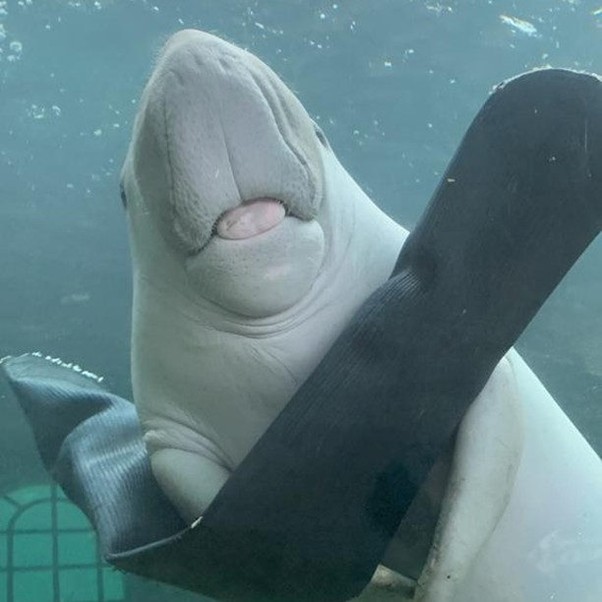
This presentation explores a common critical gap in modern zoo and aquarium practice: the persistent disconnect between what we know and what we do. While animal carers come with strong backgrounds in zoology or ethology, few are trained in applied behaviour analysis (ABA) - the science of learning which underpins effective environmental and behavioural interventions. Using the case studies of an Australian Fur Seal 'Bella' and Sumatran Orangutan 'Malu', we demonstrate how behavioural concerns signalled not a problem within the animal, but in the environment, we had built or failed to build around them.
Bella’s prolonged interactions with visitors at the underwater viewing windows were initially seen as a behaviour issue. But by applying an ABA approach, we reframed the ‘problem’ and followed a systematic process: collecting baseline data, conducting a functional assessment and designing targeted interventions.
Post-intervention data revealed a measurable decrease in the target behaviour. And whilst we recognise that infrastructure upgrades and increased funding are still needed, this case highlights how keeper-led interventions can drive meaningful welfare improvements.
This talk challenges delegates to rethink how we frame "behaviour problems," advocating for a shift in accountability from the animal to the system — and to the decisions we make about where and how we invest.
This presentation explores a common critical gap in modern zoo and aquarium practice: the persistent disconnect between what we know and what we do. While animal carers come with strong backgrounds in zoology or ethology, few are trained in applied behaviour analysis (ABA) - the science of learning which underpins effective environmental and behavioural interventions. Using the case studies of an Australian Fur Seal 'Bella' and Sumatran Orangutan 'Malu', we demonstrate how behavioural concerns signalled not a problem within the animal, but in the environment, we had built or failed to build around them.
Bella’s prolonged interactions with visitors at the underwater viewing windows were initially seen as a behaviour issue. But by applying an ABA approach, we reframed the ‘problem’ and followed a systematic process: collecting baseline data, conducting a functional assessment and designing targeted interventions.
Post-intervention data revealed a measurable decrease in the target behaviour. And whilst we recognise that infrastructure upgrades and increased funding are still needed, this case highlights how keeper-led interventions can drive meaningful welfare improvements.
This talk challenges delegates to rethink how we frame "behaviour problems," advocating for a shift in accountability from the animal to the system — and to the decisions we make about where and how we invest.
Question Time
LUNCH BREAK
Lunch will be provided.
Lunch will be provided.
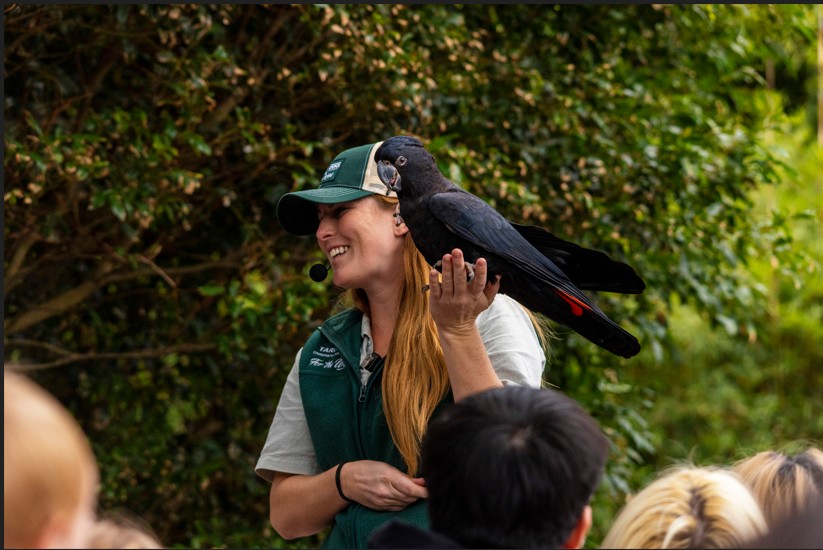
Free Flight Bird Training Demonstration - Free Flight Birds Theatre
Attendees will head down to the Free Flight Birds Theatre to watch a training demonstration from Taronga's Free Flight Bird Team.
Attendees will head down to the Free Flight Birds Theatre to watch a training demonstration from Taronga's Free Flight Bird Team.
Invited Speaker Workshops
Our invited speakers bring a wealth of global expertise and hands-on experience to this year’s conference workshops. Conference attendees will be split into four smaller groups for the duration of conference and the groups will rotate through each workshop each day. This ensures all attendees will get an opportunity to attend each workshop.
Dr. Susan G. Friedman Workshop - Critical Conversation Skills - Taronga Zoo Lecture Theatre
“The problem is not the animals, it’s the people!” That’s a common lament! Although we hold dear the value of treating people with the same respect that we expect them to have for their animals, we often lack the full skill set to meet this high standard. Pop psychology puts too much responsibility on the individual for his or behavioral outcomes. From a behavior analysis perspective, we understand that we are a part of each other’s influential environments. This perspective gives us a special opportunity to give feedback to, and receive feedback from, team members, effectively and humanely. This presentation will add tools to your interpersonal toolbox to stay in dialogue, navigate feedback, and achieve desired outcomes even in the face of disagreement, high stakes and strong emotions.
Ken Ramirez Workshop - Success Under All Conditions - Centenary Theatre
Ken Ramirez has spent a lot of his professional career working and consulting in professional environments - where the training results count. While there are many things which contribute to success or failure in these environments, when Ken is called in to help highly skilled trainers achieve the elusive excellence they seek, Ken has found a key that unlocks success more often than anything else.
In the working dog world, in particular, Ken’s clients are practitioners who are skilled, and have been successful, training the target behavior required (explosive detection, search and rescue techniques, guide dog skills, etc.). Beyond that point is where the trouble frequently sets in; the training outcomes fall below the accepted standards, and no one is happy. Similarly, in the zoological world, when trainers are tackling research training of medical training, some of the same issues exist. That’s when they call Ken.
Ken has found that his clients’ primary challenge is moving the behavior into the real world and dealing with the distractions that real life throws their way. This transition - crossing from “laboratory” to real world application is a wide chasm- one that is challenging to cross. It is where some trainers have relied on punishers to prevent the animals from reacting to distractions and help keep them on task – but the fallout from the use of aversive tools has become increasingly clear so trainers are looking more and more for positive alternatives. But even skilled trainers in the field, committed to using positive reinforcement-based training solutions, can struggle with this transition.
Ken has found that he unlocks success by introducing a programmatic focus on the value of better stimulus control achieved through the gradual exposure to unique and changing environments. Through the design of this structured desensitization program involving both stimulus control and generalization techniques - two sides of the same coin- but often compartmentalized - Ken has successfully increased the effectiveness and reliability of working dogs all over the world. A similar process has also been used to improve husbandry training in the zoological community. Teaching animals to expect the unexpected and improving stimulus control through systematic desensitization can revolutionize day to day training in so many professional contexts.
In the working dog world, in particular, Ken’s clients are practitioners who are skilled, and have been successful, training the target behavior required (explosive detection, search and rescue techniques, guide dog skills, etc.). Beyond that point is where the trouble frequently sets in; the training outcomes fall below the accepted standards, and no one is happy. Similarly, in the zoological world, when trainers are tackling research training of medical training, some of the same issues exist. That’s when they call Ken.
Ken has found that his clients’ primary challenge is moving the behavior into the real world and dealing with the distractions that real life throws their way. This transition - crossing from “laboratory” to real world application is a wide chasm- one that is challenging to cross. It is where some trainers have relied on punishers to prevent the animals from reacting to distractions and help keep them on task – but the fallout from the use of aversive tools has become increasingly clear so trainers are looking more and more for positive alternatives. But even skilled trainers in the field, committed to using positive reinforcement-based training solutions, can struggle with this transition.
Ken has found that he unlocks success by introducing a programmatic focus on the value of better stimulus control achieved through the gradual exposure to unique and changing environments. Through the design of this structured desensitization program involving both stimulus control and generalization techniques - two sides of the same coin- but often compartmentalized - Ken has successfully increased the effectiveness and reliability of working dogs all over the world. A similar process has also been used to improve husbandry training in the zoological community. Teaching animals to expect the unexpected and improving stimulus control through systematic desensitization can revolutionize day to day training in so many professional contexts.
Amy Schilz Workshop - Tells: Reading Behavior for Start, Stop, and Continue Signals - Taronga Institute Seminar Rooms 1&2
So often in training, we hear the phrase “select with reinforcement the behaviors you want to see, ignore the behaviors you don’t want to see.” This procedure has been standard for many training programs. In some scenarios, though, it isn’t always the clearest way of communicating with our animal partners. By ignoring unwanted behaviors, you may be missing critical information the animal is trying to provide. What if those “unwanted” behaviors are communicating, “Hey, slow down, I’m not ready for that step!” and we end up ignoring it? In our giraffe training program, we’ve found that when we have ignored some of these small, unwanted behaviors, the result has been escalation of those behaviors, or increased aggression.
In this presentation, we will discuss the way we have created a more open dialogue with our giraffe herd during their individual training sessions. By adjusting our approximations based on what each of the giraffe’s behaviors is telling us, we have created scenarios where each of their behaviors produces desirable outcomes for them. The giraffes can control whether or not we touch them, poke them, brush or pick their hooves, etc. In most cases, the giraffes cue the trainers to start the training interaction. Once we started paying attention to their smaller, overt behaviors (‘tells’, ex: a tail swish), we could move forward much faster, sometimes by taking steps backwards. The end result has been solid behaviors (blood draws, hoof work, injections, x-rays) and more trusting relationships.
Attendees will then get the opportunity to watch videos and decide if the trainer should start, stop, or continue with the approximations based off the animals’ behavior.
In this presentation, we will discuss the way we have created a more open dialogue with our giraffe herd during their individual training sessions. By adjusting our approximations based on what each of the giraffe’s behaviors is telling us, we have created scenarios where each of their behaviors produces desirable outcomes for them. The giraffes can control whether or not we touch them, poke them, brush or pick their hooves, etc. In most cases, the giraffes cue the trainers to start the training interaction. Once we started paying attention to their smaller, overt behaviors (‘tells’, ex: a tail swish), we could move forward much faster, sometimes by taking steps backwards. The end result has been solid behaviors (blood draws, hoof work, injections, x-rays) and more trusting relationships.
Attendees will then get the opportunity to watch videos and decide if the trainer should start, stop, or continue with the approximations based off the animals’ behavior.
Jim Mackie Workshop - Behaviour Workflow - Taronga Institute Guru and Burra Meeting Rooms
Enrichment in zoos can be defined as the behavioural husbandry practice that enhances the physical and psychological well-being of animals by promoting species-typical behaviours.
Traditionally, this approach involved the addition of physical objects to stimulate behaviours. While this form of enrichment has its advantages, its scope is limited, and its effectiveness dependant on many variables. The “Enriched Experiences” Programme, developed by the San Diego Zoo Wildlife Alliance (SDZWA), represents a paradigm shift by focusing on the behavioural output of the entire life cycle of an animal, with a focus on behaviourally diverse habitats, changes in daily care, along with the addition of environmental cues preceding reinforcers.
A presentation preceding the practical workshop will use data collected from several case studies at ZSL London and Whipsnade Zoos, inspired by the SDZWA programme, to demonstrate how the behaviour-first approach has resulted in improvements to ZSLs enrichment programme.
Working collaboratively in small groups, the practical element of the workshop will give delegates the opportunity to create their own behaviour workflows and associated inputs for a chosen species, in an interactive way.
Traditionally, this approach involved the addition of physical objects to stimulate behaviours. While this form of enrichment has its advantages, its scope is limited, and its effectiveness dependant on many variables. The “Enriched Experiences” Programme, developed by the San Diego Zoo Wildlife Alliance (SDZWA), represents a paradigm shift by focusing on the behavioural output of the entire life cycle of an animal, with a focus on behaviourally diverse habitats, changes in daily care, along with the addition of environmental cues preceding reinforcers.
A presentation preceding the practical workshop will use data collected from several case studies at ZSL London and Whipsnade Zoos, inspired by the SDZWA programme, to demonstrate how the behaviour-first approach has resulted in improvements to ZSLs enrichment programme.
Working collaboratively in small groups, the practical element of the workshop will give delegates the opportunity to create their own behaviour workflows and associated inputs for a chosen species, in an interactive way.
AFTERNOON TEA BREAK
Light refreshments will be provided.
Light refreshments will be provided.
Questions and day 1 wrap up.
Day 2
7:45 AM
8:00 AM
8:15 AM
9:45 AM
10:15 AM
10:30 AM
10:45 AM
11 AM
11:15 AM
11:30 PM
11:45 PM
12 PM
12:15 PM
12:30 PM
12:45 PM
1:30 PM
3:30 PM
4 PM
7:30 PM
Tuesday 18th November - Taronga Institute Main Entrance
Registrations Open
Attendees that missed day 1 can register and sign in for the conference. Attendees are to enter via the Taronga Institute of Science and Learning sliding double doors entrance, which is located to the right of the heritage main entrance of Taronga Zoo.
Attendees that missed day 1 can register and sign in for the conference. Attendees are to enter via the Taronga Institute of Science and Learning sliding double doors entrance, which is located to the right of the heritage main entrance of Taronga Zoo.
Welcome
Join the ASZK Animal Training Community Committee for day 2 of the conference.
Join the ASZK Animal Training Community Committee for day 2 of the conference.
INVITED SPEAKER: Jim Mackie - Animal Behaviour Management Officer - Zoological Society of London
From Science to Practice – An Evidence-based Approach to Training and Behaviour in the Modern Zoo
Founded in 1826, The Zoological Society of London was the world’s first scientific zoo, with animals housed for study rather than for human entertainment. However, the use of scientific principles to inform our animal care practices is still a relatively new concept. Formed in 2019, the Evidence-based Animal Care team has developed the ZSL ‘Animal Care Toolkit’ which applies behaviour, welfare and nutrition science in our daily and long-term animal management practices. The principles of behaviour science are used to help us care for our animals proactively, through our training and enrichment programmes, to prevent behavioural or health problems during introductions or following a move to a new environment, and to help problem solve any behavioural issues that may arise during the lifespan of an animal.
Using case studies from across the taxonomic groups, this presentation will highlight the multiple benefits that behaviour science is providing us, including how we are addressing human perceptions around animal visibility, increasing opportunities for new species - typical ‘natural’ behaviours, and how an evidence-based approach is providing more opportunities for animal – led decision making in a variety of contexts.
Using case studies from across the taxonomic groups, this presentation will highlight the multiple benefits that behaviour science is providing us, including how we are addressing human perceptions around animal visibility, increasing opportunities for new species - typical ‘natural’ behaviours, and how an evidence-based approach is providing more opportunities for animal – led decision making in a variety of contexts.
MORNING TEA BREAK
Light refreshments will be provided.
Light refreshments will be provided.
Sakura Parker-Iida – Zoos Victoria
More than meets the gill: Using training to enhance fish welfare
Bony fishes are a species-rich vertebrate class, recognized for their advanced cognitive abilities, yet remain under-represented in both literature and animal training. Despite being housed in zoological institutions worldwide, they have not received the focus they deserve in terms of behavioural research and welfare improvements.
At Melbourne Zoo, we took innovative steps to apply basic animal training principles to a variety of bony fish species, achieving observable positive welfare outcomes. This presentation will demonstrate how animal training can be leveraged as a tool for bony fish species, enhancing co-operative care, day-to-day husbandry management, and expanding their behavioural repertoires.
Examples include the voluntary skin scrape of a globefish (Diodon nicthemerus), exercise training of a Tasmanian Blenny (Parablennius tasmanianus), and target training across multiple temperate marine species. These efforts highlight the potential for leaps in learning within these species, showcasing how applied training can significantly enhance both animal welfare and our understanding of their cognitive capabilities.
At Melbourne Zoo, we took innovative steps to apply basic animal training principles to a variety of bony fish species, achieving observable positive welfare outcomes. This presentation will demonstrate how animal training can be leveraged as a tool for bony fish species, enhancing co-operative care, day-to-day husbandry management, and expanding their behavioural repertoires.
Examples include the voluntary skin scrape of a globefish (Diodon nicthemerus), exercise training of a Tasmanian Blenny (Parablennius tasmanianus), and target training across multiple temperate marine species. These efforts highlight the potential for leaps in learning within these species, showcasing how applied training can significantly enhance both animal welfare and our understanding of their cognitive capabilities.
Emma Dickey – Auckland Zoo
A Tail of Tigers
Auckland Zoo welcomed two Sumatran tigers as part of the International Breeding and Advocacy Program in November 2022, after completion of the new Lowlands area within the Southeast Asia Jungle Track. This world class development includes three immersive, naturalistic habitats, with overhead passes and connecting areas, creating a complex and dynamic habitat, which encourages natural behaviour and creates an immersive environment bringing our 800,000+ annual visitors closer to wildlife. There are many facets of the rotational habitat and back of house design that have allowed keepers to develop and implement a variety of training plans. This includes the purpose-built training chute in the back of house facility and the training window in one of the three habitats. Both features have advantages that have been utilized to work with each tiger and their different personalities. The training chute allows for easy access to tigers for voluntary hand injections in hindquarters and tail blood draws, and it also provides keepers an opportunity for safe ventral access to the female tiger, allowing us to condition her for regular ultrasound scans and monitoring of mammary development during gestation. The portals within the training window have given keepers an opportunity to connect with the animals as well as visitors, volunteers, and staff, through regular training sessions and encounters. It has also been instrumental in helping to develop a positive working relationship with the male tiger, allowing keepers to build up his comfort and confidence with different movements and staff, to reduce the reactive behaviours seen when he first arrived.
This paper will explore the different learning opportunities the Auckland Zoo tiger keepers have had, from keeper-tiger relationship progression, to the successful breeding, weekly ultrasounds, and early relationship development with young offspring leading to successful hand injection training within the first 12 months.
This paper will explore the different learning opportunities the Auckland Zoo tiger keepers have had, from keeper-tiger relationship progression, to the successful breeding, weekly ultrasounds, and early relationship development with young offspring leading to successful hand injection training within the first 12 months.
Hannah Allwood – Hamilton Zoo
Enhancing Primate Welfare: Training Cotton-Top Tamarins for Medical Ultrasound Participation
In 2022 Hamilton Zoo acquired a 3-year-old cotton-top tamarin female, Yara, to partner with our then solo male, Mishka. This followed the unexpected loss of our previous breeding female due to pregnancy and birth complications. Previous pregnancies with this female were difficult to confirm. Prolonged labour and abnormally large neonates resulted in only 1 surviving infant out of 3 births. Weight was found to be unreliable to confirm previous pregnancies with keepers only finding out a month before birth. As this was to be a first time pregnancy for our new female, with a breeding recommendation in place, we were motivated to train a voluntary ultrasound behaviour. This was to help us confirm her pregnancy and monitor the development of the infants. This presentation will outline the steps involved into developing this first-time training and how important it was to read and be sensitive to Yara’s behaviour in order to boost her confidence and develop the behaviour further. Using fluid and slow movements, a combination of positive reinforcement and choice and control resulted in a successful ultrasound image, where we were able to confirm Yara’s pregnancy with our veterinarian. Continuing to build on tactile training has also resulted in veterinarians and novel keepers being able to partake in body condition scoring and utilising this tactile training as another tool to help confirm pregnancy.
Erin Oakley - Sea World Australia
The Next Generation of Gamers; The Application of the Enclosure Video Enrichment System to Pinnipeds
Sea World Australia is committed to providing positive welfare to all animals within the facility, through its welfare WISE program (Welfare Improvement through Scientific Evidence). This program includes benchmarks such a preventative medical program, a goal-based enrichment program and provides a high level of mental challenge daily through learning opportunities. The use of concept training, which asks the animals to make connections between previously disconnected concepts have been essential in improving the level of daily mental challenge provided in learning opportunities. The introduction of a novel form of cognitive enrichment, the Enclosure Video Enrichment system (E.V.E) to the pinniped program has allowed concept training to grow even more. The E.V.E system, which is essentially a computer game developed at the US Navy’s Marine Mammal program, allows the animal to have true control within a session, by manipulating a cursor on a screen using a 4-button directional controller pad.
E.V.E has been a fascinating and fun concept to train, and this is reflected in the pinnipeds eagerness to participate. We have seen high participation and engagement from pinnipeds which have been excelling within the concept framework, but also individuals that have had limited learning opportunities due to health restrictions. The E.V.E sessions have also been used to reinforce challenging voluntary husbandry behaviours such as vaccinations, blood sampling and ultrasounds, as well as adding challenge, choice and control in predictable scenarios.
The application of the E.V.E system is an innovative leap in learning through the introduction of a novel form of technological enrichment, adding cognitively challenging learning opportunities. These sessions add a high level of engagement for the animal and examples of the application showcase this.
E.V.E has been a fascinating and fun concept to train, and this is reflected in the pinnipeds eagerness to participate. We have seen high participation and engagement from pinnipeds which have been excelling within the concept framework, but also individuals that have had limited learning opportunities due to health restrictions. The E.V.E sessions have also been used to reinforce challenging voluntary husbandry behaviours such as vaccinations, blood sampling and ultrasounds, as well as adding challenge, choice and control in predictable scenarios.
The application of the E.V.E system is an innovative leap in learning through the introduction of a novel form of technological enrichment, adding cognitively challenging learning opportunities. These sessions add a high level of engagement for the animal and examples of the application showcase this.
Question Time
Emma Pearce - Hamilton Zoo
Progressive Porcupine Training with a Growing Prickle.
Over the past three years, the Cape Porcupine population at Hamilton Zoo has grown from a single individual to a thriving family of seven. Ingozi, the original adult female, had undergone advanced training before being joined by Ayanfe, who arrived at the end of 2022 as part of a breeding recommendation. Their successful introduction led to the birth of five offspring over the following years. Maintaining Ingozi’s established training while integrating the entire group has required innovative and creative approaches. This presentation will outline the strategies used to involve all individuals in the training program. Through positive reinforcement, as well as offering choice and control, strong, cooperative relationships have been fostered between the keepers and the porcupines during feeding routines and daily husbandry. Medical behaviours have been a key focus, including regular weighing, tactile desensitization, injection training, crate training, conscious x-rays, and ultrasound procedures. Notably, Ingozi remains the only animal at Hamilton Zoo to voluntarily walk into the veterinary clinic for a general anaesthetic. As a nocturnal species, Cape porcupines can be challenging for zoo visitors to observe. The training program has aimed to improve visibility and build meaningful connections with the public—both within the enclosure and through supervised interactions outside of it. Currently, three of the seven porcupines are trained to voluntarily leave their enclosure with a keeper, without the use of harnesses. Robust practices are now in place to ensure the porcupine group does not exceed its current size, however it’s exciting to see how far the animal training program has come—and the potential it holds for continued growth.
Yvette Harris - Melbourne Zoo
Swimming into the Jungle: Innovative Insights from Marine Mammals to Great Apes
In a field where experience often defines opportunity, transitioning from a career in marine mammals to great apes might seem improbable. Yet, this leap became the catalyst for a significant behavioural breakthrough in Melbourne Zoo’s history. With no prior primate experience, I was given the opportunity to work with two orangutans and within a short period, achieved a Melbourne zoo-first: the successful voluntary blood collection from a conscious great ape.
This presentation will explore how transferable skills, fresh perspective, and adaptive training methodologies led to this milestone. It will also highlight the critical role that supportive leadership and a progressive shift in management played in fostering innovation and empowering staff to pursue bold, animal-centric outcomes.
Through this case study, I aim to demonstrate how stepping outside traditional career paths and welcoming diverse backgrounds can enrich animal welfare and challenge entrenched practices. This journey not only redefined my professional trajectory but also significantly enhanced the wellbeing of the orangutans in my care.
This presentation will explore how transferable skills, fresh perspective, and adaptive training methodologies led to this milestone. It will also highlight the critical role that supportive leadership and a progressive shift in management played in fostering innovation and empowering staff to pursue bold, animal-centric outcomes.
Through this case study, I aim to demonstrate how stepping outside traditional career paths and welcoming diverse backgrounds can enrich animal welfare and challenge entrenched practices. This journey not only redefined my professional trajectory but also significantly enhanced the wellbeing of the orangutans in my care.
Jacob Leto - Taronga Zoo Sydney
A New Keeper Can Teach an Old Bongo New Tricks: The Benefits of Prioritising Training in Aged Individuals
Stepping into the world of training as a new keeper can be daunting—especially when the first animal they’re training is a sensitive, aging antelope. Ekundu, a now 19-year-old Eastern Bongo, was the first animal I worked with in my career, and the first for whom I became a primary trainer. While Ekundu already had a history of participating in some basic husbandry behaviours, such as entering a raceway and accepting tactile contact, he had not been actively trained for new behaviours in some time.
Maintaining cognitive exercises in people, especially the elderly, is known to help sustain and improve cognitive function. This same belief should be applied to aging animals, and when in human care, it is important to consider cognitive opportunities to enrich their lives. This presentation explores the process of building upon Ekundu's foundational behaviours, to progress to cooperative blood draws and laying the groundwork for x-rays. Prioritising the training of an aged individual is not only important for cognitive stimulation. It also increases behavioural repertoires later in life which builds resilience for invasive procedures associated with age.
Furthermore, the presentation underscores that developing animal training skills as a keeper is not separate from the animal’s learning journey—it is part of the same interconnected system. Innovation in learning begins with the trainer’s first steps and developing keeper skills which will continue to benefit other animals in human-care for years to come. The success of this work did not belong solely to the individual or the team; it was also Ekundu’s. This case illustrates how incremental learning, strategic collaboration, and a willingness to embrace trial, error, and adaptation can produce meaningful welfare outcomes, particularly for older animals.
Maintaining cognitive exercises in people, especially the elderly, is known to help sustain and improve cognitive function. This same belief should be applied to aging animals, and when in human care, it is important to consider cognitive opportunities to enrich their lives. This presentation explores the process of building upon Ekundu's foundational behaviours, to progress to cooperative blood draws and laying the groundwork for x-rays. Prioritising the training of an aged individual is not only important for cognitive stimulation. It also increases behavioural repertoires later in life which builds resilience for invasive procedures associated with age.
Furthermore, the presentation underscores that developing animal training skills as a keeper is not separate from the animal’s learning journey—it is part of the same interconnected system. Innovation in learning begins with the trainer’s first steps and developing keeper skills which will continue to benefit other animals in human-care for years to come. The success of this work did not belong solely to the individual or the team; it was also Ekundu’s. This case illustrates how incremental learning, strategic collaboration, and a willingness to embrace trial, error, and adaptation can produce meaningful welfare outcomes, particularly for older animals.
Mikaela Preston - WILD LIFE Sydney Zoo
Macropods and Monotremes - Redefining Success in Training
The purpose of this presentation is to highlight the learning capabilities of Australian natives, and how to view success in the world of animal training. Training and conditioning can be daunting for those who are new to training, like myself, in being unsure where to begin, or what the end goal should be. To find accomplishment, we need to challenge the idea of what defines success in animal training.
The learnings taken from the behaviours within this presentation reaffirm that success is a subjective concept, and that animal training constitutes many unique teaching and learning styles of both animals and trainers. Exploring and celebrating this uniqueness in animal training will result in innovative outcomes that will further learning and development within this ever-evolving aspect of animal care.
Australian native species are often assumed to lack the ability to learn and are therefore underrepresented in the training and conditioning sphere. Adjusting our preconceived perceptions can create space for their capabilities to shine. The trained behaviours that will be addressed in this presentation include a conscious blood draw from a Goodfellow’s tree kangaroo, a voluntary lift with a short beaked echidna, and cognitive problem solving through scent and colour detection with a Kangaroo Island kangaroo. These behaviours showcase huge advancements in cooperative care and prove that a fresh outlook on training and our view of success can result in positive behavioural changes and improved welfare for the animals in our care.
The learnings taken from the behaviours within this presentation reaffirm that success is a subjective concept, and that animal training constitutes many unique teaching and learning styles of both animals and trainers. Exploring and celebrating this uniqueness in animal training will result in innovative outcomes that will further learning and development within this ever-evolving aspect of animal care.
Australian native species are often assumed to lack the ability to learn and are therefore underrepresented in the training and conditioning sphere. Adjusting our preconceived perceptions can create space for their capabilities to shine. The trained behaviours that will be addressed in this presentation include a conscious blood draw from a Goodfellow’s tree kangaroo, a voluntary lift with a short beaked echidna, and cognitive problem solving through scent and colour detection with a Kangaroo Island kangaroo. These behaviours showcase huge advancements in cooperative care and prove that a fresh outlook on training and our view of success can result in positive behavioural changes and improved welfare for the animals in our care.
Question Time
LUNCH BREAK
Lunch will be provided.
Lunch will be provided.
Invited Speaker Workshops
Our invited speakers bring a wealth of global expertise and hands-on experience to this year’s conference workshops. Conference attendees will be split into four smaller groups for the duration of conference and the groups will rotate through each workshop each day. This ensures all attendees will get an opportunity to attend each workshop.
Dr. Susan G. Friedman Workshop - Critical Conversation Skills - Taronga Zoo Lecture Theatre
“The problem is not the animals, it’s the people!” That’s a common lament! Although we hold dear the value of treating people with the same respect that we expect them to have for their animals, we often lack the full skill set to meet this high standard. Pop psychology puts too much responsibility on the individual for his or behavioral outcomes. From a behavior analysis perspective, we understand that we are a part of each other’s influential environments. This perspective gives us a special opportunity to give feedback to, and receive feedback from, team members, effectively and humanely. This presentation will add tools to your interpersonal toolbox to stay in dialogue, navigate feedback, and achieve desired outcomes even in the face of disagreement, high stakes and strong emotions.
Ken Ramirez Workshop - Success Under All Conditions - Centenary Theatre
Ken Ramirez has spent a lot of his professional career working and consulting in professional environments - where the training results count. While there are many things which contribute to success or failure in these environments, when Ken is called in to help highly skilled trainers achieve the elusive excellence they seek, Ken has found a key that unlocks success more often than anything else.
In the working dog world, in particular, Ken’s clients are practitioners who are skilled, and have been successful, training the target behavior required (explosive detection, search and rescue techniques, guide dog skills, etc.). Beyond that point is where the trouble frequently sets in; the training outcomes fall below the accepted standards, and no one is happy. Similarly, in the zoological world, when trainers are tackling research training of medical training, some of the same issues exist. That’s when they call Ken.
Ken has found that his clients’ primary challenge is moving the behavior into the real world and dealing with the distractions that real life throws their way. This transition - crossing from “laboratory” to real world application is a wide chasm- one that is challenging to cross. It is where some trainers have relied on punishers to prevent the animals from reacting to distractions and help keep them on task – but the fallout from the use of aversive tools has become increasingly clear so trainers are looking more and more for positive alternatives. But even skilled trainers in the field, committed to using positive reinforcement-based training solutions, can struggle with this transition.
Ken has found that he unlocks success by introducing a programmatic focus on the value of better stimulus control achieved through the gradual exposure to unique and changing environments. Through the design of this structured desensitization program involving both stimulus control and generalization techniques - two sides of the same coin- but often compartmentalized - Ken has successfully increased the effectiveness and reliability of working dogs all over the world. A similar process has also been used to improve husbandry training in the zoological community. Teaching animals to expect the unexpected and improving stimulus control through systematic desensitization can revolutionize day to day training in so many professional contexts.
In the working dog world, in particular, Ken’s clients are practitioners who are skilled, and have been successful, training the target behavior required (explosive detection, search and rescue techniques, guide dog skills, etc.). Beyond that point is where the trouble frequently sets in; the training outcomes fall below the accepted standards, and no one is happy. Similarly, in the zoological world, when trainers are tackling research training of medical training, some of the same issues exist. That’s when they call Ken.
Ken has found that his clients’ primary challenge is moving the behavior into the real world and dealing with the distractions that real life throws their way. This transition - crossing from “laboratory” to real world application is a wide chasm- one that is challenging to cross. It is where some trainers have relied on punishers to prevent the animals from reacting to distractions and help keep them on task – but the fallout from the use of aversive tools has become increasingly clear so trainers are looking more and more for positive alternatives. But even skilled trainers in the field, committed to using positive reinforcement-based training solutions, can struggle with this transition.
Ken has found that he unlocks success by introducing a programmatic focus on the value of better stimulus control achieved through the gradual exposure to unique and changing environments. Through the design of this structured desensitization program involving both stimulus control and generalization techniques - two sides of the same coin- but often compartmentalized - Ken has successfully increased the effectiveness and reliability of working dogs all over the world. A similar process has also been used to improve husbandry training in the zoological community. Teaching animals to expect the unexpected and improving stimulus control through systematic desensitization can revolutionize day to day training in so many professional contexts.
Amy Schilz Workshop - Tells: Reading Behavior for Start, Stop, and Continue Signals - Taronga Institute Seminar Rooms 1&2
So often in training, we hear the phrase “select with reinforcement the behaviors you want to see, ignore the behaviors you don’t want to see.” This procedure has been standard for many training programs. In some scenarios, though, it isn’t always the clearest way of communicating with our animal partners. By ignoring unwanted behaviors, you may be missing critical information the animal is trying to provide. What if those “unwanted” behaviors are communicating, “Hey, slow down, I’m not ready for that step!” and we end up ignoring it? In our giraffe training program, we’ve found that when we have ignored some of these small, unwanted behaviors, the result has been escalation of those behaviors, or increased aggression.
In this presentation, we will discuss the way we have created a more open dialogue with our giraffe herd during their individual training sessions. By adjusting our approximations based on what each of the giraffe’s behaviors is telling us, we have created scenarios where each of their behaviors produces desirable outcomes for them. The giraffes can control whether or not we touch them, poke them, brush or pick their hooves, etc. In most cases, the giraffes cue the trainers to start the training interaction. Once we started paying attention to their smaller, overt behaviors (‘tells’, ex: a tail swish), we could move forward much faster, sometimes by taking steps backwards. The end result has been solid behaviors (blood draws, hoof work, injections, x-rays) and more trusting relationships.
Attendees will then get the opportunity to watch videos and decide if the trainer should start, stop, or continue with the approximations based off the animals’ behavior.
In this presentation, we will discuss the way we have created a more open dialogue with our giraffe herd during their individual training sessions. By adjusting our approximations based on what each of the giraffe’s behaviors is telling us, we have created scenarios where each of their behaviors produces desirable outcomes for them. The giraffes can control whether or not we touch them, poke them, brush or pick their hooves, etc. In most cases, the giraffes cue the trainers to start the training interaction. Once we started paying attention to their smaller, overt behaviors (‘tells’, ex: a tail swish), we could move forward much faster, sometimes by taking steps backwards. The end result has been solid behaviors (blood draws, hoof work, injections, x-rays) and more trusting relationships.
Attendees will then get the opportunity to watch videos and decide if the trainer should start, stop, or continue with the approximations based off the animals’ behavior.
Jim Mackie Workshop - Behaviour Workflow - Taronga Institute Guru and Burra Meeting Rooms
Enrichment in zoos can be defined as the behavioural husbandry practice that enhances the physical and psychological well-being of animals by promoting species-typical behaviours.
Traditionally, this approach involved the addition of physical objects to stimulate behaviours. While this form of enrichment has its advantages, its scope is limited, and its effectiveness dependant on many variables. The “Enriched Experiences” Programme, developed by the San Diego Zoo Wildlife Alliance (SDZWA), represents a paradigm shift by focusing on the behavioural output of the entire life cycle of an animal, with a focus on behaviourally diverse habitats, changes in daily care, along with the addition of environmental cues preceding reinforcers.
A presentation preceding the practical workshop will use data collected from several case studies at ZSL London and Whipsnade Zoos, inspired by the SDZWA programme, to demonstrate how the behaviour-first approach has resulted in improvements to ZSLs enrichment programme.
Working collaboratively in small groups, the practical element of the workshop will give delegates the opportunity to create their own behaviour workflows and associated inputs for a chosen species, in an interactive way.
Traditionally, this approach involved the addition of physical objects to stimulate behaviours. While this form of enrichment has its advantages, its scope is limited, and its effectiveness dependant on many variables. The “Enriched Experiences” Programme, developed by the San Diego Zoo Wildlife Alliance (SDZWA), represents a paradigm shift by focusing on the behavioural output of the entire life cycle of an animal, with a focus on behaviourally diverse habitats, changes in daily care, along with the addition of environmental cues preceding reinforcers.
A presentation preceding the practical workshop will use data collected from several case studies at ZSL London and Whipsnade Zoos, inspired by the SDZWA programme, to demonstrate how the behaviour-first approach has resulted in improvements to ZSLs enrichment programme.
Working collaboratively in small groups, the practical element of the workshop will give delegates the opportunity to create their own behaviour workflows and associated inputs for a chosen species, in an interactive way.
AFTERNOON TEA
Grab and go afternoon tea provided and then attendees will depart via bus to SEA LIFE Sydney Aquarium & WILD LIFE Sydney Zoo.
Grab and go afternoon tea provided and then attendees will depart via bus to SEA LIFE Sydney Aquarium & WILD LIFE Sydney Zoo.
Arrive SEA LIFE Sydney Aquarium & WILD LIFE Sydney Zoo
Join us for an exclusive evening event, including animal training demonstrations from the SEA LIFE and WILD LIFE Sydney Zoo teams and a BBQ dinner. This is a fantastic opportunity to observe diverse training applications and connect with peers in a relaxed setting.
Depart SEA LIFE Sydney Aquarium & WILD LIFE Sydney Zoo
Attendees will travel via bus back to Taronga Zoo.
Attendees will travel via bus back to Taronga Zoo.
Day 3
7:45 AM
8:00 AM
8:15 AM
9:45 AM
10:15 AM
12:15 PM
1 PM
1:15 PM
1:30 PM
1:45 PM
2 PM
2:15 PM
2:30 PM
2:45 PM
3 PM
3:05 PM
3:45 PM
4:15 PM
Wednesday 19th November - Taronga Institute Main Entrance
Registrations Open
Attendees that missed day 1 or 2 can register and sign in for the conference. Attendees are to enter via the Taronga Institute of Science and Learning sliding double doors entrance, which is located to the right of the heritage main entrance of Taronga Zoo.
Attendees that missed day 1 or 2 can register and sign in for the conference. Attendees are to enter via the Taronga Institute of Science and Learning sliding double doors entrance, which is located to the right of the heritage main entrance of Taronga Zoo.
Welcome
Join the ASZK Animal Training Community Committee for day 3 of the conference.
Join the ASZK Animal Training Community Committee for day 3 of the conference.
INVITED SPEAKER: Amy Schilz - Senior Animal Behaviorist - Cheyenne Mountain Zoo
Putting the Science to Work: A Modern Approach to Shaping and Capturing
When an animal makes an error in a training session, a typical response from many trainers is to withhold reinforcement. Withholding reinforcement (arguably a time-out or extinction procedure) has side effects, including slower learning, aggression, and frustration – all of which are best avoided. Rather than reducing the number of errors an animal already makes by withholding reinforcement, the goal of a modern trainer is train with fewer or any errors in the first place.
How do we do this? As our training philosophies and practices have evolved, we now rely on antecedent arrangement more to make the reinforceable behavior more likely. With attention to the “A” in the ABC contingency, capturing becomes more practical, both effective and least intrusive. In addition to antecedent arrangement (including setting events and prompts), trainers can look to reduce errors by establishing foundation behaviors, recognizing and responding to hesitation, and adjusting the plan to meet the needs of each individual animal. This presentation will cover each of these strategies.
How do we do this? As our training philosophies and practices have evolved, we now rely on antecedent arrangement more to make the reinforceable behavior more likely. With attention to the “A” in the ABC contingency, capturing becomes more practical, both effective and least intrusive. In addition to antecedent arrangement (including setting events and prompts), trainers can look to reduce errors by establishing foundation behaviors, recognizing and responding to hesitation, and adjusting the plan to meet the needs of each individual animal. This presentation will cover each of these strategies.
MORNING TEA BREAK
Light refreshments will be provided.
Light refreshments will be provided.
Invited Speaker Workshops
Our invited speakers bring a wealth of global expertise and hands-on experience to this year’s conference workshops. Conference attendees will be split into four smaller groups for the duration of conference and the groups will rotate through each workshop each day. This ensures all attendees will get an opportunity to attend each workshop.
Dr. Susan G. Friedman Workshop - Critical Conversation Skills - Taronga Zoo Lecture Theatre
“The problem is not the animals, it’s the people!” That’s a common lament! Although we hold dear the value of treating people with the same respect that we expect them to have for their animals, we often lack the full skill set to meet this high standard. Pop psychology puts too much responsibility on the individual for his or behavioral outcomes. From a behavior analysis perspective, we understand that we are a part of each other’s influential environments. This perspective gives us a special opportunity to give feedback to, and receive feedback from, team members, effectively and humanely. This presentation will add tools to your interpersonal toolbox to stay in dialogue, navigate feedback, and achieve desired outcomes even in the face of disagreement, high stakes and strong emotions.
Ken Ramirez Workshop - Success Under All Conditions - Centenary Theatre
Ken Ramirez has spent a lot of his professional career working and consulting in professional environments - where the training results count. While there are many things which contribute to success or failure in these environments, when Ken is called in to help highly skilled trainers achieve the elusive excellence they seek, Ken has found a key that unlocks success more often than anything else.
In the working dog world, in particular, Ken’s clients are practitioners who are skilled, and have been successful, training the target behavior required (explosive detection, search and rescue techniques, guide dog skills, etc.). Beyond that point is where the trouble frequently sets in; the training outcomes fall below the accepted standards, and no one is happy. Similarly, in the zoological world, when trainers are tackling research training of medical training, some of the same issues exist. That’s when they call Ken.
Ken has found that his clients’ primary challenge is moving the behavior into the real world and dealing with the distractions that real life throws their way. This transition - crossing from “laboratory” to real world application is a wide chasm- one that is challenging to cross. It is where some trainers have relied on punishers to prevent the animals from reacting to distractions and help keep them on task – but the fallout from the use of aversive tools has become increasingly clear so trainers are looking more and more for positive alternatives. But even skilled trainers in the field, committed to using positive reinforcement-based training solutions, can struggle with this transition.
Ken has found that he unlocks success by introducing a programmatic focus on the value of better stimulus control achieved through the gradual exposure to unique and changing environments. Through the design of this structured desensitization program involving both stimulus control and generalization techniques - two sides of the same coin- but often compartmentalized - Ken has successfully increased the effectiveness and reliability of working dogs all over the world. A similar process has also been used to improve husbandry training in the zoological community. Teaching animals to expect the unexpected and improving stimulus control through systematic desensitization can revolutionize day to day training in so many professional contexts.
In the working dog world, in particular, Ken’s clients are practitioners who are skilled, and have been successful, training the target behavior required (explosive detection, search and rescue techniques, guide dog skills, etc.). Beyond that point is where the trouble frequently sets in; the training outcomes fall below the accepted standards, and no one is happy. Similarly, in the zoological world, when trainers are tackling research training of medical training, some of the same issues exist. That’s when they call Ken.
Ken has found that his clients’ primary challenge is moving the behavior into the real world and dealing with the distractions that real life throws their way. This transition - crossing from “laboratory” to real world application is a wide chasm- one that is challenging to cross. It is where some trainers have relied on punishers to prevent the animals from reacting to distractions and help keep them on task – but the fallout from the use of aversive tools has become increasingly clear so trainers are looking more and more for positive alternatives. But even skilled trainers in the field, committed to using positive reinforcement-based training solutions, can struggle with this transition.
Ken has found that he unlocks success by introducing a programmatic focus on the value of better stimulus control achieved through the gradual exposure to unique and changing environments. Through the design of this structured desensitization program involving both stimulus control and generalization techniques - two sides of the same coin- but often compartmentalized - Ken has successfully increased the effectiveness and reliability of working dogs all over the world. A similar process has also been used to improve husbandry training in the zoological community. Teaching animals to expect the unexpected and improving stimulus control through systematic desensitization can revolutionize day to day training in so many professional contexts.
Amy Schilz Workshop - Tells: Reading Behavior for Start, Stop, and Continue Signals - Taronga Institute Seminar Rooms 1&2
So often in training, we hear the phrase “select with reinforcement the behaviors you want to see, ignore the behaviors you don’t want to see.” This procedure has been standard for many training programs. In some scenarios, though, it isn’t always the clearest way of communicating with our animal partners. By ignoring unwanted behaviors, you may be missing critical information the animal is trying to provide. What if those “unwanted” behaviors are communicating, “Hey, slow down, I’m not ready for that step!” and we end up ignoring it? In our giraffe training program, we’ve found that when we have ignored some of these small, unwanted behaviors, the result has been escalation of those behaviors, or increased aggression.
In this presentation, we will discuss the way we have created a more open dialogue with our giraffe herd during their individual training sessions. By adjusting our approximations based on what each of the giraffe’s behaviors is telling us, we have created scenarios where each of their behaviors produces desirable outcomes for them. The giraffes can control whether or not we touch them, poke them, brush or pick their hooves, etc. In most cases, the giraffes cue the trainers to start the training interaction. Once we started paying attention to their smaller, overt behaviors (‘tells’, ex: a tail swish), we could move forward much faster, sometimes by taking steps backwards. The end result has been solid behaviors (blood draws, hoof work, injections, x-rays) and more trusting relationships.
Attendees will then get the opportunity to watch videos and decide if the trainer should start, stop, or continue with the approximations based off the animals’ behavior.
In this presentation, we will discuss the way we have created a more open dialogue with our giraffe herd during their individual training sessions. By adjusting our approximations based on what each of the giraffe’s behaviors is telling us, we have created scenarios where each of their behaviors produces desirable outcomes for them. The giraffes can control whether or not we touch them, poke them, brush or pick their hooves, etc. In most cases, the giraffes cue the trainers to start the training interaction. Once we started paying attention to their smaller, overt behaviors (‘tells’, ex: a tail swish), we could move forward much faster, sometimes by taking steps backwards. The end result has been solid behaviors (blood draws, hoof work, injections, x-rays) and more trusting relationships.
Attendees will then get the opportunity to watch videos and decide if the trainer should start, stop, or continue with the approximations based off the animals’ behavior.
Jim Mackie Workshop - Behaviour Workflow - Taronga Institute Guru and Burra Meeting Rooms
Enrichment in zoos can be defined as the behavioural husbandry practice that enhances the physical and psychological well-being of animals by promoting species-typical behaviours.
Traditionally, this approach involved the addition of physical objects to stimulate behaviours. While this form of enrichment has its advantages, its scope is limited, and its effectiveness dependant on many variables. The “Enriched Experiences” Programme, developed by the San Diego Zoo Wildlife Alliance (SDZWA), represents a paradigm shift by focusing on the behavioural output of the entire life cycle of an animal, with a focus on behaviourally diverse habitats, changes in daily care, along with the addition of environmental cues preceding reinforcers.
A presentation preceding the practical workshop will use data collected from several case studies at ZSL London and Whipsnade Zoos, inspired by the SDZWA programme, to demonstrate how the behaviour-first approach has resulted in improvements to ZSLs enrichment programme.
Working collaboratively in small groups, the practical element of the workshop will give delegates the opportunity to create their own behaviour workflows and associated inputs for a chosen species, in an interactive way.
Traditionally, this approach involved the addition of physical objects to stimulate behaviours. While this form of enrichment has its advantages, its scope is limited, and its effectiveness dependant on many variables. The “Enriched Experiences” Programme, developed by the San Diego Zoo Wildlife Alliance (SDZWA), represents a paradigm shift by focusing on the behavioural output of the entire life cycle of an animal, with a focus on behaviourally diverse habitats, changes in daily care, along with the addition of environmental cues preceding reinforcers.
A presentation preceding the practical workshop will use data collected from several case studies at ZSL London and Whipsnade Zoos, inspired by the SDZWA programme, to demonstrate how the behaviour-first approach has resulted in improvements to ZSLs enrichment programme.
Working collaboratively in small groups, the practical element of the workshop will give delegates the opportunity to create their own behaviour workflows and associated inputs for a chosen species, in an interactive way.
LUNCH BREAK
Lunch will be provided.
Lunch will be provided.
Scott Brown and Holly Caputo - Taronga Conservation Society Australia
Who's teaching who??
Taronga Zoo is home to the largest group of chimpanzees in the Australasian region, with over 90 years of history. Over the decades, there have been major changes in chimpanzee care, with a growing focus on animal welfare, behavioural husbandry, and cooperative care. This shift required an innovative and collaborative approach between keepers and chimpanzees, reshaping traditional philosophies.
Before 2020, formal training with the chimpanzee group was limited due to concerns about disrupting their complex social structure. Keepers intentionally avoided interfering with their hierarchy or becoming part of their social group. However, this changed when one female, Naomi, faced challenges breeding. She was trained for voluntary ultrasounds, allowing close veterinary monitoring throughout her pregnancy. This breakthrough sparked the beginning of Taronga’s Chimpanzee Training Program.
One of the most stressful experiences for chimpanzees and staff are when we needed to do a general anaesthetic, which involved separating animals from the group and using dart guns. In response, a voluntary hand injection training program began in early 2022. By May of that year, nine chimps participated, and by 2024, all 21 chimpanzees were successfully hand injected during health checks — a remarkable achievement in a short time.
This training program has since expanded, achieving over a dozen new behaviours, many never before attempted. The journey was filled with learning for both keepers and animals. While teaching the chimps, the keepers gained deep insight into their intelligence and adaptability.
The program has become a true collaboration between chimpanzees and keepers, enhancing medical care while preserving social hierarchy and natural behaviours. It stands as a testament to how innovation and understanding and risk taking can transform animal management and welfare in zoos.
Before 2020, formal training with the chimpanzee group was limited due to concerns about disrupting their complex social structure. Keepers intentionally avoided interfering with their hierarchy or becoming part of their social group. However, this changed when one female, Naomi, faced challenges breeding. She was trained for voluntary ultrasounds, allowing close veterinary monitoring throughout her pregnancy. This breakthrough sparked the beginning of Taronga’s Chimpanzee Training Program.
One of the most stressful experiences for chimpanzees and staff are when we needed to do a general anaesthetic, which involved separating animals from the group and using dart guns. In response, a voluntary hand injection training program began in early 2022. By May of that year, nine chimps participated, and by 2024, all 21 chimpanzees were successfully hand injected during health checks — a remarkable achievement in a short time.
This training program has since expanded, achieving over a dozen new behaviours, many never before attempted. The journey was filled with learning for both keepers and animals. While teaching the chimps, the keepers gained deep insight into their intelligence and adaptability.
The program has become a true collaboration between chimpanzees and keepers, enhancing medical care while preserving social hierarchy and natural behaviours. It stands as a testament to how innovation and understanding and risk taking can transform animal management and welfare in zoos.
Georgie Greig - Zoos Victoria
Resilience building: inclusion of novel stimulus to improve outcomes for medical behaviours in Giraffe
Training intrusive medical behaviours can, at times, have an adverse effect on individual learners, particularly where the need to repeat the high stakes behaviour arises, such as routinely monitoring bloodwork. While the use of tools like positive reinforcement to shape successive approximations and providing control for the learner are key to a successful outcome, it is also important to consider building resilience. The use of novel stimuli is a most positive, least intrusive effective technique that we, as trainers, can employ in sessions to help our learners understand, and actively choose to participate in these important medical behaviours. This presentation will focus on the application of novel stimuli in training successful plasma draws, hand injections and ultrasounds with Giraffe "Iris" at Melbourne Zoo, sharing outcomes and reflecting on the successes and challenges along the way.
Joanna Shnookal - La Trobe University
Treatment of dog-directed aggression exhibited by companion dogs: Scientific approaches, trainer insights and practical applications.
Dog-directed aggression, which involves one dog barking and lunging towards another dog, is a common undesirable behaviour, with serious welfare implications for both companion dogs and their owners. To improve animal welfare it is essential that behaviour modification practitioners use evidence-based interventions to facilitate behaviour change.
Counterconditioning is widely recommended to address many undesirable behaviours. We conducted a systematic review of published interventions findings discrepancies in how counterconditioning was defined and applied. Some studies used traditional classical counterconditioning procedures, where reinforcement was paired with a stimulus regardless of the dog's behaviour. However, most used an operant process whereby reinforcement was contingent on the dog displaying certain behaviours. This has important implications for intervention design and outcomes.
To supplement this review, we interviewed 10 dog trainers about their perceptions of on-lead dog-directed aggression and their advice to owners. Trainers discussed aggression as either fear- or frustration-based and emphasized that lead restraint contributes to this behaviour. Advice focused on operant procedures, where certain behaviours were required for reinforcement. Trainers focused on teaching alternative behaviours and particularly emphasized engagement and loose-lead walking skills as essential steps in interventions.
We are currently extending this work with applied research trials involving an intervention for owner-dog pairs. We expect that our results will offer insights into how structured, operant-based interventions may enhance welfare and behavioural outcomes.
This presentation bridges the gap between empirical research and real-world applications. We will highlight where scientific literature and professional experience align or diverge, identify gaps in existing research, and provide practical recommendations for behavioural professionals.
Counterconditioning is widely recommended to address many undesirable behaviours. We conducted a systematic review of published interventions findings discrepancies in how counterconditioning was defined and applied. Some studies used traditional classical counterconditioning procedures, where reinforcement was paired with a stimulus regardless of the dog's behaviour. However, most used an operant process whereby reinforcement was contingent on the dog displaying certain behaviours. This has important implications for intervention design and outcomes.
To supplement this review, we interviewed 10 dog trainers about their perceptions of on-lead dog-directed aggression and their advice to owners. Trainers discussed aggression as either fear- or frustration-based and emphasized that lead restraint contributes to this behaviour. Advice focused on operant procedures, where certain behaviours were required for reinforcement. Trainers focused on teaching alternative behaviours and particularly emphasized engagement and loose-lead walking skills as essential steps in interventions.
We are currently extending this work with applied research trials involving an intervention for owner-dog pairs. We expect that our results will offer insights into how structured, operant-based interventions may enhance welfare and behavioural outcomes.
This presentation bridges the gap between empirical research and real-world applications. We will highlight where scientific literature and professional experience align or diverge, identify gaps in existing research, and provide practical recommendations for behavioural professionals.
Taylor Street - Sea World Australia
From Novely to Necessity: The Next Wave of Animal Training at Shark Bay
This presentation examines the innovative development and implementation of animal training protocols at Sea World’s Shark Bay habitat, an initiative that has significantly enhanced animal care practices within the faciality.
Originally introduced as a novel concept, training has evolved into a cornerstone of animal welfare and is now a fundamental component of animal welfare at Shark Bay. The approach emphasises voluntary participation in preventative medicine programs, incorporates a structured and goal-based enrichment program, and provides daily cognitive stimulation across a diverse range of species. The success of early efforts led to the establishment of a dedicated animal training team, whose primary focus is to ensure consistency in training sessions. This consistency has accelerated animal engagement with new and complex training concepts, improving overall welfare and providing professional development opportunities for staff. A key focus for this initiative is to empower animals to voluntarily participate in their own healthcare, leading to enhanced animal welfare outcomes and more accurate and efficient veterinary care.
A particularly novel aspect of this initiative is the application of training concepts to elasmobranchs and fish, species traditional considered less receptive to such husbandry practices. This works represents a significant step forward in the field of animal training and welfare. By pushing the boundaries of what is conventionally understood about cognitive capacity and behavioural conditioning in these taxa, Sea World is contributing to the advancement of welfare science. Through careful, evidence-based innovation, we are striving to set new standards in how these animals are cared for, ensuring they receive the same attention to welfare as more commonly trained species.
The presentation will showcase case studies, training methodologies, and the long-term objectives for advancing training practices within the Shark Bay habitat.
Originally introduced as a novel concept, training has evolved into a cornerstone of animal welfare and is now a fundamental component of animal welfare at Shark Bay. The approach emphasises voluntary participation in preventative medicine programs, incorporates a structured and goal-based enrichment program, and provides daily cognitive stimulation across a diverse range of species. The success of early efforts led to the establishment of a dedicated animal training team, whose primary focus is to ensure consistency in training sessions. This consistency has accelerated animal engagement with new and complex training concepts, improving overall welfare and providing professional development opportunities for staff. A key focus for this initiative is to empower animals to voluntarily participate in their own healthcare, leading to enhanced animal welfare outcomes and more accurate and efficient veterinary care.
A particularly novel aspect of this initiative is the application of training concepts to elasmobranchs and fish, species traditional considered less receptive to such husbandry practices. This works represents a significant step forward in the field of animal training and welfare. By pushing the boundaries of what is conventionally understood about cognitive capacity and behavioural conditioning in these taxa, Sea World is contributing to the advancement of welfare science. Through careful, evidence-based innovation, we are striving to set new standards in how these animals are cared for, ensuring they receive the same attention to welfare as more commonly trained species.
The presentation will showcase case studies, training methodologies, and the long-term objectives for advancing training practices within the Shark Bay habitat.
Question Time
Erin Myers - Melbourne Zoo
Better the devil you know? Advancing proactive healthcare training for Tasmanian Devils and other native mammal species at Melbourne Zoo
Historically, medical procedures for Tasmanian Devils (Sarcophilus harrisii) at Melbourne Zoo relied on manual restraint or the use of devil traps - approaches that, while effective in the short term, raised significant animal welfare concerns and presented logistical challenges for keepers.
In response, Melbourne Zoo's devil keepers have spent recent years developing and implementing a more progressive, welfare-focused approach to proactive healthcare. This aligns with Zoos Victoria's Animal Training Philosophy, which advocates for using most positive, least intrusive effective training methods. By applying this approach, keepers have successfully transitioned to training plans that endorse voluntary participation, giving animals greater choice and control.
This transformative approach has reduced the need for invasive procedures, and resulted in notable achievements - including voluntary hand injections, consistent weight collection, and reliable recall responses across both solitary and group-housed devils.
And it hasn't stopped there! This shift towards proactive healthcare training has led to many more successful training programs such as conscious nail filing for koalas, reliable recall responses, and podoscope stationing for echidnas.
This presentation outlines the journey from reactive to proactive healthcare, exploring how evidence-based training and innovative antecedents can transform training programs and deliver improved welfare outcomes.
In response, Melbourne Zoo's devil keepers have spent recent years developing and implementing a more progressive, welfare-focused approach to proactive healthcare. This aligns with Zoos Victoria's Animal Training Philosophy, which advocates for using most positive, least intrusive effective training methods. By applying this approach, keepers have successfully transitioned to training plans that endorse voluntary participation, giving animals greater choice and control.
This transformative approach has reduced the need for invasive procedures, and resulted in notable achievements - including voluntary hand injections, consistent weight collection, and reliable recall responses across both solitary and group-housed devils.
And it hasn't stopped there! This shift towards proactive healthcare training has led to many more successful training programs such as conscious nail filing for koalas, reliable recall responses, and podoscope stationing for echidnas.
This presentation outlines the journey from reactive to proactive healthcare, exploring how evidence-based training and innovative antecedents can transform training programs and deliver improved welfare outcomes.
Holly Grigg - Hamilton Zoo
Tailored Training Approaches for Voluntary Pole Syringing and Tactile Handling in Male Nyala
Nyala are often flighty, and health procedures such as darting can cause considerable stress. It is widely recognised that animal welfare improves when individuals can actively participate in their healthcare. While we usually aim to train multiple individuals within a species, a one-size-fits-all approach rarely yields optimal results. Within a group, one animal often progresses faster than others. Instead of applying a uniform approach to all animals, it is usually more effective to tailor training to each individual’s unique needs. Factors such as dominance, confidence, and past experiences significantly influence how animals respond to various training techniques. In this presentation, I will share the strategies I used when training three male nyala. I’ll describe how our goals evolved—from chute desensitisation to voluntary pole syringing and tactile handling, detailing the challenges we encountered along the way. I’ll also explain how we overcame the unique setbacks presented by each individual. When individualising training programs, we not only meet each animal’s specific needs, but we also expand our skills by experimenting with different techniques. This adaptive approach ultimately prepares us better for future training endeavours.
Jo Walker - Taronga Conservation Society Australia
Drink to good health: An innovative approach to providing supplemental water to sealions
In 2024 ‘Charlie’ an Australian Sealion at Taronga Zoo, was diagnosed with kidney health problems. The Veterinarians advised that an increase in Charlie’s daily water intake could help, by flushing the kidneys, reducing his thirst, and be of increased benefit to his welfare. The Marine Mammal Team discussed ideas of how getting the recommended 1.5 litres of fresh water into Charlie daily might be achieved. Drinking this amount of water daily did not come naturally to Charlie. A behaviour change needed to be trained to maintain or improve his condition.
Some of the more traditional methods of administrating water into seals were investigated and trialled. Each having either limitations and/or possible consequences.
· The practice of injecting water into fish or filling up squid before feeding was found not to provide enough of the required daily amount of water.
· Making Seaweed balls did not work. We found the outer layer did not set and hold the water within the ball.
· We provided fresh water in tubs, feeding in fresh water, ice cubes, icicles, fishicles, fresh water fish and hosing. These methods were useful, but not a long-term solution for the amount of water required.
· The idea of training Charlie to swallow a tube to enable water to be delivered to his stomach was discussed, but not used. It could possibly exacerbate his prior behaviour of swallowing foreign objects, or promote reflux regurgitation behaviour during feeding or when extracting the tube.
The most effective and controlled way to administer the required amount of water per day was by training Charlie to accept the water via a syringe.
This paper provides an overview of the innovative steps, development, challenges and improvements of training this behaviour. The key focus being on the gradual progression of behaviour change in Charlie, and his ability to communicate this in these sessions. Also, the importance of consistency between the trainers to maintain a positive outcome, for this extremely important learnt behaviour.
Some of the more traditional methods of administrating water into seals were investigated and trialled. Each having either limitations and/or possible consequences.
· The practice of injecting water into fish or filling up squid before feeding was found not to provide enough of the required daily amount of water.
· Making Seaweed balls did not work. We found the outer layer did not set and hold the water within the ball.
· We provided fresh water in tubs, feeding in fresh water, ice cubes, icicles, fishicles, fresh water fish and hosing. These methods were useful, but not a long-term solution for the amount of water required.
· The idea of training Charlie to swallow a tube to enable water to be delivered to his stomach was discussed, but not used. It could possibly exacerbate his prior behaviour of swallowing foreign objects, or promote reflux regurgitation behaviour during feeding or when extracting the tube.
The most effective and controlled way to administer the required amount of water per day was by training Charlie to accept the water via a syringe.
This paper provides an overview of the innovative steps, development, challenges and improvements of training this behaviour. The key focus being on the gradual progression of behaviour change in Charlie, and his ability to communicate this in these sessions. Also, the importance of consistency between the trainers to maintain a positive outcome, for this extremely important learnt behaviour.
Question Time
Seal Training Demonstration - Seals for the Wild Theatre
Attendees will head down to the Seals for the Wild Theatre to watch a training demonstration from Taronga's Marine Mammal Team.
Attendees will head down to the Seals for the Wild Theatre to watch a training demonstration from Taronga's Marine Mammal Team.
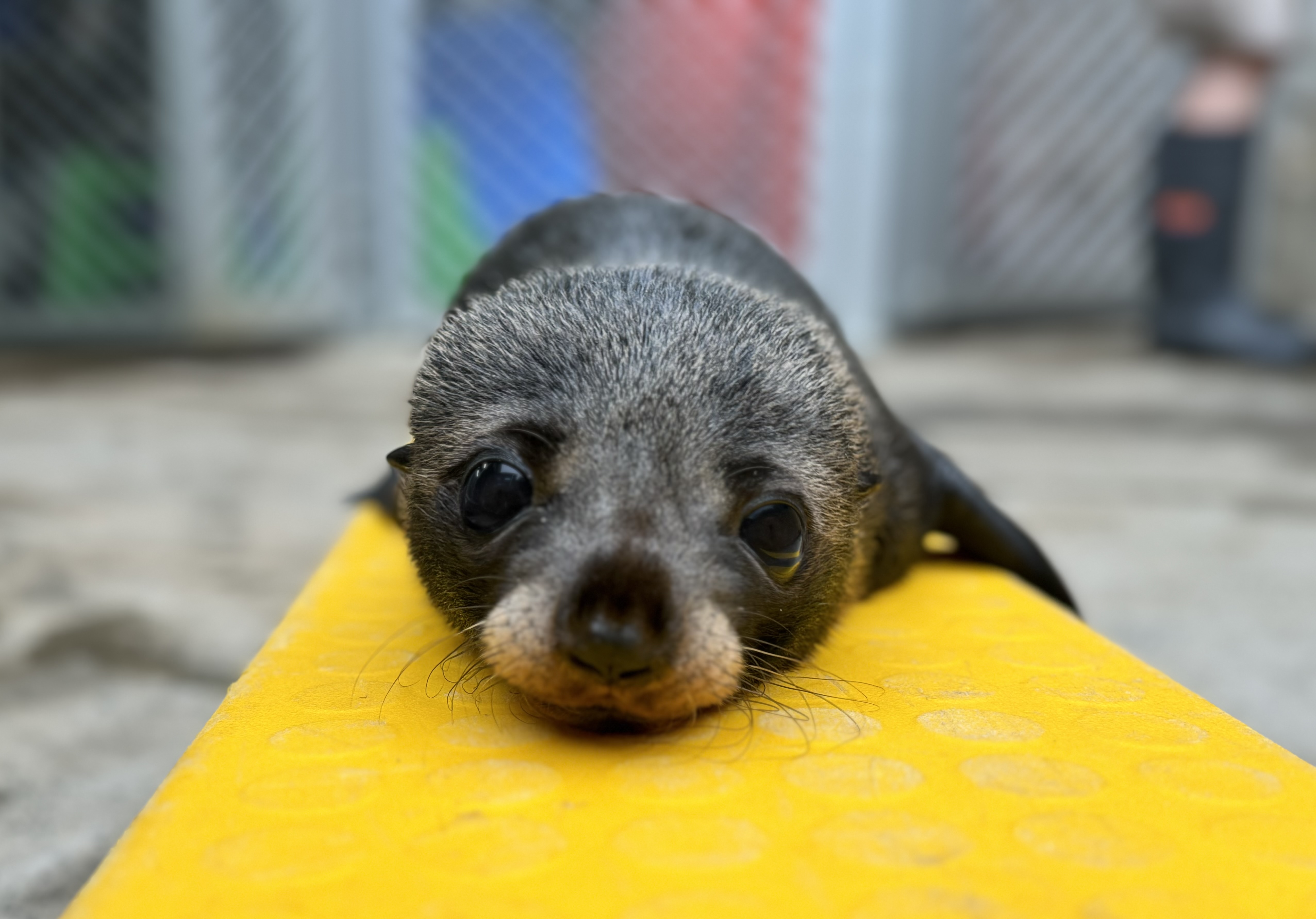
AFTERNOON TEA BREAK
Light refreshments will be provided.
Light refreshments will be provided.
Questions and day 3 wrap up.
Day 4
8:00 AM
8:15 AM
9:45 AM
10:15 AM
12:15 PM
1 PM
1:45 PM
2 PM
2:15 PM
2:30 PM
2:45 PM
3 PM
3:15 PM
3:45 PM
4:45 PM
5:45 PM
Thursday 20th November - Taronga Institute Main Entrance
Welcome
Attendees are to enter via the Taronga Institute of Science and Learning sliding double doors entrance, which is located to the right of the heritage main entrance of Taronga Zoo. Join the ASZK Animal Training Community Committee for day 4 of the conference.
Attendees are to enter via the Taronga Institute of Science and Learning sliding double doors entrance, which is located to the right of the heritage main entrance of Taronga Zoo. Join the ASZK Animal Training Community Committee for day 4 of the conference.
INVITED SPEAKER: Dr. Susan G. Friedman - Owner Behavior Works
Getting to YES! No is Not Enough
As a community, we have had a significant impact on how people interact with animals. Caregivers are much more likely to reward good behavior and seek alternatives to punishment than ever before. Of course, we want more! One outgrowth of this positive trajectory is the observation that learning outcomes and well-being improve when we establish a dialogue with our learners, i.e., when animals are given a “voice” to say no/stop/back away with their behavior. These communications take many behavioral forms from nuanced (a slight lean) to obvious (bared teeth), and they tend to be maintained by negative reinforcement. That is, these behaviors tend to result in escape or avoidance of the aversive (uncomfortable) event. When caregivers listen, we give animals what they want such as distance by stepping back or even ending the training session. This is good, as far as it goes. But then what? How do we get from honoring the “no – don’t” to facilitating the “yes – do”? In this presentation, we will explore the three-path functional assessment model and discuss different approaches for getting to YES!
MORNING TEA BREAK
Light refreshments will be provided.
Light refreshments will be provided.
Invited Speaker Workshops
Our invited speakers bring a wealth of global expertise and hands-on experience to this year’s conference workshops. Conference attendees will be split into four smaller groups for the duration of conference and the groups will rotate through each workshop each day. This ensures all attendees will get an opportunity to attend each workshop.
Dr. Susan G. Friedman Workshop - Critical Conversation Skills - Taronga Zoo Lecture Theatre
“The problem is not the animals, it’s the people!” That’s a common lament! Although we hold dear the value of treating people with the same respect that we expect them to have for their animals, we often lack the full skill set to meet this high standard. Pop psychology puts too much responsibility on the individual for his or behavioral outcomes. From a behavior analysis perspective, we understand that we are a part of each other’s influential environments. This perspective gives us a special opportunity to give feedback to, and receive feedback from, team members, effectively and humanely. This presentation will add tools to your interpersonal toolbox to stay in dialogue, navigate feedback, and achieve desired outcomes even in the face of disagreement, high stakes and strong emotions.
Ken Ramirez Workshop - Success Under All Conditions - Centenary Theatre
Ken Ramirez has spent a lot of his professional career working and consulting in professional environments - where the training results count. While there are many things which contribute to success or failure in these environments, when Ken is called in to help highly skilled trainers achieve the elusive excellence they seek, Ken has found a key that unlocks success more often than anything else.
In the working dog world, in particular, Ken’s clients are practitioners who are skilled, and have been successful, training the target behavior required (explosive detection, search and rescue techniques, guide dog skills, etc.). Beyond that point is where the trouble frequently sets in; the training outcomes fall below the accepted standards, and no one is happy. Similarly, in the zoological world, when trainers are tackling research training of medical training, some of the same issues exist. That’s when they call Ken.
Ken has found that his clients’ primary challenge is moving the behavior into the real world and dealing with the distractions that real life throws their way. This transition - crossing from “laboratory” to real world application is a wide chasm- one that is challenging to cross. It is where some trainers have relied on punishers to prevent the animals from reacting to distractions and help keep them on task – but the fallout from the use of aversive tools has become increasingly clear so trainers are looking more and more for positive alternatives. But even skilled trainers in the field, committed to using positive reinforcement-based training solutions, can struggle with this transition.
Ken has found that he unlocks success by introducing a programmatic focus on the value of better stimulus control achieved through the gradual exposure to unique and changing environments. Through the design of this structured desensitization program involving both stimulus control and generalization techniques - two sides of the same coin- but often compartmentalized - Ken has successfully increased the effectiveness and reliability of working dogs all over the world. A similar process has also been used to improve husbandry training in the zoological community. Teaching animals to expect the unexpected and improving stimulus control through systematic desensitization can revolutionize day to day training in so many professional contexts.
In the working dog world, in particular, Ken’s clients are practitioners who are skilled, and have been successful, training the target behavior required (explosive detection, search and rescue techniques, guide dog skills, etc.). Beyond that point is where the trouble frequently sets in; the training outcomes fall below the accepted standards, and no one is happy. Similarly, in the zoological world, when trainers are tackling research training of medical training, some of the same issues exist. That’s when they call Ken.
Ken has found that his clients’ primary challenge is moving the behavior into the real world and dealing with the distractions that real life throws their way. This transition - crossing from “laboratory” to real world application is a wide chasm- one that is challenging to cross. It is where some trainers have relied on punishers to prevent the animals from reacting to distractions and help keep them on task – but the fallout from the use of aversive tools has become increasingly clear so trainers are looking more and more for positive alternatives. But even skilled trainers in the field, committed to using positive reinforcement-based training solutions, can struggle with this transition.
Ken has found that he unlocks success by introducing a programmatic focus on the value of better stimulus control achieved through the gradual exposure to unique and changing environments. Through the design of this structured desensitization program involving both stimulus control and generalization techniques - two sides of the same coin- but often compartmentalized - Ken has successfully increased the effectiveness and reliability of working dogs all over the world. A similar process has also been used to improve husbandry training in the zoological community. Teaching animals to expect the unexpected and improving stimulus control through systematic desensitization can revolutionize day to day training in so many professional contexts.
Amy Schilz Workshop - Tells: Reading Behavior for Start, Stop, and Continue Signals - Taronga Institute Seminar Rooms 1&2
So often in training, we hear the phrase “select with reinforcement the behaviors you want to see, ignore the behaviors you don’t want to see.” This procedure has been standard for many training programs. In some scenarios, though, it isn’t always the clearest way of communicating with our animal partners. By ignoring unwanted behaviors, you may be missing critical information the animal is trying to provide. What if those “unwanted” behaviors are communicating, “Hey, slow down, I’m not ready for that step!” and we end up ignoring it? In our giraffe training program, we’ve found that when we have ignored some of these small, unwanted behaviors, the result has been escalation of those behaviors, or increased aggression.
In this presentation, we will discuss the way we have created a more open dialogue with our giraffe herd during their individual training sessions. By adjusting our approximations based on what each of the giraffe’s behaviors is telling us, we have created scenarios where each of their behaviors produces desirable outcomes for them. The giraffes can control whether or not we touch them, poke them, brush or pick their hooves, etc. In most cases, the giraffes cue the trainers to start the training interaction. Once we started paying attention to their smaller, overt behaviors (‘tells’, ex: a tail swish), we could move forward much faster, sometimes by taking steps backwards. The end result has been solid behaviors (blood draws, hoof work, injections, x-rays) and more trusting relationships.
Attendees will then get the opportunity to watch videos and decide if the trainer should start, stop, or continue with the approximations based off the animals’ behavior.
In this presentation, we will discuss the way we have created a more open dialogue with our giraffe herd during their individual training sessions. By adjusting our approximations based on what each of the giraffe’s behaviors is telling us, we have created scenarios where each of their behaviors produces desirable outcomes for them. The giraffes can control whether or not we touch them, poke them, brush or pick their hooves, etc. In most cases, the giraffes cue the trainers to start the training interaction. Once we started paying attention to their smaller, overt behaviors (‘tells’, ex: a tail swish), we could move forward much faster, sometimes by taking steps backwards. The end result has been solid behaviors (blood draws, hoof work, injections, x-rays) and more trusting relationships.
Attendees will then get the opportunity to watch videos and decide if the trainer should start, stop, or continue with the approximations based off the animals’ behavior.
Jim Mackie Workshop - Behaviour Workflow - Taronga Institute Guru and Burra Meeting Rooms
Enrichment in zoos can be defined as the behavioural husbandry practice that enhances the physical and psychological well-being of animals by promoting species-typical behaviours.
Traditionally, this approach involved the addition of physical objects to stimulate behaviours. While this form of enrichment has its advantages, its scope is limited, and its effectiveness dependant on many variables. The “Enriched Experiences” Programme, developed by the San Diego Zoo Wildlife Alliance (SDZWA), represents a paradigm shift by focusing on the behavioural output of the entire life cycle of an animal, with a focus on behaviourally diverse habitats, changes in daily care, along with the addition of environmental cues preceding reinforcers.
A presentation preceding the practical workshop will use data collected from several case studies at ZSL London and Whipsnade Zoos, inspired by the SDZWA programme, to demonstrate how the behaviour-first approach has resulted in improvements to ZSLs enrichment programme.
Working collaboratively in small groups, the practical element of the workshop will give delegates the opportunity to create their own behaviour workflows and associated inputs for a chosen species, in an interactive way.
Traditionally, this approach involved the addition of physical objects to stimulate behaviours. While this form of enrichment has its advantages, its scope is limited, and its effectiveness dependant on many variables. The “Enriched Experiences” Programme, developed by the San Diego Zoo Wildlife Alliance (SDZWA), represents a paradigm shift by focusing on the behavioural output of the entire life cycle of an animal, with a focus on behaviourally diverse habitats, changes in daily care, along with the addition of environmental cues preceding reinforcers.
A presentation preceding the practical workshop will use data collected from several case studies at ZSL London and Whipsnade Zoos, inspired by the SDZWA programme, to demonstrate how the behaviour-first approach has resulted in improvements to ZSLs enrichment programme.
Working collaboratively in small groups, the practical element of the workshop will give delegates the opportunity to create their own behaviour workflows and associated inputs for a chosen species, in an interactive way.
LUNCH BREAK
Lunch will be provided.
Lunch will be provided.
Chimpanzee Training Demonstration - Chimpanzee Habitat
Attendees will head down to the chimpanzee habitat to watch an emergency recall training session.
Attendees will head down to the chimpanzee habitat to watch an emergency recall training session.
Rebecca Baldwin - Taronga Zoo
“We Otter Connect” – Building Relationships via Collaborative Contingencies
Asian small-clawed otters (Amblonyx cinereus) are known for their social behaviour, typically forming long-term pair bonds, with females often in the dominant role. While generally sociable, aggression can arise within the group, changing established pairings, and leading to otters becoming outcast.
Enter Taronga Zoo's latest pair of non-breeding otters, Bel, a 13-year-old female, and Aang, a 7-year-old male. Their initial introduction went smoothly, following established methods, and the outlook for their relationship appeared positive. However, two weeks later, they had a serious altercation that left both otters injured and their bond strained. Subsequent attempts to reconcile were unsuccessful. They were ultimately deemed incompatible, with no alternative partners available. We found ourselves brainstorming solutions that not only pushed our creative boundaries, but also adhered to the foundational principles of learning theory.
We needed to find ways to pair the problematic stimulus—otter’s presence—with one that elicits positive behaviours. While systematic desensitisation and counter conditioning were good starting points, we had to ask ourselves: Why is this situation aversive? What behavioural repertoire is missing? And how can we ensure that the behaviours we are establishing continue beyond our presence?
Considering this, we implemented individualised training plans to help the otters develop more adaptive skills, and we also transformed their mesh "howdy" panel into an engagement panel. Making the availability of "collective likes," contingent upon the presence of the other otter. This approach encouraged them to work together to explore enrichment items while collaborating in a shared safe space.
By shifting from a negative reinforcement contingency to a positive reinforcement contingency, we enhanced the emotional experience for both otters, leading to a successful reintroduction. Since it is essential to keep otters in suitable social groups, this success contributed to providing the highest standards of welfare.
Enter Taronga Zoo's latest pair of non-breeding otters, Bel, a 13-year-old female, and Aang, a 7-year-old male. Their initial introduction went smoothly, following established methods, and the outlook for their relationship appeared positive. However, two weeks later, they had a serious altercation that left both otters injured and their bond strained. Subsequent attempts to reconcile were unsuccessful. They were ultimately deemed incompatible, with no alternative partners available. We found ourselves brainstorming solutions that not only pushed our creative boundaries, but also adhered to the foundational principles of learning theory.
We needed to find ways to pair the problematic stimulus—otter’s presence—with one that elicits positive behaviours. While systematic desensitisation and counter conditioning were good starting points, we had to ask ourselves: Why is this situation aversive? What behavioural repertoire is missing? And how can we ensure that the behaviours we are establishing continue beyond our presence?
Considering this, we implemented individualised training plans to help the otters develop more adaptive skills, and we also transformed their mesh "howdy" panel into an engagement panel. Making the availability of "collective likes," contingent upon the presence of the other otter. This approach encouraged them to work together to explore enrichment items while collaborating in a shared safe space.
By shifting from a negative reinforcement contingency to a positive reinforcement contingency, we enhanced the emotional experience for both otters, leading to a successful reintroduction. Since it is essential to keep otters in suitable social groups, this success contributed to providing the highest standards of welfare.
Kristen Mitsios - Zoos Victoria
Blood, Sweat, and Hippos: Innovative Steps for Voluntary Blood Collection in a Pygmy Hippo
Over the last few years, the ungulate team at Melbourne Zoo have been working towards proactive health care of our Pygmy Hippopotamus (Choeropsis liberiensis) using a most positive, least intrusive effective approach. This presentation highlights an innovative approach at Melbourne Zoo, where we successfully trained a pygmy hippo for voluntary blood draws—an achievement that marks the first of it’s kind at the zoo. Using the most positive least intrusive effective training techniques, Felix lead the pace of his training which enabled us to make significant progress in overcoming the historical challenges of blood collection in this species. This presentation will talk through these training processes, challenges, and learnings achieved, including needle placement and effective desensitisation. By integrating voluntary blood collection into Felix's training program, we've gained critical baseline health data, enabling us to make informed, proactive decisions about his care. This approach exemplifies how innovative training methods can lead to significant advancements in animal welfare and learning.
Larissa Young - Sea World Australia
From Subjectivity to Science: Advancing Penguin Welfare through Objective Observation, Goal-Based Enrichment and Behavioural Training.
Innovative approaches to animal welfare require more than new tools – they require new ways of thinking. At Sea World’s Penguin Encounter, home to King and Gentoo Penguins, we transitioned from human-driven assumptions to an animal-led, science-based approach to care. This transformation was achieved through four integrated strategies.
First, we replaced anecdotal reporting with ethogram-based, individual-level observations to ensure objective data across the entire colony. Second, habitat design and daily staff routines were reviewed to support natural behaviours in both staff presence and absence. Third, a goal-based enrichment program, specifically designed for King and Gentoo Penguins, was implemented to encourage species-specific natural behaviours and which continues to evolve based on new observational data. Finally, we established a foundation behaviour training program to encourage cognitive stimulation, support cooperative care, and increase animal choice and control, while avoiding human dependency.
This presentation will demonstrate how shifting from subjective to objective practices improved penguin welfare and laid the foundation for more responsive, data-driven care and innovation for our animals in the future.
First, we replaced anecdotal reporting with ethogram-based, individual-level observations to ensure objective data across the entire colony. Second, habitat design and daily staff routines were reviewed to support natural behaviours in both staff presence and absence. Third, a goal-based enrichment program, specifically designed for King and Gentoo Penguins, was implemented to encourage species-specific natural behaviours and which continues to evolve based on new observational data. Finally, we established a foundation behaviour training program to encourage cognitive stimulation, support cooperative care, and increase animal choice and control, while avoiding human dependency.
This presentation will demonstrate how shifting from subjective to objective practices improved penguin welfare and laid the foundation for more responsive, data-driven care and innovation for our animals in the future.
Deane Jones - Sydney Zoo
Elephant See - Elephant Do
In the realm of innovative approaches to learning, my presentation explores the concept of intransitive imitation in Asian elephants, a critical area that bridges behavioural science and cognitive research. While imitation is widely recognized as a pivotal component of social learning, its complexity often complicates our understanding.
Through the application of the "Do as I Do" procedure, we trained two bull Asian elephants to demonstrate the three levels of intransitive imitation: conditioned behaviours, known behaviours, and the most challenging—novel behaviours. This research reveals not only the remarkable cognitive capabilities of elephants but also expands our understanding of animal learning processes.
By highlighting the elephants’ ability to master intransitive imitation, we contribute to the theme of "Innovative Steps for Leaps in Learning," illuminating new pathways for both scientific inquiry and educational practices regarding nonhuman cognition. This investigation invites reflection on the intricacies of imitation and its implications for the broader field of animal learning and social behavior, ultimately enriching our understanding of elephants and the complexity of their cognitive world.
Through the application of the "Do as I Do" procedure, we trained two bull Asian elephants to demonstrate the three levels of intransitive imitation: conditioned behaviours, known behaviours, and the most challenging—novel behaviours. This research reveals not only the remarkable cognitive capabilities of elephants but also expands our understanding of animal learning processes.
By highlighting the elephants’ ability to master intransitive imitation, we contribute to the theme of "Innovative Steps for Leaps in Learning," illuminating new pathways for both scientific inquiry and educational practices regarding nonhuman cognition. This investigation invites reflection on the intricacies of imitation and its implications for the broader field of animal learning and social behavior, ultimately enriching our understanding of elephants and the complexity of their cognitive world.
Calum Torcasio - Moonlit Sanctuary Wildlife Conservation Park
Dingo Dental Squad: Advancing Voluntary Dental Care in Moonlit’s Dingoes
At Moonlit Sanctuary, we have traditionally relied on natural chewing behaviours - primarily through bone enrichment - alongside voluntary teeth checks to maintain the dental health of our dingoes. When Amber, one of our adult females, developed significant dental issues that led to the need for removal of several teeth and also removing bones from her diet, we needed a new approach.
This led to the development of a voluntary teeth brushing program - a significant step in our dingo care practices. Using shaping and positive reinforcement, we introduced the novel stimuli of a toothbrush and toothpaste, building on Amber’s cooperative care history. Over time, her teeth showed visible improvement in cleanliness, highlighting the welfare benefits of this training.
Encouraged by these results, one of our animal care team members (Siobhan) extended the program to Amber’s sister, Cinder. Despite having what we would label as a more anxious disposition, Cinder also succeeded, supported by our commitment to her agency, choice, and trust during the training process.
Building on this momentum, we tailored similar training plans for our two eldest dingoes, Blaze and Scorch. While they already had foundations in cooperative care, this project marked a meaningful step forward. Starting with a simple chin rest, each animal is progressing at their own pace toward full voluntary participation.
What began as a response to a single animal’s medical need has evolved into an innovative program that strengthens trust, promotes voluntary participation, and sets a new standard for preventive dental care in our canid collection.
This led to the development of a voluntary teeth brushing program - a significant step in our dingo care practices. Using shaping and positive reinforcement, we introduced the novel stimuli of a toothbrush and toothpaste, building on Amber’s cooperative care history. Over time, her teeth showed visible improvement in cleanliness, highlighting the welfare benefits of this training.
Encouraged by these results, one of our animal care team members (Siobhan) extended the program to Amber’s sister, Cinder. Despite having what we would label as a more anxious disposition, Cinder also succeeded, supported by our commitment to her agency, choice, and trust during the training process.
Building on this momentum, we tailored similar training plans for our two eldest dingoes, Blaze and Scorch. While they already had foundations in cooperative care, this project marked a meaningful step forward. Starting with a simple chin rest, each animal is progressing at their own pace toward full voluntary participation.
What began as a response to a single animal’s medical need has evolved into an innovative program that strengthens trust, promotes voluntary participation, and sets a new standard for preventive dental care in our canid collection.
Question Time
AFTERNOON TEA BREAK
Light refreshments will be provided.
Light refreshments will be provided.
Q & A Panel with ASZK Animal Training Community Committee and the Invited Speakers
Join us for an engaging and interactive Q&A session featuring our invited speakers – Dr. Susan G. Friedman, Ken Ramirez, Amy Schilz and Jim Mackie – alongside members of the ASZK Animal Training Community Committee. This session is your chance to ask questions directly, explore key themes from the workshops and presentations. Whether you’re new to the field or a seasoned professional, this session promises to be an inspiring and insightful exchange of ideas.
Conference Wrap Up
Conference Dinner & Awards Ceremony
We’ll wrap up the conference in style with a special celebration evening at Taronga Zoo, including a conference dinner, awards ceremony and a spectacular evening bird show to close out the event.
We’ll wrap up the conference in style with a special celebration evening at Taronga Zoo, including a conference dinner, awards ceremony and a spectacular evening bird show to close out the event.
Additional Events
Join us on November 16 & 21
The 2025 conference will feature two optional events, available at an additional cost.
Participants can register for these add-ons during the conference registration process.
Once you have selected your conference ticket, you will have the opportunity to add these events on the following page.
Participants can register for these add-ons during the conference registration process.
Once you have selected your conference ticket, you will have the opportunity to add these events on the following page.
Special Topics on Learning and Behaviour with Susan G. Friedman
Sunday 16th November
9am - 4pm
ONLY 3 SPOTS REMAINING
9am - 4pm
ONLY 3 SPOTS REMAINING
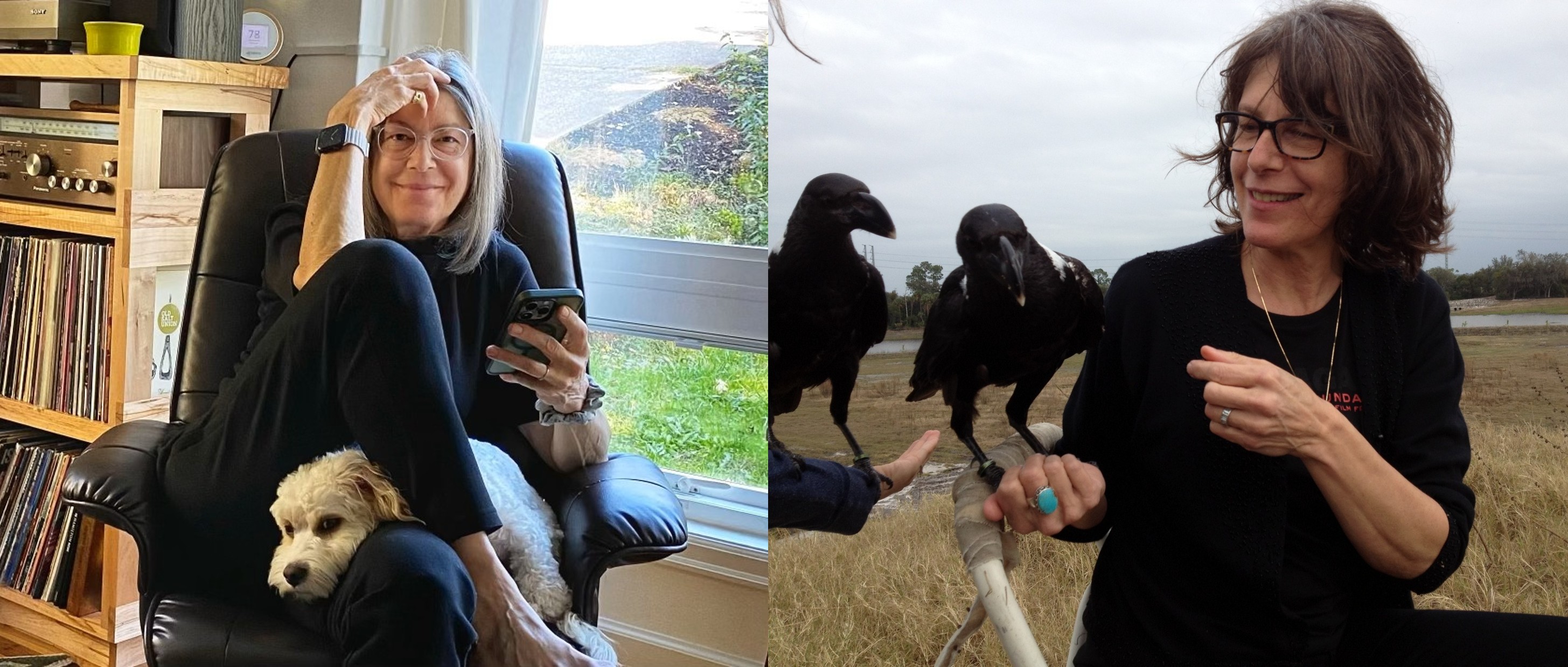
8.30am Registrations Open for Workshop - Taronga Institute Main Entrance
Attendees are to enter via the Taronga Institute of Science and Learning sliding double doors entrance, which is located to the right of the heritage main entrance of Taronga Zoo. It is adjacent to the car park.
Attendees can register for the behaviour workshop and sign in for the conference if it is applicable to them.
9am - 4pm - Susan G. Friedman Special Topics Behaviour Workshop – Taronga Institute
Special topics is an all-day seminar focused on 3 hot topics in the field of behavior-change. Essential level-setting information for all professionals in the zoo and companion animal training space.
1. Control: The Other Primary Reinforcer
Behavior analysis (BA) is the study of the processes by which animals learn, i.e. change their behavior as a result of interacting with the environment. From a behavior analysis perspective, the ability to learn is an evolved tool, part of our biological endowment. Simply, it is our nature to behave for effect – to be effective. Learning and welfare are compromised to the extent that effective behavior is blocked. We can enhance learning and welfare by increasing animals’ control over their valued outcomes. The focus of this talk is an overview of the science-based principles and practices relevant to improving learners’ effectiveness by providing more control, safely and practically.
2. Emotions Inside Out
What does joy feel like to you? Is it the same for the person sitting next to you? Is it the same for the animals in your care? Are emotions pre-wired in the brain or are they learned? Is the topic of emotions even relevant to training animals? These are just a few of the interesting and important questions that surround the topic of emotions. In this session, we will focus on contemporary approaches to understanding emotions with action potential.
3. Why Animals Need Trainers Who Adhere to the Least Intrusive Principle: Improving Animal Welfare and Honing Trainers’ Skills
Negative reinforcement is a bit like a train wreck: You know you should maintain speed and drive past, but you just can’t help slowing down to satisfy your curiosity. Recent interest in basic research on negative reinforcement sets the occasion to check our understanding of why animals need trainers who support the least intrusive principle for selecting behavior-change procedures. In this presentation we will 1) examine the rational for a hierarchy of behavior-change procedures according to the least intrusive principle, 2) consider its impact on animal welfare and trainers' skills, and 3) address concerns with the adoption of this ethical guideline as it applies to the animal training profession.
Day Trip to Sydney Zoo
Friday 21st November
9am - 3pm
SOLD OUT
9am - 3pm
SOLD OUT
Enjoy a day at Sydney Zoo which is located an hour west of Sydney.
Attendees are to meet at the front of Taronga Zoo entrance no later than 8.45AM.
The bus to Sydney Zoo will depart promptly at 9am.
Our expected arrival at Sydney Zoo is 10am.
Sydney Zoo is home to over 4,000 animals, including awe-inspiring and endangered species from all around the world. Take a stroll down the African Boardwalk where you’ll see scenes from the savannah in our remarkable mixed-species habitats, wander down the leafy Primate Boulevard, and be mesmerised by the animals of south-east Asia. Get closer to all your favourite Australian natives in our beautiful open-range Australia habitat, where kangaroos and wallabies hop freely around the meandering pathways.
More information to come on the Sydney Zoo Day Visit soon!
We will depart from Sydney Zoo at approximately 2pm with an expected arrival time back at Taronga Zoo at 3pm.
Attendees are to meet at the front of Taronga Zoo entrance no later than 8.45AM.
The bus to Sydney Zoo will depart promptly at 9am.
Our expected arrival at Sydney Zoo is 10am.
Sydney Zoo is home to over 4,000 animals, including awe-inspiring and endangered species from all around the world. Take a stroll down the African Boardwalk where you’ll see scenes from the savannah in our remarkable mixed-species habitats, wander down the leafy Primate Boulevard, and be mesmerised by the animals of south-east Asia. Get closer to all your favourite Australian natives in our beautiful open-range Australia habitat, where kangaroos and wallabies hop freely around the meandering pathways.
More information to come on the Sydney Zoo Day Visit soon!
We will depart from Sydney Zoo at approximately 2pm with an expected arrival time back at Taronga Zoo at 3pm.
Pricing
A Full Conference ticket includes attendance at:
- Conference Days 1 – 4.
- The icebreaker evening event at Taronga Zoo on Sunday 16th November.
- Day 2 afternoon visit and dinner at SEA LIFE Sydney Aquarium & WILD LIFE Sydney Zoo on Tuesday 18th November.
- Day 4 conference celebration dinner at Taronga Zoo on Thursday 20th November.
There are two additional events - Susan Friedman All-Day Seminar and the Sydney Zoo Visit. Delegates purchasing a full conference ticket are entitled to a discounted rate for the Susan Friedman Seminar. Delegates are to select these add ons after selecting their preferred full conference ticket on the second page of registration.
For organisations wishing to purchase multiple tickets via invoice, please contact Bianca Papadopoulos - [email protected] .
Early Bird Registrations close Sunday 10th August 2025.
After this date, standard rates apply.
FULL CONFERENCE TICKETS
Early Bird Rate | Standard Rate | |
ASZK Member | $880 | $930 |
Non-member + 1 year ASZK membership* | $950* | $1,000* |
| Non-member | $970 | $1,020 |
*Price includes a 1 year full membership - Electronic Thylacinus with ASZK and automatic discounted full conference registration.
This ticket is for attendees that are currently not ASZK members but wish to sign up.*
ADDITIONAL EVENTS FOR FULL CONFERENCE TICKET HOLDERS
Early Bird Rate | Standard Rate | |
Susan Friedman All-Day Seminar | $150 | $200 |
Sydney Zoo Visit | $75 | $100 |
For delegates that purchase a full conference ticket, please select these add ons on the second page of registration. The Susan Friedman seminar is at a discounted rate for full conference delegates.
A LA CARTE TICKETS
The below tickets are for delegates that HAVE NOT purchased a full conference ticket.
The single day entry tickets DOES NOT give you access to the icebreaker, the SEA LIFE visit or the celebration dinner.
These events have to be purchased separately for single day ticket holders.
Early Bird Rate | Standard Rate | |
Single Day ASZK Member | $250 | $300 |
Single Day Non-Member | $350 | $400 |
| Icebreaker | $75 | $100 |
| SEA LIFE Visit | $120 | $170 |
| Celebration Dinner | $150 | $200 |
| Susan Friedman All-Day Seminar | $350 | $400 |
| Sydney Zoo Visit | $75 | $100 |
Early Bird Registrations close Sunday 10th August 2025.
After this date, standard rates apply.
CONFERENCE MERCHANDISE
Merchandise is also available to purchase in the add on section, which is on page 2 of the registration process. There will be limited merchandise available to purchase at the conference, therefore be sure not to miss out and purchase during ticket registration.
Unisex Conference T-Shirts | Conference Baseball Caps | |
Price | $30 | $20 |
Accommodation
The ATC recommends two accommodation options for attendees:
The Retreat at Taronga for a unique on-site experience.
Park Regis Concierge Apartments located nearby with convenient access to the venue.
Both venues have offered discounted rates for conference attendees which are listed below.
Wildlife Retreat at Taronga

Wildlife Retreat at Taronga is located onsite at Taronga Zoo Sydney.
Taronga Zoo Sydney's newest accommodation offering; an elegant Australian eco-retreat where you can revel in the natural beauty of the bushland, and step into a lush sanctuary where koalas and echidnas roam, and platypus swim.
Nestled amongst the natural landscape of Taronga Zoo Sydney, thoughtfully curated designer rooms allow you to overlook bushland, come eye-to-eye with animals or gaze across stunning Sydney Harbour.
Conference guests receive a special discounted conference rate for accommodation booked at the Retreat from the night of Saturday 15th November through to the night of Friday 21st November.
Please enter the code ATC2025 in the promo/discount code box when using the booking button below. This is subject to availability.
Taronga Zoo Sydney's newest accommodation offering; an elegant Australian eco-retreat where you can revel in the natural beauty of the bushland, and step into a lush sanctuary where koalas and echidnas roam, and platypus swim.
Nestled amongst the natural landscape of Taronga Zoo Sydney, thoughtfully curated designer rooms allow you to overlook bushland, come eye-to-eye with animals or gaze across stunning Sydney Harbour.
Your stay includes:
- Exclusive Wildlife Sanctuary Guided Tour
- Complimentary breakfast at Me-Gal Restaurant
- N’Gurra Lounge access with spectacular Sydney views
- Complimentary parking
Conference guests receive a special discounted conference rate for accommodation booked at the Retreat from the night of Saturday 15th November through to the night of Friday 21st November.
Please enter the code ATC2025 in the promo/discount code box when using the booking button below. This is subject to availability.
Park Regis Concierge Apartments

Park Regis Concierge Apartments is located 2.7km away from Taronga Zoo.
Park Regis Concierge Apartments are centrally located on the Lower North Shore, with close proximity to the ever-popular Mosman, Neutral Bay and North Sydney areas, and just a short 12-minute drive from the heart of Sydney.
Just a short 2-minute walk from the Park Regis Concierge Apartments is the bus stop for Route 100 (Taronga Zoo to City QVB Loop Service), which provides direct transport to and from Taronga Zoo. More information on this route can be found here - https://transportnsw.info/routes/details/keolis-downer-northern-beaches/100/29100.
These fully equipped apartments set guests up for a comfortable stay with a kitchenette that features a cooktop, oven, microwave, refrigerator, dishwasher, toaster kettle and cooking utensils. Perfect for self-catering and in room dining each room is equipped crockery, cutlery and glassware.
Every bathroom features a walk-in shower as well as laundry facilities including a washer dryer.
Whether you are staying in our North or South-facing rooms, enjoy natural light from your private Juliette balcony, and wake up to either a view of the Sydney Harbour, Sydney skyline or bustling Cremorne area.
Conference guests receive a special discounted conference rate for accommodation booked at Park Regis Concierge Apartments from the night of Friday 14th November through to the night of Saturday 22nd November.
Please enter the code ASZK2025 in the promo/discount code box when using the booking button below. This is subject to availability.
Park Regis Concierge Apartments are centrally located on the Lower North Shore, with close proximity to the ever-popular Mosman, Neutral Bay and North Sydney areas, and just a short 12-minute drive from the heart of Sydney.
Just a short 2-minute walk from the Park Regis Concierge Apartments is the bus stop for Route 100 (Taronga Zoo to City QVB Loop Service), which provides direct transport to and from Taronga Zoo. More information on this route can be found here - https://transportnsw.info/routes/details/keolis-downer-northern-beaches/100/29100.
These fully equipped apartments set guests up for a comfortable stay with a kitchenette that features a cooktop, oven, microwave, refrigerator, dishwasher, toaster kettle and cooking utensils. Perfect for self-catering and in room dining each room is equipped crockery, cutlery and glassware.
Every bathroom features a walk-in shower as well as laundry facilities including a washer dryer.
Whether you are staying in our North or South-facing rooms, enjoy natural light from your private Juliette balcony, and wake up to either a view of the Sydney Harbour, Sydney skyline or bustling Cremorne area.
Conference guests receive a special discounted conference rate for accommodation booked at Park Regis Concierge Apartments from the night of Friday 14th November through to the night of Saturday 22nd November.
Please enter the code ASZK2025 in the promo/discount code box when using the booking button below. This is subject to availability.
Sponsors
We are proud to partner with our generous sponsors, whose support makes the Australasian Animal Training Conference 2025 possible. Their commitment to advancing animal training, welfare, and professional development helps us bring together world-renowned experts, provide a platform for knowledge sharing, and create an unforgettable experience for delegates. Sponsorship also directly supports our Keeper Development Scholarship, which enables us to invest in sending one to two trainers from our region to attend an international workshop or conference each year. This invaluable opportunity helps build skills, strengthen networks, and bring new ideas back to benefit animals and teams across Australasia. We thank our sponsors for their contribution to both the conference and the future of our profession.

CALL FOR ABSTRACTS
Thank you to everyone who submitted an abstract. We had an overwhelming response and are currently processing the submissions.
Applicants will be notified by Monday 28th July of the outcome of their abstract submission.
Abstracts have now closed.
Join us on November 16
This conference is not to be missed!
Ticket sales close Sunday 2nd November 2025.
Ticket sales close Sunday 2nd November 2025.