CLL Horizons 2026
Barcelona, Spain | 16–18 October 2026
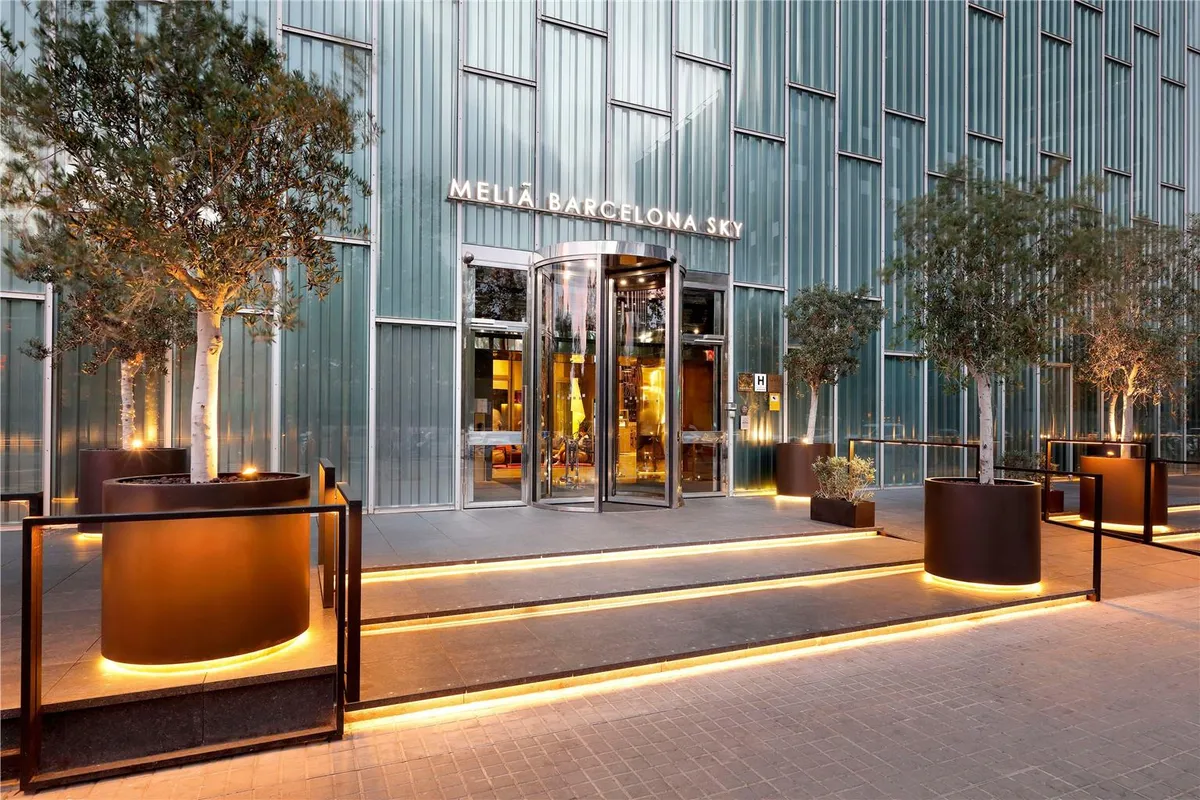
Meliá Barcelona Sky
Meliá Barcelona Sky
Strength in Science, Power in Community
CLL Horizons 2026 will begin on Friday, 16 October 2026 at 12:00 local time and will continue until Sunday, 18 October 2026 at lunchtime.
The conference will take place alongside the ERIC International Meeting, which will be held in Barcelona from 15–17 October 2026, creating opportunities for exchange between the CLL advocacy and clinical communities.
Two satellite events are also planned, with further details to be confirmed.
The overarching theme of CLL Horizons 2026 is “Strength in Science, Power in Community”, aligned with World CLL Day 2026. The programme will be structured around four key session areas:
- Advocacy that protects, support that empowers
- Turning understanding into action
- Every immune system deserves a fighting chance
- Hope, health and hard science
Location
Meliá Barcelona Sky
Carrer de Pere IV, 272, 286, Sant Martí, 08005 Barcelona, Spain
Carrer de Pere IV, 272, 286, Sant Martí, 08005 Barcelona, Spain
Sessions Agenda
Friday 16th October 2026 (Afternoon)
12:00 - 13:00
Welcome reception lunch
Opening plenary - Advocacy that projects, support that empowers
13:00 - 13:55
CLL Advocates Network: Global Projects That Strenghten Members voices
Presentation with Q&A
This session highlights how the CLL Advocates Network (CLLAN) drives impactful, patient‑centered change by equipping advocacy groups with tools, data, and collaborative platforms. It explores how CLLAN’s European global initiatives translate into stronger national and regional advocacy empowering organizations to protest systemic gaps while supporting patients with credible, evidence‑based resources.
14:00 - 14:50
From Survival to Living Well: How Evolving CLL Treatments Are Redefining Advocacy
Presentation, panel discussion with Q&A
This session explores how breakthroughs in CLL therapies — from chemo‑immunotherapy to
targeted agents and time‑limited regimens —have transformed the patient journey. As survival
improves, the role of advocates shifts: from fighting for basic access to fighting for quality of life, long‑term support, and equitable survivorship care.
targeted agents and time‑limited regimens —have transformed the patient journey. As survival
improves, the role of advocates shifts: from fighting for basic access to fighting for quality of life, long‑term support, and equitable survivorship care.
14:50 - 15:10
Coffee Break
15:10 - 16:05
From Lived Experience to System Change: Advocacy That Makes an Impact
Presentation, Panel Discussion with Q&A
Real-world examples of how storytelling and patient-led advocacy have shaped policy, influenced decision-makers, and improved care.
16:10 - 17:05
Amplify Impact: Collaboration Across Diseases, Borders, and Stakeholders
Presentation, Panel Discussion with Q&A
Practical session on how cross‑ collaboration between patient organisations and key stakeholders can expand reach, strengthen protest and advocacy efforts, and build more effective patient-support ecosystems across diseases, regions, and communities.
17:05 - 18:00
Empowering the Newly Diagnosed: Support Models That Build Confidence, and Shared-Decision Making
Panel Discussion / Workshop
Practical frameworks for peer support, coaching, and community-building that strengthen patient agency and support active participation in care decisions.
18:00 - 19:00
Poster Presentation
19:30 - 22:00
Dinner (at hotel)
Saturday 17th October 2026
8:00 - 9:25
Satellite Session
Turning Understanding into Action
9:30 - 10:20
Making Science Work for Patients: Translating Complex CLL Research Into Practical Advocacy Tools
Workshop
A session that shows advocates how to interpret clinical data, treatment guidelines, and trial outcomes — and use that understanding to influence access, reimbursement, and national cancer strategies.
10:20 - 10:35
Coffee Break
10:35 - 11:30
Split Session for large and small organizations
Workshop (split into 2 groups)
For Larger Organizations
Strategic Resource Allocation: Scaling Advocacy Effectively
The Advocate’s Toolkit: Turning Barriers Into Opportunities for Change
A practical session on identifying systemic obstacles (access, affordability, diagnostics, stigma) and using strategic advocacy techniques, such as coalition‑building, storytelling, and evidence‑based arguments to overcome them.
A practical session on identifying systemic obstacles (access, affordability, diagnostics, stigma) and using strategic advocacy techniques, such as coalition‑building, storytelling, and evidence‑based arguments to overcome them.
For Small Organizations:
The Advocate’s Toolkit: Turning Barriers Into Opportunities for Change.
A practical session on identifying systemic obstacles (access, affordability, diagnostics, stigma) and using strategic advocacy techniques like coalition‑building, storytelling, evidence‑based arguments to overcome them.
11:30 - 12:25
Split Session for large and small organizations
Workshop (split into 2 groups)
For Larger Organizations
Advocacy in Motion: Turning Knowledge of CLL Care Gaps Into Real‑World Solutions
To help advocates move from recognizing systemic gaps in CLL care to designing practical, achievable actions that improve patient outcomes in their own countries and contexts.
For Small Organizations:
Advocacy in Motion: Turning Knowledge of CLL Care Gaps Into Real‑World Solutions
To help advocates move from recognizing systemic gaps in CLL care to designing practical, achievable actions that improve patient outcomes in their own countries and contexts.
12:30 - 13:30
Lunch
Every immune system deserve a fighting chance
13:35 - 14:25
CLL Immune System 101 & The Changing Treatment Landscape: How It Works, How It Fails, and Why It Matters Now
Presentation, Panel Discussion with Q&A
An overview of how the healthy immune system works and how it becomes disrupted in CLL, including key concepts such as B- and T-cell dysfunction, hypogammaglobulinemia, and reduced vaccine response. The session also looks at how current therapies influence immune function over time, and what this means for infection risk, recovery, and daily life.
14:25 - 14:40
Coffee Break
14:40 - 16:05
Living With Immune Challenges: Real Patient Perspectives on Navigating Daily Risk
Panel Discussion with Q&A / Plenary Workshop
Bring the science to life through lived experience and highlight the shift from survival to quality of life. The session studies how both clinicians and patients interpret immune risk, The emotional and social cost of chronic infection vigilance, the navigation of workplaces, family life, travel, and community spaces and how advocates can support informed, empowered decision‑making.
16:05 - 17:00
Raising the Profile of Immune Challenges: Advocacy That Protects Quality of Life
Presentation with Q&A
Shift the conversation from mortality to quality of life and elevate immune challenges as a global advocacy priority. The session explores why shifting the discussion to immune health is critical and how to communicate the invisible burden of immune dysfunction. Advocates look at creating campaigns to avoid stigma and building strategies to reach and influence clinicians, policy makers and the public, educating patients.
17:00 - 17:10
Coffee Break
17:10 - 18:00
The Biology of Hope: Understanding CLL at the Cellular Level and What It Means for Future Therapies
Presentation with Q&A
A deep but accessible dive into the science of CLL B‑cells, mutations, microenvironment, resistance pathways, and how this knowledge fuels next‑generation treatments.
19:00
Dinner (Restaurant in Barcelona)
Sunday 18th October 2026
8:00 - 9:25
Satellite Session
Hope, Health and Hard Science
9:30 - 10:35
Global CLL Science Today: What Innovation Looks Like in High‑, Middle‑, and Low‑Resource Settings
Presentation, Panel Discussion with Q&A
A comparative look at how CLL research, diagnostics, and treatment access differ around the world, and how advocates can push for equity without losing sight of scientific realities.
10:35 - 11:25
“Global Voices, Proven Impact: Advocacy Best Practices from Around the World”
Presentation with Q&A
This energizing session spotlights powerful advocacy strategies shared by leaders across the globe. From grassroots mobilization to system-level change, discover adaptable, real-world approaches driving results. Learn how international perspectives can strengthen local action and inspire fresh thinking in your own advocacy experience.
11:25 - 11:40
Break
11:40 - 12:40
The Future Pipeline: Emerging CLL Treatments, Biomarkers, and Global Access Challenges
Presentation, Panel Discussion with Q&A
A forward‑looking session on CAR‑T, biospecifics, next‑gen inhibitors, and precision medicine — paired with a candid discussion about affordability, regulatory timelines, and global disparities.
12:40 - 13:40
Closing the Knowledge Gaps: What the Clinical Community Needs and How Advocates Can Help
Panel Discussion with Q&A
This session looks at where knowledge gaps persist in CLL care and how stronger collaboration between clinicians and patient organizations can help address them, improve understanding, and support better outcomes.
13:40 - 14:00
Closing learnings/ Best Poster Award
14:00 - 15:00
Farewell Lunch