Martin Andrew McGovern, PhD
September 8, 1954 - June 30, 2024
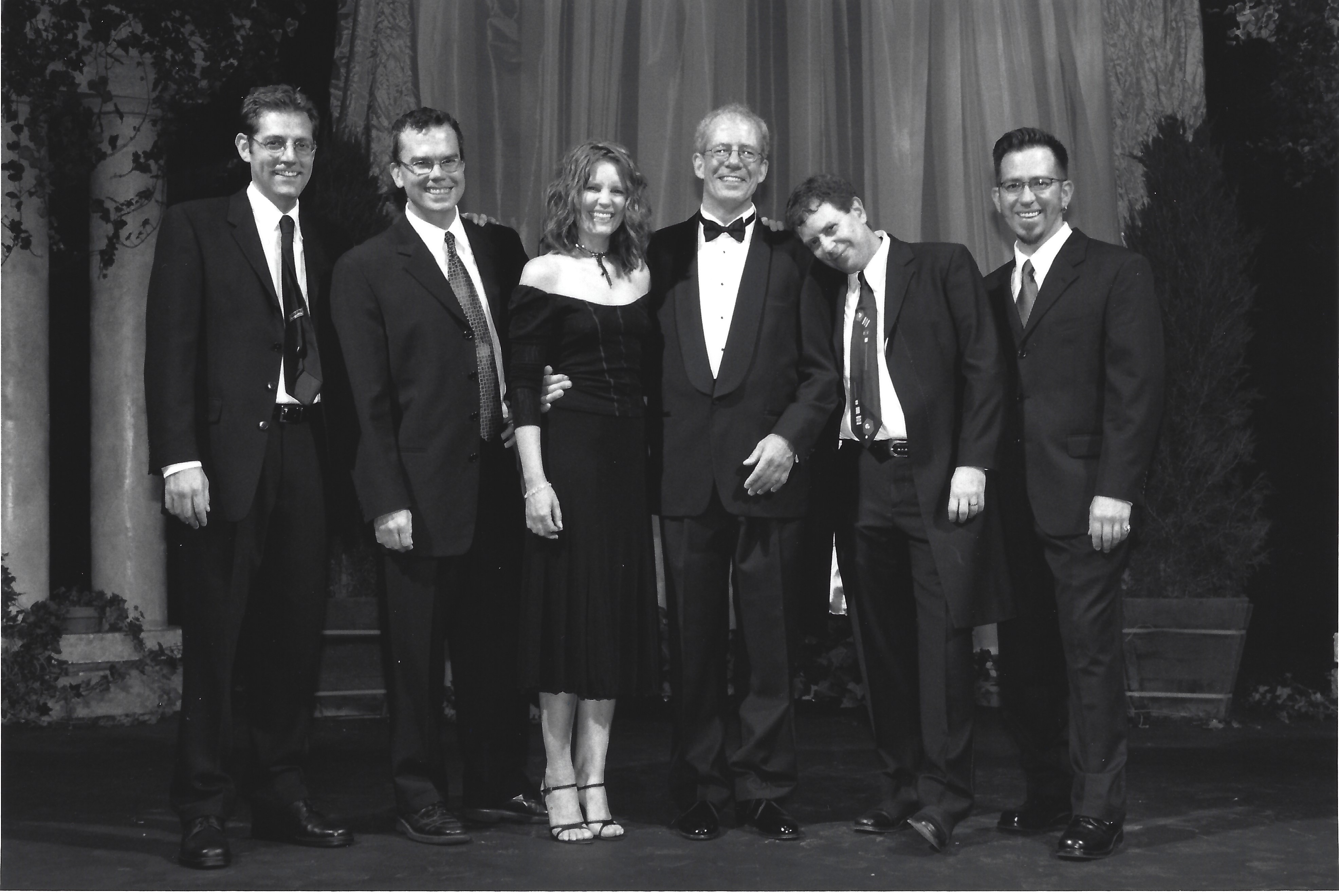
Please join us for Doc's Celebration of life
August 2, 2024
7 PM
Doors open at 6:15
Acoma (Curious) Theater
1080 Acoma St. Denver CO 80204
7 PM
Doors open at 6:15
Acoma (Curious) Theater
1080 Acoma St. Denver CO 80204
Please join us as we honor and celebrate the remarkable life of our dearest Da, Doc, Poet, Playwright, Philosopher, and Beloved Marty. Let's come together to share cherished memories, connect with others, find solace in music, listen to heartfelt speakers, immerse ourselves in poignant poetry, experience a touching film tribute, savor comforting finger foods, and raise a glass in tribute at the cash bar.
We understand that not everyone can attend in person, and we want to make sure everyone has the opportunity to participate. We will be streaming LIVE from the link below:
https://www.youtube.com/live/HeDIyWLuINg
https://www.youtube.com/live/HeDIyWLuINg
Obituary
by David Lazar
Poet, Author, and Marty's oldest and closest friend
Poet, Author, and Marty's oldest and closest friend
Marty McGovern died on June 30, 2024 in Denver. He was sixty-nine years old, and was born
and grew up in Pueblo, Colorado. He was preceded in death by his father, Robert, his mother
Marge (nee Grove), and his brother Bob. The family’s Grove Drug Store was a Pueblo
institution. Survivors included his beloved son, Gabriel McGovern, his brother and sister-in-law,
John and Darleen McGovern, his niece and nephew Devin and Layne McGovern, and ex-wife
Kendra Crain.
Here is part of a poem, by John Berryman, that Marty and I would read to each other over the
phone when we were young. We loved the sense of unstopped grief, and would cry when we
read it together:
I imagine you have heard the terrible news,
that Delmore Schwartz is dead
in New York: he sang me a song
‘I am the Brooklyn poet Delmore Schwartz
Harms and the child I sing, two parents’ torts’
when he was young and gift-strong.
Being young, we could never have imagined a time when we would have to live without each
other. There are many bereft friends left in Marty’s wake, friends who are having trouble to
adjusting to a world without Marty. Trouble could be Marty’s middle name, which was always a
bit cognitively dissonant for a man who was so gentle and self-questioning, so rueful about
himself. But Marty lived, it felt, in pain for many years, pursued by ghosts or demons that he
tried to chase away in ways that sometimes left him even more damaged. Nevertheless, he was
a staunch friend to those close to him. His own problems never undermined his capacity for
sympathy.
Marty was extraordinarily smart and talented. He did masters’ degrees at St. Mary’s College
and Stanford, and his PhD at the University of Houston, where he was one of the most
promising young poets of his cohort, publishing poems in Poetry and elsewhere with the very
best poets of the era. Marty had a scholar’s demeanor and attitude, and in his twenties would
spend days on end just reading: philosophy, poetry, etc. After his years in Houston, he spent
many years working in the theatre in Denver, directing, acting, writing, working to create a
viable performance space at the Acoma Center for the company he co-founded, Ad Hoc.
He was after that the co-founder of the Mile High low residency MFA writing program at Regis
University, where he also taught. The program is ongoing. Marty’s students and the program’s
participants remember him as gently Socratic, self-effacing, funny and brilliant in the breadth of
his knowledge. In public appearances, Marty frequently performed himself as a kind of stand-
up routine. He would pull the rug out from under the self’s certainties, and became a
convincing presence through this essential and controlled modesty.
As a former altar boy, it’s hard to believe that Marty would not be moved by the ceremonies of
grief performed by those who loved and miss him, but it’s hard not to believe that his sense of
the comedy in the taboo would not also have arisen. He appreciated love and loved to find in
the yokes of our rituals, what was amusingly insufficient or strange.
His legacy stands in the many who love and mourn him, in his favorite life’s work: his son
Gabriel, who heads this fall to Columbia College Chicago to study film production, and in his
poetry. His book of poems, Bad Fame, is an astonishingly good collection of lyrics and elegies,
tender, mournful and memorable.
But Marty leaves behind most memorably his Marty-ness, his indelible and unique persona that
we should share the memory of joyfully. Because Martys aren’t common. In fact, this terrible
loss of the wonderful reminds us of how happy we were to have known him, how bereft now
that he’s gone.
The Rainbow Diary by Martin McGovern
It’s summertime. Let’s go everybody. Everybody ready?
A family packing for a trip, three boys, their hair cut
in burrs, the mother holding a camp stool and looking
at the oldest boy who’s looking at the middle boy who’s
looking at the youngest while they duel with fishing rods
and the father looks at the mother. Will they catch many fish?
How much will be spoken? How much will be left unspoken?
See the youngest slit his thigh with the fish knife? Watch
the middle boy, his hand severed by the outboard and drifting
like a small shoe toward the lake bottom. Is the oldest losing
an eye, the iris snagged like a rainbow trout? Is the father
driving their car, with all of them in it, into the river?
Is the mother whispering prayers? How much love can they kill?
How many fish can they catch? How many will they throw back?
How many will get away? See the car fly backward from river
to road? Such a home movie! Watch the boy’s hand turn and swim
back to its wrist and join—how the skin sutures itself!
They’re teasing over dinner. No furies, no sudden danger.
What about hope? What about the blue and yellow and orange
pages of the mother’s journal? “Today, dear diary, another first. . . .”
and grew up in Pueblo, Colorado. He was preceded in death by his father, Robert, his mother
Marge (nee Grove), and his brother Bob. The family’s Grove Drug Store was a Pueblo
institution. Survivors included his beloved son, Gabriel McGovern, his brother and sister-in-law,
John and Darleen McGovern, his niece and nephew Devin and Layne McGovern, and ex-wife
Kendra Crain.
Here is part of a poem, by John Berryman, that Marty and I would read to each other over the
phone when we were young. We loved the sense of unstopped grief, and would cry when we
read it together:
I imagine you have heard the terrible news,
that Delmore Schwartz is dead
in New York: he sang me a song
‘I am the Brooklyn poet Delmore Schwartz
Harms and the child I sing, two parents’ torts’
when he was young and gift-strong.
Being young, we could never have imagined a time when we would have to live without each
other. There are many bereft friends left in Marty’s wake, friends who are having trouble to
adjusting to a world without Marty. Trouble could be Marty’s middle name, which was always a
bit cognitively dissonant for a man who was so gentle and self-questioning, so rueful about
himself. But Marty lived, it felt, in pain for many years, pursued by ghosts or demons that he
tried to chase away in ways that sometimes left him even more damaged. Nevertheless, he was
a staunch friend to those close to him. His own problems never undermined his capacity for
sympathy.
Marty was extraordinarily smart and talented. He did masters’ degrees at St. Mary’s College
and Stanford, and his PhD at the University of Houston, where he was one of the most
promising young poets of his cohort, publishing poems in Poetry and elsewhere with the very
best poets of the era. Marty had a scholar’s demeanor and attitude, and in his twenties would
spend days on end just reading: philosophy, poetry, etc. After his years in Houston, he spent
many years working in the theatre in Denver, directing, acting, writing, working to create a
viable performance space at the Acoma Center for the company he co-founded, Ad Hoc.
He was after that the co-founder of the Mile High low residency MFA writing program at Regis
University, where he also taught. The program is ongoing. Marty’s students and the program’s
participants remember him as gently Socratic, self-effacing, funny and brilliant in the breadth of
his knowledge. In public appearances, Marty frequently performed himself as a kind of stand-
up routine. He would pull the rug out from under the self’s certainties, and became a
convincing presence through this essential and controlled modesty.
As a former altar boy, it’s hard to believe that Marty would not be moved by the ceremonies of
grief performed by those who loved and miss him, but it’s hard not to believe that his sense of
the comedy in the taboo would not also have arisen. He appreciated love and loved to find in
the yokes of our rituals, what was amusingly insufficient or strange.
His legacy stands in the many who love and mourn him, in his favorite life’s work: his son
Gabriel, who heads this fall to Columbia College Chicago to study film production, and in his
poetry. His book of poems, Bad Fame, is an astonishingly good collection of lyrics and elegies,
tender, mournful and memorable.
But Marty leaves behind most memorably his Marty-ness, his indelible and unique persona that
we should share the memory of joyfully. Because Martys aren’t common. In fact, this terrible
loss of the wonderful reminds us of how happy we were to have known him, how bereft now
that he’s gone.
The Rainbow Diary by Martin McGovern
It’s summertime. Let’s go everybody. Everybody ready?
A family packing for a trip, three boys, their hair cut
in burrs, the mother holding a camp stool and looking
at the oldest boy who’s looking at the middle boy who’s
looking at the youngest while they duel with fishing rods
and the father looks at the mother. Will they catch many fish?
How much will be spoken? How much will be left unspoken?
See the youngest slit his thigh with the fish knife? Watch
the middle boy, his hand severed by the outboard and drifting
like a small shoe toward the lake bottom. Is the oldest losing
an eye, the iris snagged like a rainbow trout? Is the father
driving their car, with all of them in it, into the river?
Is the mother whispering prayers? How much love can they kill?
How many fish can they catch? How many will they throw back?
How many will get away? See the car fly backward from river
to road? Such a home movie! Watch the boy’s hand turn and swim
back to its wrist and join—how the skin sutures itself!
They’re teasing over dinner. No furies, no sudden danger.
What about hope? What about the blue and yellow and orange
pages of the mother’s journal? “Today, dear diary, another first. . . .”
Donations
Please consider supporting Gabriel's college fund instead of traditional gifts. Your donation will help him study Film and Media Studies at Columbia Chicago. You can donate online at https://www.gofundme.com/f/support-gabriels-journey-to-columbia send a check to Gabriel McGovern, 8136 E. Fremont Ave., Centennial, CO 80112. Use "Subject Line: Gabriel College Fund" on the check. Thank you for your meaningful gesture.