Location
SUSHISAMBA
Heron Tower
Heron Tower
Date & Time
November 5 2026, 8:00am
Double pledging has become one of the most talked-about fraud risks in securitisation and asset-backed lending. In its simplest form, a loan originator uses the same underlying asset to secure or fund more than one facility at the same time. On a default, lenders who believed they held an exclusive senior claim discover that the collateral is insufficient, already committed elsewhere, or in some cases was never there at all. The reason it can happen is surprisingly simple. Each lender usually sees its own loan tape, its own facility and its own servicer reporting. What it does not see is what the same originator may have pledged, sold or financed elsewhere.
A small number of insolvencies on both sides of the Atlantic have moved the risk from a theoretical tail concern to an active one, and industry surveys now rank it at or near the top of the fraud risks facing the market. Investors and lenders in the room may have had direct exposure to those situations, so the briefing will draw on them only where the structural lesson is clear, rather than revisiting individual transactions.
This briefing brings together investors, originators, arrangers and their advisers to work through what can realistically be verified, by whom and at what point in a transaction. The focus is on how the market moves from discovering problems after the event to building controls that make collateral fraud materially harder to execute in the first place.
in partnership with
ARC Comply is an award-winning technology company specialising in collateral screening, due diligence and fraud detection for securitisation and asset-based lending. Its platform screens entire loan pools to identify double pledging, duplicate or phantom assets, inconsistent loan economics and discrepancies across funding facilities. Using economic fingerprinting, ARC Comply can recognise the same asset even when identifiers, formats or source systems change.
ARC Comply won the Chartis RiskTech100® 2027 Category Award for Collateral Compliance and is part of ARC Group, alongside ARC Ratings and Concept ABS.
sponsored by
Speakers
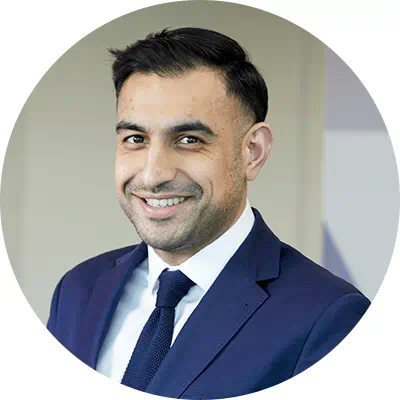
Hassan Ahmad
Debt Capital Markets Director, Together Money

Jason Blick
Counsel, CMS
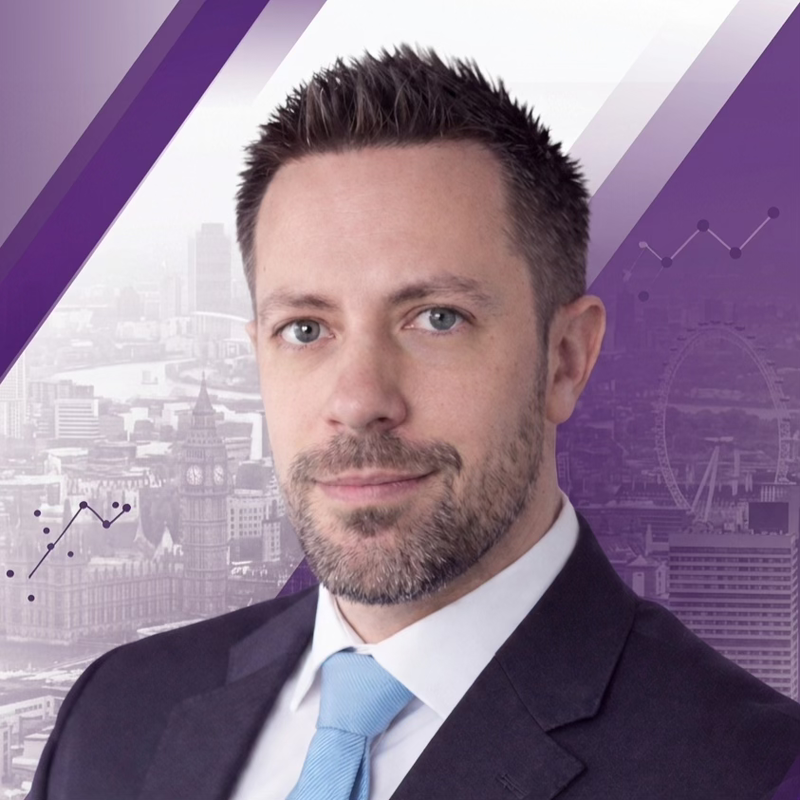
Yoann Bredillot
Executive Director - Securitised Products Group, Natixis
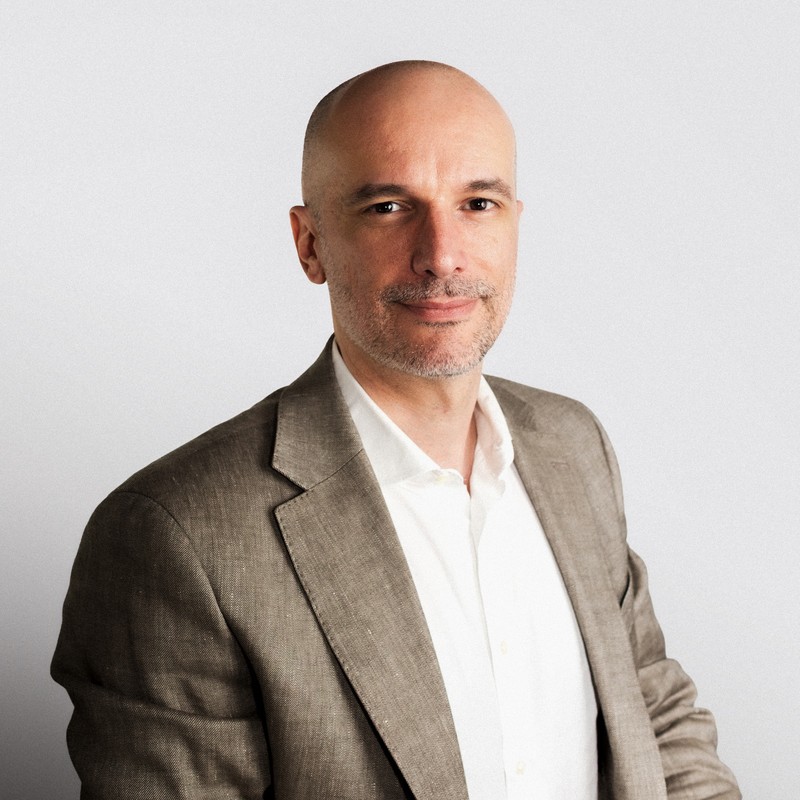
Luca Primerano
CEO, ARC Comply
Schedule
8:00 AM
Registration & Breakfast
8:30 AM
Welcome & Panel Discussion
10:00 AM
Closing Remarks
10:15 AM
Networking
11:00 AM
Close
If you have any questions, please contact [email protected]