On Demand Webinars
Dr Ahmed Mataria DDS
Dr Ahmed Mataria DDS

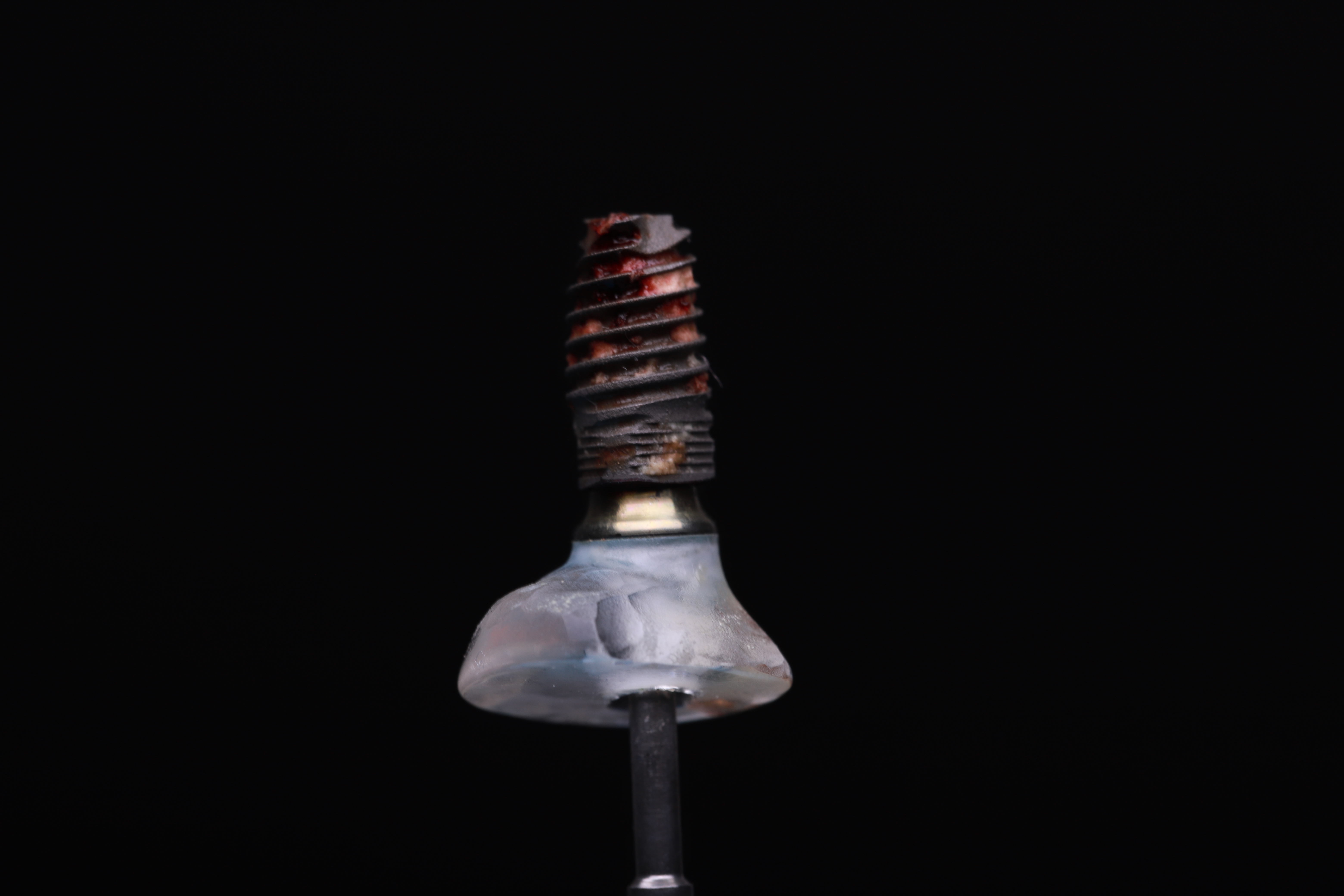
#1 -Why Immediate Implants Fail Even With “Perfect” Primary Stability.
A Clinical Masterclass on System Selection, Implant Size, Drilling Protocols, Diagnosis and Management of Failures
Join us on Sunday May 17 at 10:00 Pacific
-Will be emailed to you if you can't attend Live !
-Will be emailed to you if you can't attend Live !
Immediate implant cases are often made to look simple—place the implant, achieve primary stability, and proceed. But in reality, that’s exactly where most failures begin. Even when primary stability looks perfect, implants still fail because of poor system selection, incorrect sizing, drilling mistakes, and misjudged loading decisions. These are the factors that are rarely taught clearly—but they determine success or failure in immediate cases.
In this webinar, you’ll learn a practical, decision-based approach to immediate implants that goes far beyond stability. You’ll understand how to choose the right implant system and size for each socket, how to optimize your drilling protocol for real-world conditions, and how these choices directly impact outcomes.
We’ll also break down one of the most misunderstood clinical decisions—when and how to load immediately. You’ll learn when to use a custom healing abutment versus a provisional restoration, what actually drives that decision beyond occlusion and stability, and why “good primary stability” alone is not enough to guarantee success.
Finally, you’ll see how to recognize early failure, understand why it happens even in ideal cases, and how to differentiate between clinical planning errors and patient-related complications.
This is a practical, experience-based framework designed to help you reduce failures, improve predictability, and make confident clinical decisions in immediate implant dentistry.
Key Takeaways
• How to select the correct implant system and size for immediate cases
• How to optimize drilling protocols to achieve reliable primary stability
• When and how to choose immediate loading with a custom healing abutment vs. provisional restoration
• What truly drives loading decisions beyond occlusion and primary stability
• Why implants fail even with excellent stability—and how to prevent it
• How to recognize early failure and manage complications effectively
• How to distinguish patient-related complications from clinical decision errors
Join us and save yourself and your patients form failure.
In this webinar, you’ll learn a practical, decision-based approach to immediate implants that goes far beyond stability. You’ll understand how to choose the right implant system and size for each socket, how to optimize your drilling protocol for real-world conditions, and how these choices directly impact outcomes.
We’ll also break down one of the most misunderstood clinical decisions—when and how to load immediately. You’ll learn when to use a custom healing abutment versus a provisional restoration, what actually drives that decision beyond occlusion and stability, and why “good primary stability” alone is not enough to guarantee success.
Finally, you’ll see how to recognize early failure, understand why it happens even in ideal cases, and how to differentiate between clinical planning errors and patient-related complications.
This is a practical, experience-based framework designed to help you reduce failures, improve predictability, and make confident clinical decisions in immediate implant dentistry.
Key Takeaways
• How to select the correct implant system and size for immediate cases
• How to optimize drilling protocols to achieve reliable primary stability
• When and how to choose immediate loading with a custom healing abutment vs. provisional restoration
• What truly drives loading decisions beyond occlusion and primary stability
• Why implants fail even with excellent stability—and how to prevent it
• How to recognize early failure and manage complications effectively
• How to distinguish patient-related complications from clinical decision errors
Join us and save yourself and your patients form failure.
Location
ONLINE
Date & Time
MAY 17 , 2026, 10 AM PCT
AVAILABLE ON DEMAND AFTER
FEE: $199
AVAILABLE ON DEMAND AFTER
FEE: $199
#2 Tissue Grafting Around Implants, Why & When?
A Clinical Decision-Making Approach Join us on January 25 - Will be emailed to you if you cant attend Live !
Ever wondered…
We begin by building the foundation:
- When do I really need to graft soft tissue before implant placement?
- Should I perform a free gingival graft or a connective tissue graft — and why?
- Why is attached keratinized tissue so important around implants?
- When should I consider preforming a vestibuloplasty, Kazanjian flap , Palacci flap , modified roll, transpositional flaps , Slide and steal, CAF, APF and what is the best way to uncover each case ?
- How can I recreate papilla during implant uncovery?
- How about immediate , when should i graft and why?
- If you’ve asked yourself any of these questions in daily practice, this webinar is for you.
We begin by building the foundation:
- Understanding soft tissue biology and the function of each tissue layer
- Defining the soft tissue requirements around dental implants
- Reviewing the procedures available to manipulate peri-implant soft tissue
- Only after truly understanding these principles will we answer the key clinical questions through real clinical scenarios and case-based discussion, including:
- When to graft in delayed sites before placement
- When to incorporate grafting during delayed implant placement
- When to graft after uncovery and how to choose the right technique to uncover without grafting
- When and why to graft in immediate implant cases
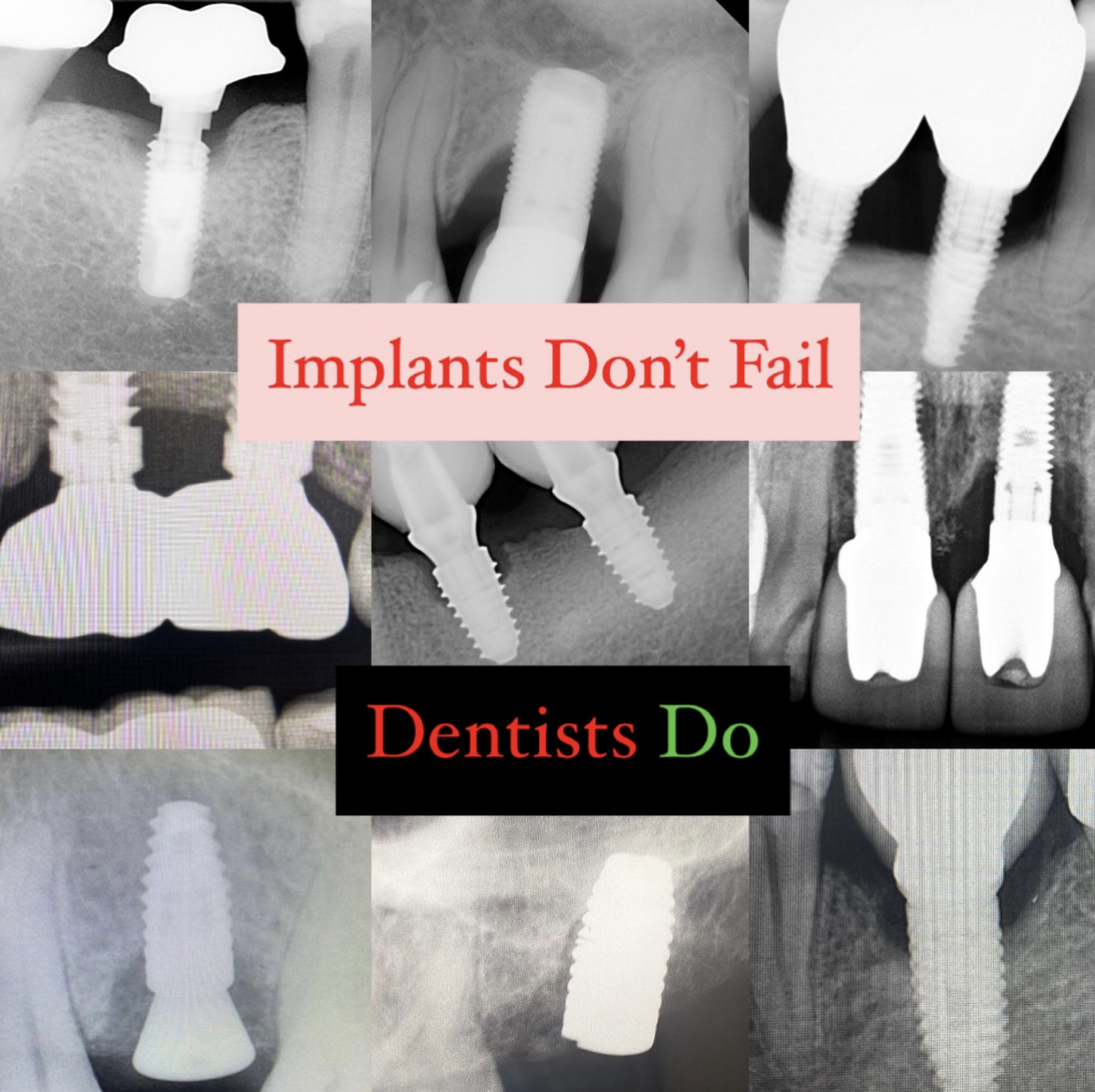
#3 Implants Don’t Fail—Dentists Do: The Truth About Implant Failure
in the world of implant dentistry, failure is often dismissed as biology’s fault — poor bone, bad hygiene, patient non-compliance. But the truth is uncomfortable: implant failures are almost always the dentist’s fault.
When planned and executed correctly, an implant restoration should be virtually indestructible — even by the patient. Failures happen when we, as clinicians, don’t fully understand the biological and biomechanical demands of the system. From bone preservation to prosthetic design, every step either protects the implant or sets it up for long-term trouble.
This webinar challenges you to stop accepting implant complications as normal. We’ll explore why failures really happen, why blaming the patient is a clinical blind spot, and how only with true understanding of bone physiology, loading forces, and soft tissue stability can we consistently deliver results that last. Our discussion will challenge the traditional excuses and offers a fresh perspective, You'll learn why implant failures occur, how to recognize the warning signs before it's too late, and what you can do to protect your results long-term. Whether you're placing implants or restoring them, this session will give you critical insights to elevate your clinical success and reduce complications.
When planned and executed correctly, an implant restoration should be virtually indestructible — even by the patient. Failures happen when we, as clinicians, don’t fully understand the biological and biomechanical demands of the system. From bone preservation to prosthetic design, every step either protects the implant or sets it up for long-term trouble.
This webinar challenges you to stop accepting implant complications as normal. We’ll explore why failures really happen, why blaming the patient is a clinical blind spot, and how only with true understanding of bone physiology, loading forces, and soft tissue stability can we consistently deliver results that last. Our discussion will challenge the traditional excuses and offers a fresh perspective, You'll learn why implant failures occur, how to recognize the warning signs before it's too late, and what you can do to protect your results long-term. Whether you're placing implants or restoring them, this session will give you critical insights to elevate your clinical success and reduce complications.
Location
ONLINE
Date & Time
On Demand
A LINK WILL BE PROVIDED FOR YOU UPON PURCHASE
TUITION: $199
A LINK WILL BE PROVIDED FOR YOU UPON PURCHASE
TUITION: $199
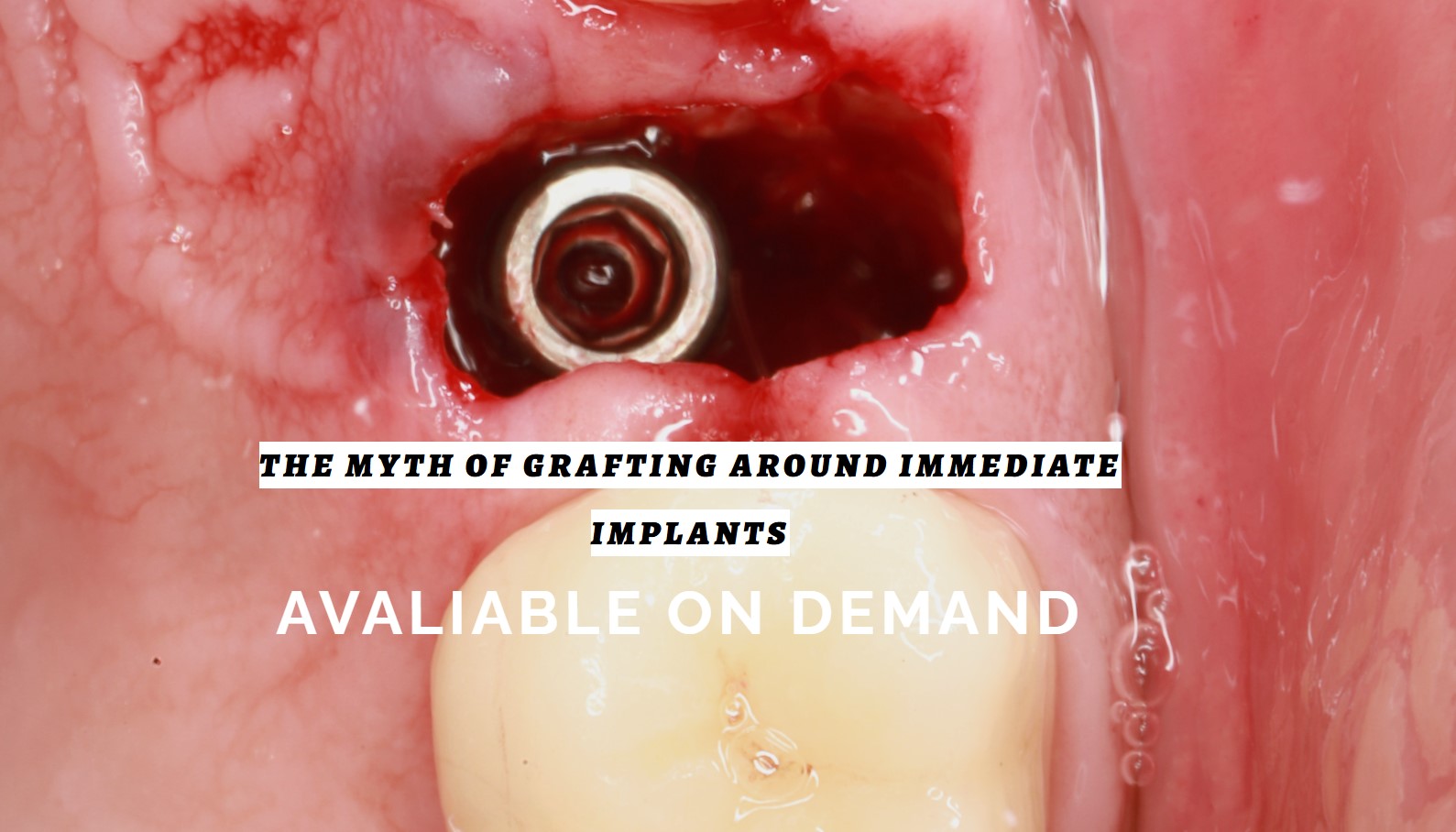
#4 The Myth of Grafting Around Implants
Join us!
Every case we see today seems to always involve hard tissue and often soft tissue augmentation, even in the posterior region. This raises important questions: Is bone grafting really necessary? Are tissue grafts essential? What clinical research exists to guide our decisions? What factors should I evaluate to determine when to utilize a graft and when to avoid it?
What if I told you that I transitioned from grafting every case to rarely using grafts, all while achieving better outcomes?
Join me to explore these topics, relieve yourself of the complexities associated with grafting, and consider the potential savings from not needing to purchase biomaterials.
Dr. Mataria
What if I told you that I transitioned from grafting every case to rarely using grafts, all while achieving better outcomes?
Join me to explore these topics, relieve yourself of the complexities associated with grafting, and consider the potential savings from not needing to purchase biomaterials.
Dr. Mataria
#5 Crown Cementation over Bone Augmentation
Join us!
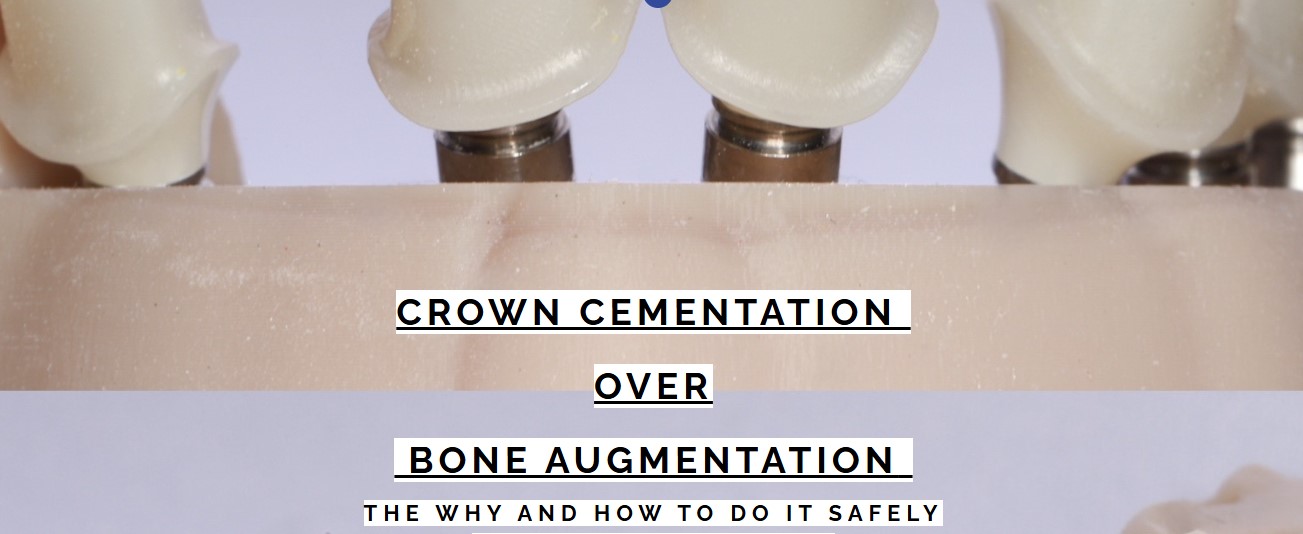
Over the past decade, a significant shift in implantology has occurred, with a focus on prosthetically-driven approaches aimed at addressing the primary cause of implant failure: cement remnants. While this shift may seem logical, it has led to increased demand for bone augmentation in many delayed cases and the avoidance of immediate treatments in some instances to ensure screw-retained restorations. This has resulted in longer treatment times, higher costs, more complications, and added discomfort for our patients.
It begs the question: Is there a better way? Can we safely use cement to secure a restoration, avoiding the need for bone augmentation and complex surgeries, or even provide immediate treatment without the constraints of screw-retained designs?
In this webinar, we'll explore how to cement restorations safely, freeing both you and your patients from the risks of bone augmentation, major surgeries, and increased costs. Additionally, what if I told you that cementing a bridge offers superior benefits compared to screw-retained solutions? We will dive into the advantages of cementation for both FPDs (Fixed Partial Dentures) and single crowns, showing you how to do it safely and effectively. Plus, we will discuss why cementing can be a superior option compared to using an angled screw channel (ASC).
Don’t miss out on this valuable opportunity to enhance your skills—sign up now and join us for this informative webinar!
Objectives :
1. Understand different implant connections and their applications.
2. Differentiate between the engagement zone and anti-rotation zone in implants.
3. Learn about connection modifications for fixed partial dentures (FPD) based on implant angulation and how to address them.
4. Determine when to use a custom zirconia abutment versus a monolithic titanium custom abutment.
5. Explore safe cementation techniques without the stress
6. Understand J margins, their advantages, and the best timing for cementation.
7. Learn the proper technique for cementing zirconia to zirconia, or zirconia to Emax and other materials.
8. Discuss why intraoral cementation is recommended for anterior restorations, even for single units.
9. Review the concept of Angles screw channel abutments (ASCs), their purpose, and why they are no longer recommended.
10. Examine various restorative materials currently available on the market.
It begs the question: Is there a better way? Can we safely use cement to secure a restoration, avoiding the need for bone augmentation and complex surgeries, or even provide immediate treatment without the constraints of screw-retained designs?
In this webinar, we'll explore how to cement restorations safely, freeing both you and your patients from the risks of bone augmentation, major surgeries, and increased costs. Additionally, what if I told you that cementing a bridge offers superior benefits compared to screw-retained solutions? We will dive into the advantages of cementation for both FPDs (Fixed Partial Dentures) and single crowns, showing you how to do it safely and effectively. Plus, we will discuss why cementing can be a superior option compared to using an angled screw channel (ASC).
Don’t miss out on this valuable opportunity to enhance your skills—sign up now and join us for this informative webinar!
Objectives :
1. Understand different implant connections and their applications.
2. Differentiate between the engagement zone and anti-rotation zone in implants.
3. Learn about connection modifications for fixed partial dentures (FPD) based on implant angulation and how to address them.
4. Determine when to use a custom zirconia abutment versus a monolithic titanium custom abutment.
5. Explore safe cementation techniques without the stress
6. Understand J margins, their advantages, and the best timing for cementation.
7. Learn the proper technique for cementing zirconia to zirconia, or zirconia to Emax and other materials.
8. Discuss why intraoral cementation is recommended for anterior restorations, even for single units.
9. Review the concept of Angles screw channel abutments (ASCs), their purpose, and why they are no longer recommended.
10. Examine various restorative materials currently available on the market.
Location
ONLINE
Date & Time
A LINK WILL BE PROVIDED FOR YOU UPON PURCHASE
TUITION: $199
TUITION: $199
Speaker
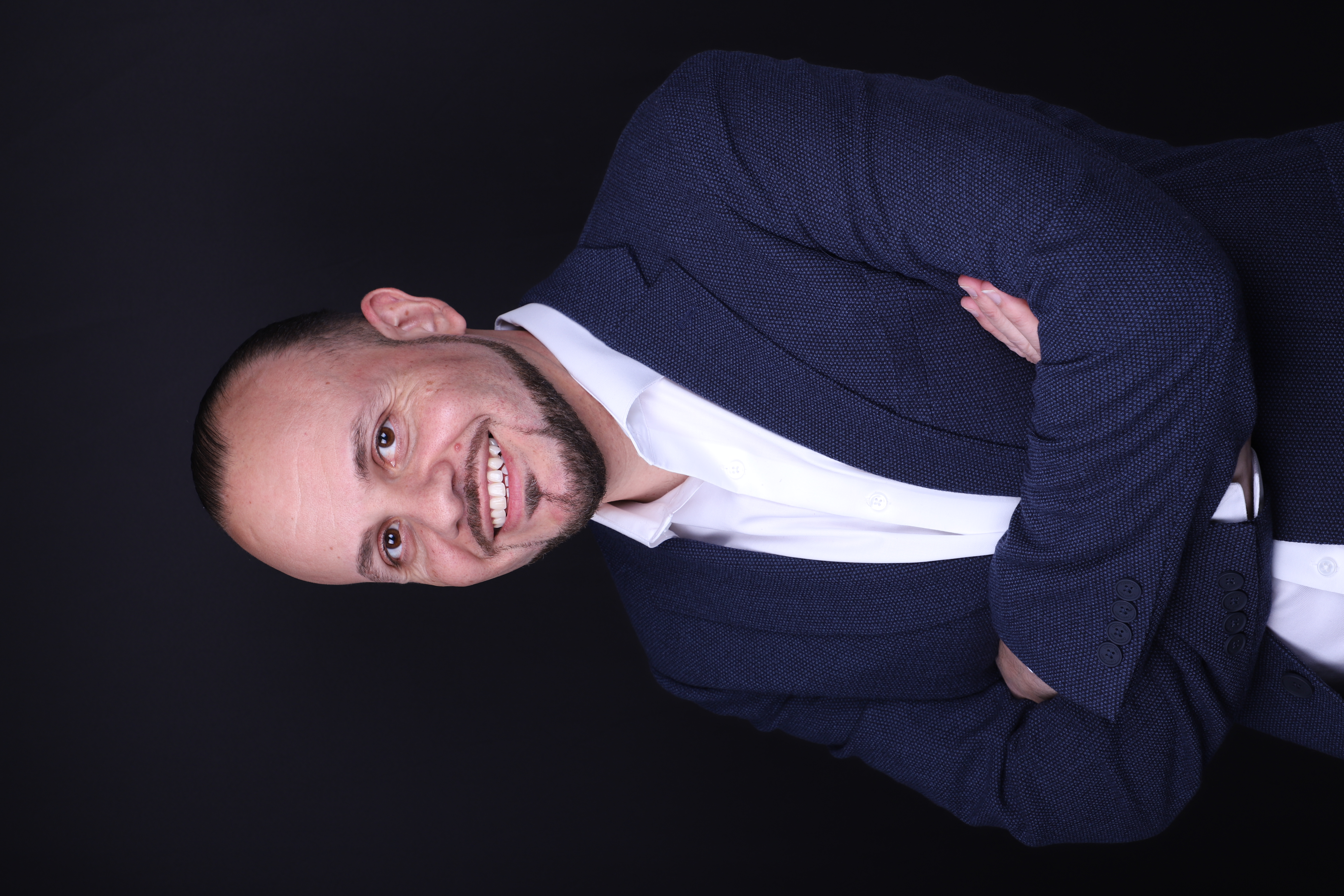
Ahmed Mataria
DDS
We Experience Fear When We Lack Proper Knowledge, But Through Education and Practice, We Can Accomplish Anything
Dr. Ahmed Mataria earned his Doctor of Dental Surgery degree from the University of Detroit Mercy in 2009. He went on to establish several successful dental practices in the Chicago area, where his focus naturally evolved toward implant reconstruction and regenerative dentistry.
Committed to excellence, Dr. Mataria has completed extensive continuing education and advanced fellowships, including multiple hands-on programs in the Dominican Republic. He later expanded his practice to Los Angeles, where he now limits his work exclusively to implant dentistry—handling complex referral cases, managing failed implants, and emphasizing biological, metal-free implant solutions.
With advanced training in vertical augmentation, soft tissue grafting, full-arch restorations with immediate loading, Khoury technique, Partial Extraction Therapy (P.E.T), and Platelet-Rich Fibrin (PRF), Dr. Mataria brings both precision and artistry to every case.
Dr. Mataria has placed thousands of implants throughout his career and continues to balance private practice between Los Angeles and Chicago.
He is the founder of 6X6 Dental Lab, Through this fully digital lab, Dr. Mataria helps clinicians plan, design, and fabricate surgical guides and restorations—ensuring predictable results and complete biological harmony.