What Is FASI 2026?
MenuTrinfo® is proud to host the 7th Annual Food Allergy Symposium for Industry (FASI)—now elevated and expanded for 2026. This year, MenuTrinfo is bringing together top leaders across the food allergy, foodservice, dining, and manufacturing sectors for an unparalleled industry-only summit dedicated to strengthening food allergy safety nationwide.
FASI 2026 will deliver two powerful days of education, innovation, and collaboration—featuring national experts, physicians, lawyers, operators, regulatory voices, researchers, and real-world practitioners who are shaping the future of safe dining. Designed specifically for hospitality and food industry professionals, this summit offers an extraordinary opportunity to learn best practices, ask hard questions, hear emerging research, and discover the tools and systems that drive safer operations for every guest.
The 2026 Symposium will take place in-person at Boston University in Boston, MA on March 10–11, 2026.
Who Should Attend?
FASI 2026 is an industry-exclusive event. Attendance is reserved for verified professionals working within:
FASI 2026 is exclusively for industry professionals. A valid work email is required at registration to verify eligibility. Those who support the food industry may attend through sponsorship, and all vendors must be registered sponsors. See below for more information.
MenuTrinfo® is proud to host the 7th Annual Food Allergy Symposium for Industry (FASI)—now elevated and expanded for 2026. This year, MenuTrinfo is bringing together top leaders across the food allergy, foodservice, dining, and manufacturing sectors for an unparalleled industry-only summit dedicated to strengthening food allergy safety nationwide.
FASI 2026 will deliver two powerful days of education, innovation, and collaboration—featuring national experts, physicians, lawyers, operators, regulatory voices, researchers, and real-world practitioners who are shaping the future of safe dining. Designed specifically for hospitality and food industry professionals, this summit offers an extraordinary opportunity to learn best practices, ask hard questions, hear emerging research, and discover the tools and systems that drive safer operations for every guest.
The 2026 Symposium will take place in-person at Boston University in Boston, MA on March 10–11, 2026.
Who Should Attend?
FASI 2026 is an industry-exclusive event. Attendance is reserved for verified professionals working within:
- Foodservice & Hospitality Professionals
- Food Allergy and Executive Chefs
- College & University RDs and Operations Professionals
- QA Leaders in Restaurant Groups
- Managed Services - Corporate Contract Dining
- CPG Manufacturing
- Retail & Grocery QA Professionals
- Training, Compliance & Regulatory Affairs
FASI 2026 is exclusively for industry professionals. A valid work email is required at registration to verify eligibility. Those who support the food industry may attend through sponsorship, and all vendors must be registered sponsors. See below for more information.
Location:
Boston University
775 Commonwealth Avenue George Sherman Union, Boston MA 02215
775 Commonwealth Avenue George Sherman Union, Boston MA 02215
FASI main Conference
Date & Time:
Date & Time:
March 10 & 11, 2026
8 AM - 5 PM
8 AM - 5 PM
FASI
PRE-CONFERENCE
DATE & TIME:
March 9, 2026
10 AM - 4 PM
PRE-CONFERENCE
DATE & TIME:
March 9, 2026
10 AM - 4 PM
Pre-Conference Event Monday March 9th
Certified AllerTrainer Advanced Professional (CAAP)
Corporate Sponsorship & Exhibitor Opportunities
Speakers
Get ready to be inspired.
The 7th Annual Food Allergy Symposium for Industry (FASI) is bringing together some of the most influential voices in food safety, allergen management, dining innovation, and regulatory leadership. Our speakers always represent the best of academia, industry, operations, and advocacy—each one bringing powerful insights, real-world experience, and breakthrough ideas.
Here are our confirmed speakers so far with more coming soon........
The 7th Annual Food Allergy Symposium for Industry (FASI) is bringing together some of the most influential voices in food safety, allergen management, dining innovation, and regulatory leadership. Our speakers always represent the best of academia, industry, operations, and advocacy—each one bringing powerful insights, real-world experience, and breakthrough ideas.
Here are our confirmed speakers so far with more coming soon........

Dr. Ruchi Gupta
MD, MPH
Ruchi Gupta, MD, MPH, is a Professor of Pediatrics and Medicine at Northwestern University Feinberg School of Medicine and a Clinical Attending at Ann & Robert H. Lurie Children’s Hospital of Chicago. Dr. Gupta has 20 years of experience as a board-certified pediatrician and health researcher and currently serves as the founding director of the Center for Food Allergy & Asthma Research (CFAAR).

Mary Vargas, JD
attorney at law
Mary Vargas is a partner with Stein & Vargas, LLP based in Washington, DC. where she engages in nationwide impact litigation in federal courts on behalf of individuals with disabilities who experience discrimination. Vargas represents individuals with disabilities in matters filed pursuant to the Americans with Disabilities Act. Vargas has a special interest in discrimination against individuals with food allergies and celiac disease.

Dr Michael Pistiner
Md, mmsc
Dr. Michael Pistiner is a nationally recognized pediatric allergist, educator, and food allergy prevention expert dedicated to improving the safety and quality of life for children and families managing food allergies. He serves as the Director of Food Allergy Advocacy, Education, and Prevention at Mass General for Children, where he leads many innovative programs.
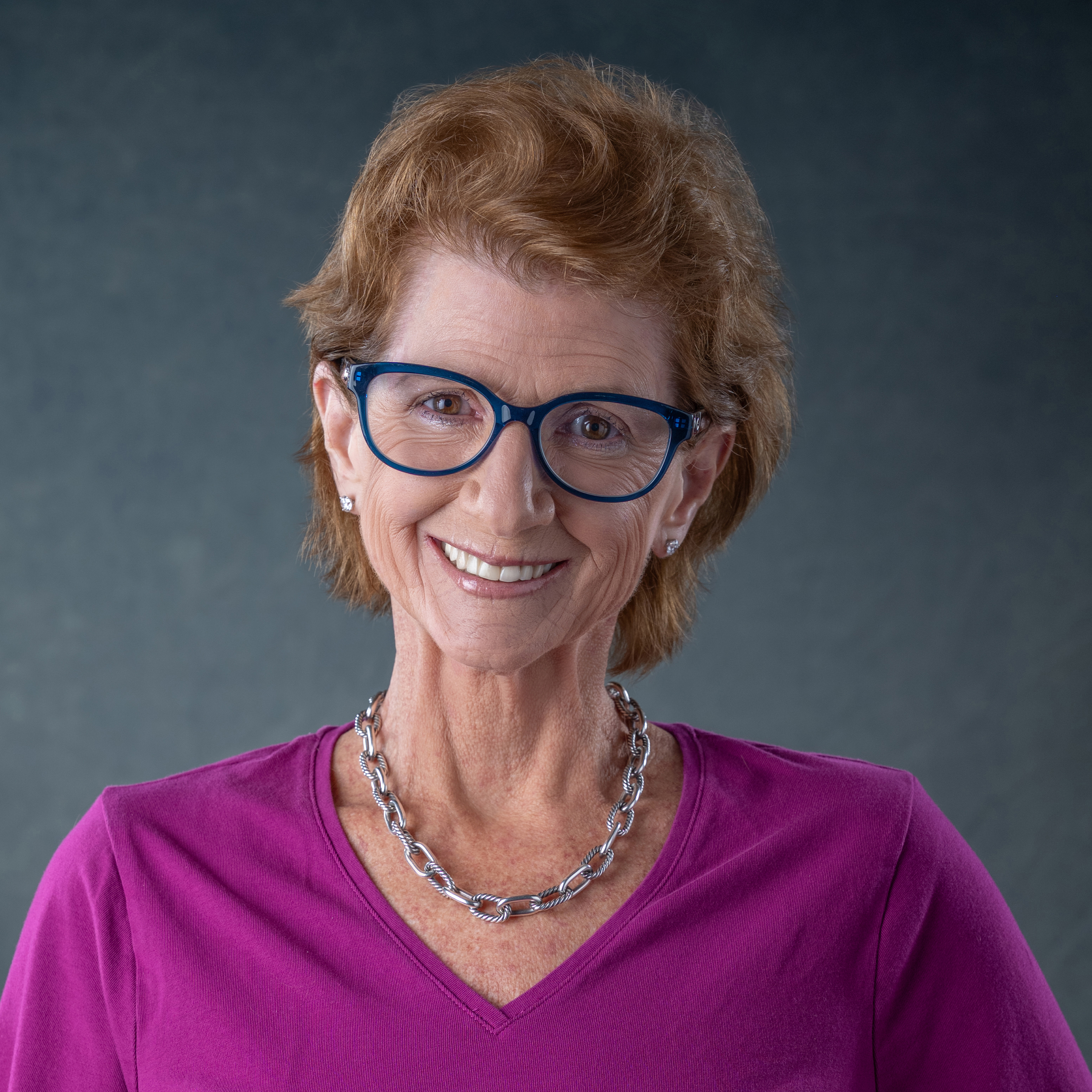
Betsy Craig
CEO & FOUNDER of MenuTrinfo®
An industry leader in food allergen safety, nutrition transparency, and “free from” certification. Through her visionary leadership, MenuTrinfo’s Certified Free From™ (CFF) program—ISO 17065 accredited—has become the gold standard for verifying consumer-packaged goods and foodservice operations as free from the Top 9 allergens, gluten, and colors or additives.
Betsy collaborates with FAACT, FARE, NACUFS, CFP, and IAFP, shaping the future of allergen management and clean-label integrity.
Betsy collaborates with FAACT, FARE, NACUFS, CFP, and IAFP, shaping the future of allergen management and clean-label integrity.
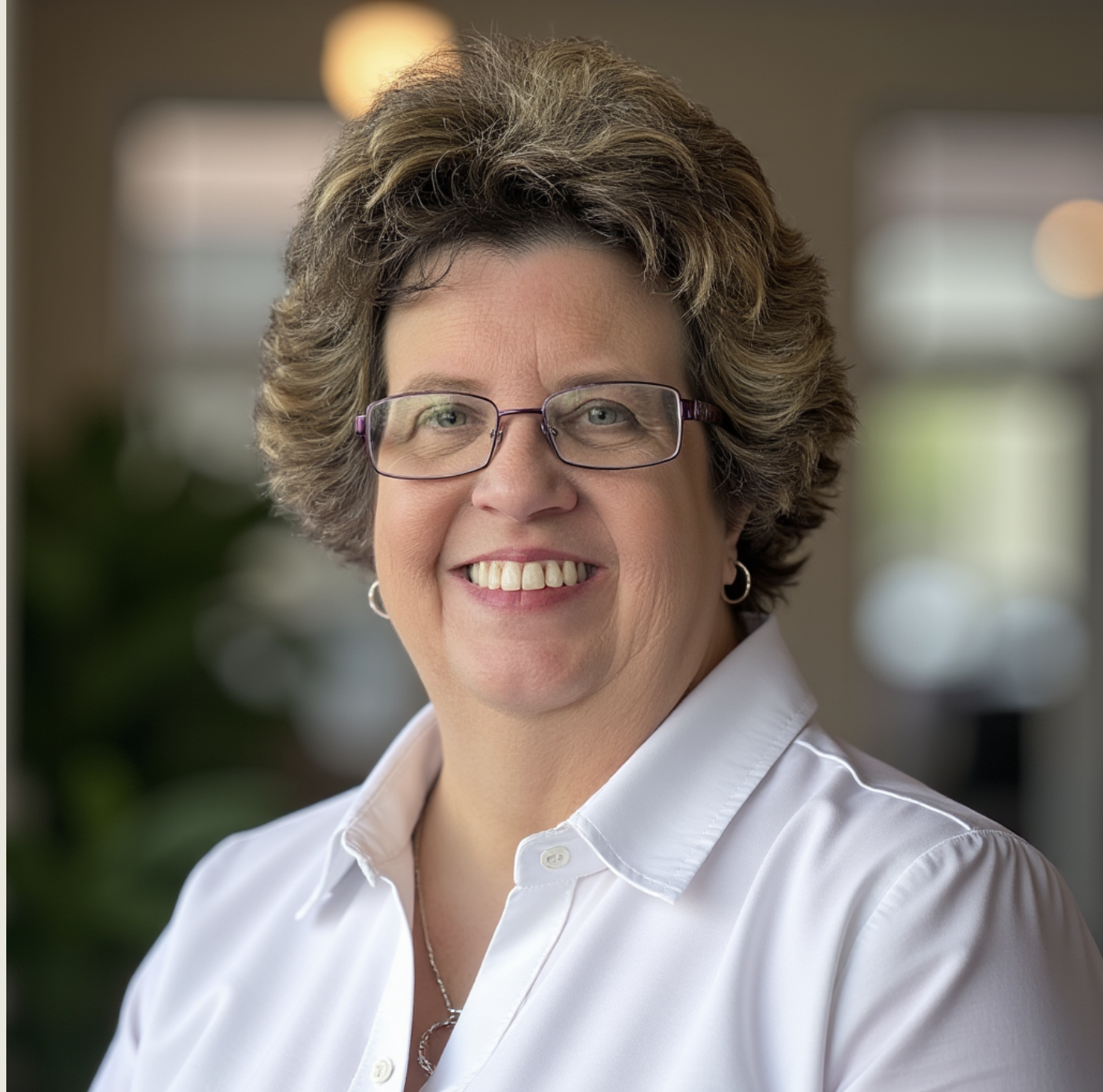
Laurel Francoeur, JD
attorney at law
Laurel Francoeur is a nationally recognized attorney and advocate specializing in food allergy law. Drawing on her experience as the mother of a child with life-threatening allergies, she has drafted legislation, testified at state and federal levels, authored multiple books, and co-founded the Allergy Law Project. Named a Top Woman of Law in Massachusetts in 2019, Laurel’s expertise has been featured in several media outlets such as NPR, the Wall Street Journal, ABC News, and the Boston Globe.
Symposium Schedule
Main FASI Conference: Tuesday March 10th and Wednesday March 11th, 2026.
Check in at 8 AM Tuesday 3/10/26, a continental style breakfast will be served during this time.
Sessions begin daily at 9 AM
Breakfasts, Breaks, Lunch and a networking Reception (Tuesday Evening) will be provided by the BU Dining Team
Check in at 8 AM Tuesday 3/10/26, a continental style breakfast will be served during this time.
Sessions begin daily at 9 AM
Breakfasts, Breaks, Lunch and a networking Reception (Tuesday Evening) will be provided by the BU Dining Team
Confirmed Sessions
Data, Disparities & Discovery: Insights from the World’s Leading Food Allergy Research
With Dr. RUCHI GUPTA
Session Description:
For more than two decades, Dr. Ruchi Gupta has shaped the world’s understanding of food allergy—its prevalence, its trends, and its profound impact on children and families. As a physician, researcher, and the founding director of the Center for Food Allergy & Asthma Research (CFAAR), Dr. Gupta leads groundbreaking work to map the rise of food allergies, identify contributing factors, and inform national policy, prevention strategies, and community education. In this session, Dr. Gupta will present the most important findings from ongoing research and reveal what the data suggests about the next decade of food allergy care and risk prevention. Attendees will explore disparities in outcomes, evolving science around early introduction and prevention, and the role foodservice organizations can play in creating safer environments. Expect a powerful blend of science, systems thinking, and actionable insight for operators at every level.
The Emergency Response Gap: Why “Call 911” Isn’t Enough for Allergy Safety
Session Description
Anaphylaxis is a time-critical medical emergency, and relying solely on calling 911 can leave a dangerous gap in care. This session examines why immediate recognition, on-site response, and access to epinephrine are essential to saving lives before first responders arrive. Participants will explore how trained staff, clear emergency protocols, regular drills, and leadership accountability transform emergency response from a written policy into a reliable, life-saving system that protects individuals and strengthens organizational duty of care.
Inside the Allergy Law Revolution: What’s Changing and What You Must Know in 2026
With LAUREL FRANCOEUR, JD
Session Description:
Food allergy legislation is evolving faster than ever—and the impact on foodservice is profound. In this session, nationally recognized attorney and food allergy policy expert Laurel Francoeur pulls back the curtain on the laws, regulations, and legal precedents reshaping how the industry must operate. Drawing from her work drafting legislation, testifying at both state and federal levels, and co-founding the Allergy Law Project, Laurel provides a rare insider perspective on what is driving change—and what’s coming next. Attendees will explore emerging legal requirements, evolving expectations for allergen disclosure, and real-world cases that illustrate the consequences when organizations fall short. Whether you manage dining operations, oversee compliance, or support corporate foodservice strategy, this session will equip you with the clarity and confidence needed to navigate the rapidly shifting legal landscape.
Landmark Cases, Life-Saving Impact: What Recent Court Decisions Mean for Food Allergy Safety
With MARY VARGAS, JD
Session Description:
From dining halls to airlines to national attractions, disability rights attorney Mary Vargas has reshaped how institutions must accommodate individuals with food allergies and celiac disease. In this high-impact session, Mary walks attendees through the landmark cases that have transformed expectations for safe dining, access, and equal treatment. With decades of litigation experience in federal courts—including the U.S. Supreme Court—Mary offers unmatched insight into how the Americans with Disabilities Act, Section 504, the Fair Housing Act, and the Air Carrier Access Act apply to allergen safety decisions. Attendees will examine real cases where failures in policy, training, or communication led to significant legal consequences—and learn exactly what foodservice leaders must do to prevent discrimination, protect guests, and uphold their legal responsibilities. Expect a riveting, story-driven, eye-opening session.
From Pilots to Programs: How Universities Are Scaling Allergen Safety Across Campus
Session Description:
Pilot programs—such as single allergen-free stations or test kitchens—are no longer sufficient to meet the needs of today’s campuses. As student expectations, regulatory pressure, and institutional responsibility grow, universities are shifting toward campus-wide allergen safety frameworks that extend across dining halls, retail locations, catering, concessions, and residential life. This session explores how leading institutions are moving beyond pilots to build comprehensive programs that support student safety, independence, and trust at scale. Participants will examine how successful campuses replace silos with integrated systems—aligning training, menu transparency, ingredient controls, facility design, and verification under one cohesive strategy. The session will highlight how standardization of recipes, labeling, SOPs, equipment segregation, and audits enables consistency regardless of location, shift, or staff turnover, creating repeatable, sustainable models that allow allergen-safe offerings to expand without increasing risk.
Ask the Doctors: A Live Q&A on Allergy Safety for Restaurants & Foodservice
With Dr. MICHAEL PISTINER and Dr RUCHI GUPTA
Session Description:
In this interactive Q&A session, Betsy Craig, CEO of MenuTrinfo®, leads a candid conversation with Dr. Michael Pistiner to unpack what restaurant and foodservice professionals most need to understand about food allergies from a medical perspective. Guided by real-world questions informed by industry experience, this discussion translates clinical realities into practical, actionable insight for foodservice operations. The session will explore how allergic reactions present, why minutes matter, and how frontline decisions around communication, emergency response, and preparedness can significantly influence outcomes. Designed for operators, managers, and frontline leaders, this Q&A bridges the gap between medical best practices and the realities of restaurant service.
Beyond the Headlines: Working with Advocacy Groups Improving Allergy Safety & Trust
With Eleanor Garrow-Holding, Thomas Silva, and Lindsey Spangler
Session Description:
Advocacy organizations bring the lived experience of food allergy families into focus—transforming awareness into action. In this session, industry leaders will hear directly from FAACT, Red Sneakers for Oakley, and Elijah-Alavi Foundation on how collaboration with advocacy groups helps move beyond good intentions to practical, life-saving allergen safety practices. Participants will explore how proactive engagement—before a crisis occurs—builds transparency, credibility, and consumer trust, and why authentic partnerships are essential to effective communication when challenges arise. The session will highlight how industry–advocacy collaboration drives stronger training, clearer communication, and higher standards that go beyond compliance to better meet the expectations of allergic consumers and their families.
From Law to Line: Turning New Allergy Regulations Into Safer Dining and Real Compliance
With BETSY CRAIG, CEO
Session Description:
Food allergy regulation has entered a historic new phase—and foodservice is at the center of it. With California’s SB-68 setting a national precedent for allergen disclosure in restaurants, and New York’s A6658A requiring clear allergen labeling on grab-and-go foods, expectations for transparency, training, and safety have never been higher. As a co-sponsor of both SB-68 and A6658A, MenuTrinfo has been deeply involved in shaping these landmark policies alongside legislators, advocacy groups, and industry partners. In this powerful, practical session, CEO Betsy Craig will break down what these new laws require, why they matter, and exactly what foodservice operators need to do to comply. Betsy will also highlight recent Food Code mandates on allergen awareness training, along with the rapid expansion of stock epinephrine laws—including New York’s new requirement for all schools. Drawing from MenuTrinfo’s front-line experience implementing training programs, labeling standards, and third-party verification across the country, this session will translate policy into clear, actionable steps for culinary teams, nutrition leaders, retail operations, and school districts. Attendees will leave with the tools and confidence to meet new regulatory expectations while advancing a culture of safety and transparency.
Post-Incident Communication Takeaway (Trust & Transparency)
Session Description:
How an organization responds after an allergic emergency—through clear communication, accountability, and visible corrective action—is as critical to rebuilding trust as the emergency response itself, signaling to consumers and families that safety is taken seriously, not defensively.
Sessions Still Under Development:
Chef Session on allergen meal creation and success
Retail Reality Check: What Manufacturers Must Do to Meet New Transparency Demands
What’s Next in Food Allergy Safety: Regulation, Research & Radical Transparency
Digital Menus, Data & AI: The Future of Food Transparency in Dining
Communicating Risk with Confidence: Menu Language, Claims & Trust-Building
With Dr. RUCHI GUPTA
Session Description:
For more than two decades, Dr. Ruchi Gupta has shaped the world’s understanding of food allergy—its prevalence, its trends, and its profound impact on children and families. As a physician, researcher, and the founding director of the Center for Food Allergy & Asthma Research (CFAAR), Dr. Gupta leads groundbreaking work to map the rise of food allergies, identify contributing factors, and inform national policy, prevention strategies, and community education. In this session, Dr. Gupta will present the most important findings from ongoing research and reveal what the data suggests about the next decade of food allergy care and risk prevention. Attendees will explore disparities in outcomes, evolving science around early introduction and prevention, and the role foodservice organizations can play in creating safer environments. Expect a powerful blend of science, systems thinking, and actionable insight for operators at every level.
The Emergency Response Gap: Why “Call 911” Isn’t Enough for Allergy Safety
Session Description
Anaphylaxis is a time-critical medical emergency, and relying solely on calling 911 can leave a dangerous gap in care. This session examines why immediate recognition, on-site response, and access to epinephrine are essential to saving lives before first responders arrive. Participants will explore how trained staff, clear emergency protocols, regular drills, and leadership accountability transform emergency response from a written policy into a reliable, life-saving system that protects individuals and strengthens organizational duty of care.
Inside the Allergy Law Revolution: What’s Changing and What You Must Know in 2026
With LAUREL FRANCOEUR, JD
Session Description:
Food allergy legislation is evolving faster than ever—and the impact on foodservice is profound. In this session, nationally recognized attorney and food allergy policy expert Laurel Francoeur pulls back the curtain on the laws, regulations, and legal precedents reshaping how the industry must operate. Drawing from her work drafting legislation, testifying at both state and federal levels, and co-founding the Allergy Law Project, Laurel provides a rare insider perspective on what is driving change—and what’s coming next. Attendees will explore emerging legal requirements, evolving expectations for allergen disclosure, and real-world cases that illustrate the consequences when organizations fall short. Whether you manage dining operations, oversee compliance, or support corporate foodservice strategy, this session will equip you with the clarity and confidence needed to navigate the rapidly shifting legal landscape.
Landmark Cases, Life-Saving Impact: What Recent Court Decisions Mean for Food Allergy Safety
With MARY VARGAS, JD
Session Description:
From dining halls to airlines to national attractions, disability rights attorney Mary Vargas has reshaped how institutions must accommodate individuals with food allergies and celiac disease. In this high-impact session, Mary walks attendees through the landmark cases that have transformed expectations for safe dining, access, and equal treatment. With decades of litigation experience in federal courts—including the U.S. Supreme Court—Mary offers unmatched insight into how the Americans with Disabilities Act, Section 504, the Fair Housing Act, and the Air Carrier Access Act apply to allergen safety decisions. Attendees will examine real cases where failures in policy, training, or communication led to significant legal consequences—and learn exactly what foodservice leaders must do to prevent discrimination, protect guests, and uphold their legal responsibilities. Expect a riveting, story-driven, eye-opening session.
From Pilots to Programs: How Universities Are Scaling Allergen Safety Across Campus
Session Description:
Pilot programs—such as single allergen-free stations or test kitchens—are no longer sufficient to meet the needs of today’s campuses. As student expectations, regulatory pressure, and institutional responsibility grow, universities are shifting toward campus-wide allergen safety frameworks that extend across dining halls, retail locations, catering, concessions, and residential life. This session explores how leading institutions are moving beyond pilots to build comprehensive programs that support student safety, independence, and trust at scale. Participants will examine how successful campuses replace silos with integrated systems—aligning training, menu transparency, ingredient controls, facility design, and verification under one cohesive strategy. The session will highlight how standardization of recipes, labeling, SOPs, equipment segregation, and audits enables consistency regardless of location, shift, or staff turnover, creating repeatable, sustainable models that allow allergen-safe offerings to expand without increasing risk.
Ask the Doctors: A Live Q&A on Allergy Safety for Restaurants & Foodservice
With Dr. MICHAEL PISTINER and Dr RUCHI GUPTA
Session Description:
In this interactive Q&A session, Betsy Craig, CEO of MenuTrinfo®, leads a candid conversation with Dr. Michael Pistiner to unpack what restaurant and foodservice professionals most need to understand about food allergies from a medical perspective. Guided by real-world questions informed by industry experience, this discussion translates clinical realities into practical, actionable insight for foodservice operations. The session will explore how allergic reactions present, why minutes matter, and how frontline decisions around communication, emergency response, and preparedness can significantly influence outcomes. Designed for operators, managers, and frontline leaders, this Q&A bridges the gap between medical best practices and the realities of restaurant service.
Beyond the Headlines: Working with Advocacy Groups Improving Allergy Safety & Trust
With Eleanor Garrow-Holding, Thomas Silva, and Lindsey Spangler
Session Description:
Advocacy organizations bring the lived experience of food allergy families into focus—transforming awareness into action. In this session, industry leaders will hear directly from FAACT, Red Sneakers for Oakley, and Elijah-Alavi Foundation on how collaboration with advocacy groups helps move beyond good intentions to practical, life-saving allergen safety practices. Participants will explore how proactive engagement—before a crisis occurs—builds transparency, credibility, and consumer trust, and why authentic partnerships are essential to effective communication when challenges arise. The session will highlight how industry–advocacy collaboration drives stronger training, clearer communication, and higher standards that go beyond compliance to better meet the expectations of allergic consumers and their families.
From Law to Line: Turning New Allergy Regulations Into Safer Dining and Real Compliance
With BETSY CRAIG, CEO
Session Description:
Food allergy regulation has entered a historic new phase—and foodservice is at the center of it. With California’s SB-68 setting a national precedent for allergen disclosure in restaurants, and New York’s A6658A requiring clear allergen labeling on grab-and-go foods, expectations for transparency, training, and safety have never been higher. As a co-sponsor of both SB-68 and A6658A, MenuTrinfo has been deeply involved in shaping these landmark policies alongside legislators, advocacy groups, and industry partners. In this powerful, practical session, CEO Betsy Craig will break down what these new laws require, why they matter, and exactly what foodservice operators need to do to comply. Betsy will also highlight recent Food Code mandates on allergen awareness training, along with the rapid expansion of stock epinephrine laws—including New York’s new requirement for all schools. Drawing from MenuTrinfo’s front-line experience implementing training programs, labeling standards, and third-party verification across the country, this session will translate policy into clear, actionable steps for culinary teams, nutrition leaders, retail operations, and school districts. Attendees will leave with the tools and confidence to meet new regulatory expectations while advancing a culture of safety and transparency.
Post-Incident Communication Takeaway (Trust & Transparency)
Session Description:
How an organization responds after an allergic emergency—through clear communication, accountability, and visible corrective action—is as critical to rebuilding trust as the emergency response itself, signaling to consumers and families that safety is taken seriously, not defensively.
Sessions Still Under Development:
Chef Session on allergen meal creation and success
Retail Reality Check: What Manufacturers Must Do to Meet New Transparency Demands
What’s Next in Food Allergy Safety: Regulation, Research & Radical Transparency
Digital Menus, Data & AI: The Future of Food Transparency in Dining
Communicating Risk with Confidence: Menu Language, Claims & Trust-Building
Don't miss FASI!
Register Below ⬇️
Register Below ⬇️