George Brown College
Mental Health Conference
Mental Health Conference
Thriving Together in the Classroom:
Creating the Conditions for Student Well-Being
Creating the Conditions for Student Well-Being
February 27, 2025, 8:00 AM - 4:00 PM
George Brown College - St. James Campus
George Brown College - St. James Campus
George Brown College’s Division of Student Success and the Centre for Preparatory & Liberal Studies are pleased to announce a special 25th Anniversary edition of the Annual Mental Health Conference.
About this in-person event:
Join us for George Brown College’s 25th annual Mental Health Conference on Thursday, February 27th, 2025. Our annual conference is a chance for us to engage in learning, dialogue, and connection, advancing our understanding of the critical factors impacting mental health and well-being.
We are excited to announce that this one-day in-person conference will include a keynote address from Carolyn Roberts – a member of the Squamish Nation who is a speaker, author and Indigenous academic who teaches at the University of British Columbia. Carolyn uses her voice to support Indigenous resurgence through education and will speak to this year’s theme - ‘Thriving Together in the Classroom: Creating the Conditions for Student Well-being’.
The day will also include:
- a panel of current students and teaching faculty who will share their experiences and perspectives on what strategies positively impact student well-being
- a variety of thought-provoking workshops designed to engage and stimulate meaningful discussion
- sharing innovative practices connecting student services with teaching faculty to support student well-being
This conference will appeal to anyone interested in advancing their understanding of the challenges that exist and learning new strategies to support the conditions for improved student well-being in the classroom.
Keynote Speaker
Carolyn Roberts
Carolyn Roberts uses her voice to support Indigenous resurgence through education. She is a St’at’imc and Sto:lo woman belonging to the Thevarge family from N'quatqua Nation and the Kelly Family from the Tzeachten Nation and under the Indian Act she is a member of the Squamish Nation. Carolyn is a Speaker, Author, Indigenous academic, and a faculty member in UBC Teacher Education and NITEP programs. She has been an educator and administrator for over 20 years in the K-12 system. Carolyn’s work is grounded in educating about Indigenous people and the decolonization of the education system. She works with pre-service teachers to help build their understandings in Indigenous history, education, and ancestral ways of knowing, to create a brighter future for all Indigenous people and the seven generations yet to come.
Keynote Presentation: Re-Storying Education
Re-Storying education focuses on integrating Indigenous narratives and perspectives into the curriculum of our current education system. By dismantling old narratives and using story to create new narratives, this approach emphasizes the importance of using a critical lens, truth-telling, and stories as methods for teaching and learning. By recognizing the value of Indigenous knowledge and teacher practice in how we can reimagine education, Carolyn aims to create a more inclusive and culturally relevant curriculum that honours Indigenous people, histories and knowledges. Re-Storying promotes a deeper understanding among all students and seeks to empower Indigenous voices within educational spaces by fostering a deeper connection to the land, the people of the land, and the true shared history of this place known as Canada today. Join her as she speaks to how we can create spaces for Indigenous voices to flourish in the education system today.
Conference Agenda
MORNING
8:00 AM - 9:00 AM
8:00 AM - 9:00 AM
Registration & Coffee
9:00 AM - 9:05 AM
Introduction & Welcome
Land Acknowledgement
Land Acknowledgement
9:05 AM - 9:10 AM
Conference Introduction & Overview
Conference Introduction & Overview
9:10 AM - 9:20 AM
Dr. Gervan Fearon Remarks
Dr. Gervan Fearon Remarks
9:20 AM - 9:30 AM
Keynote Introduction
Keynote Introduction
9:30 AM - 10:15 AM
Keynote Speaker: Carolyn Roberts
Keynote Speaker: Carolyn Roberts
10:15 AM - 10:25 AM
Host Remarks
Host Remarks
10:25 AM - 10:55 AM
Break & Networking
Break & Networking
10:55 AM - 12:10 PM
Concurrent Breakout Sessions
Concurrent Breakout Sessions
AFTERNOON
12:10 PM - 1:10 PM
Lunch
Lunch
1:10 PM - 2:25 PM
Concurrent Breakout Sessions
Concurrent Breakout Sessions
2:25 PM - 2:55 PM
Break & Networking
Break & Networking
2:55 PM - 3:10 PM
Movement Break
Movement Break
3:10 PM - 3:25 PM
Host Remarks & Intro to Panel
Host Remarks & Intro to Panel
3:25 PM - 4:10 PM
Student & Faculty Panel
Student & Faculty Panel
4:10 PM - 4:20 PM
Closing Remarks
Closing Remarks
4:20 PM
Event Concludes
Breakout Sessions
Morning Breakout Sessions
10:55 AM - 12:10 PM
Thriving in the Classroom: A Toolkit to Support Resilience - ROOM 202
Selena Norman, Campus Community Lead at the Centre for Innovation in Campus Mental Health (CICMH)
Classrooms are a space where campus staff can reach all students and build classroom conditions that remove barriers and maximize students’ potential to thrive. Following the theme of this year’s conference, this break-out session will be diving into the Thriving in the Classroom toolkit, created by a group of post-secondary faculty, mental health professionals, learning experts, and community partners across Ontario, which CICMH has now inherited. This session will discuss four kinds of resilience (community, personal, academic, and career) that can promote well-being and strengthen resilience in virtual and in-person classrooms, ensuring students thrive on campus and beyond.
Universal Design for Learning & Student Well-Being: Why Autonomy Matters - ROOM 207
Kate Klein, Teaching & Learning Exchange Associate and Professor, Transitions to Post-Secondary Education Program, George Brown College
One of the central principles of a trauma-informed space is autonomy: people’s ability to be in charge of what happens to them, the direction they’re going, and the speed at which they go. This workshop will explore how the layers of student choice embedded in the Universal Design for Learning framework can support adult learners to have reparative school experiences that support their well-being and help to change their inner narrative about what learning can be like and what they are capable of.
Name, Claim and Reframe — A Personal Stress Tool - ROOM 204
Kelly Kwon, Senior Manager, Health, Safety and Wellness, in the People and Culture division, George Brown College
Stress is inevitable. Ongoing doubt, anger or fear are not. The ability to name our stress, claim our power over it and reframe it in a way that allows us to let go of whatever holds us back is a skillset we all can learn and refine.
Using these workshop materials will help participants to:
- Name their stress – this sounds easier than it is. When we can identify how our stress is impacting our thoughts and emotions, we are no longer powerless.
- Claim their power – once they have named it, now they can challenge the unhelpful or untrue thoughts and difficult emotions that stress is causing them.
- Reframe it – changing how we look at whatever has or is causing us stress can make it easier to move forward
Well-being in the Classroom: What does liberation have to do with that?! - ROOM 303
Natalie Wood, Professor, Social Service Work Program, George Brown College, Susie Mensah, Social Service Worker and Cultural Worker, Carla Moore, Professor, Centre for Business, School of Human Resources, George Brown College, and Barichisu Osman Abugbila, Student, Child and Youth Care, George Brown College
In this session, Natalie Wood, Susie Mensah, Carla Moore, and Barichisu Abugbila will engage participants in ways to generate joy, liberation, and Well-being in the classroom. The co-facilitators, representing students, faculty, and staff, will collaborate with participants to create and demonstrate strategies and practices centered in bell hooks’ anti-colonial, anti-oppressive and liberatory engaged pedagogy approach. Participants will leave the workshop with ways in which to bring about belonging and thriving together in the classroom.
Culturally Responsive Education with an Indigenous Lens - ROOM 206
Carolyn Roberts, Speaker, Author, Indigenous academic, and a faculty member in UBC Teacher Education and NITEP programs
Together in conversation with Carolyn Roberts we will be talking about culturally responsive teaching practices (CRP) to create equitable learning environments where all students can thrive. We will explore CRP with an Indigenous lens and learn practical strategies for the implementation of this practice. We will be developing skills to create inclusive and equitable learning environments that recognize and celebrate the diverse backgrounds of all students. We will also talk about how to design and teach a culturally inclusive curriculum that reflects diverse perspectives. This conversation is suitable for post-secondary educators, administrators, and anyone involved in teaching or educational leadership who is interested in fostering an inclusive and responsive educational environment. Carolyn’s hope for this work is to empower educators to create classrooms where all students feel valued, respected, and capable.
Beyond the Classroom: How Your Student Association Fosters Student Well-Being - ROOM 302
George Brown College Student Association (Diana Cortes, Ximing Yao, Olufunmilayo Oguntoyinbo, Deepakshi Deep, Ruka Watanabe, Russ Adade, Yukiko Ito)
In this session, we’ll explore how your Student Association plays a vital role in supporting mental health and fostering well-being beyond the classroom. From peer support programs and stress-relief initiatives to student clubs, food access, academic support, and on-campus activities, we provide a range of services designed to create a healthier, more connected student body and a safer campus environment.
Thriving in the Classroom: A Toolkit to Support Resilience - ROOM 202
Selena Norman, Campus Community Lead at the Centre for Innovation in Campus Mental Health (CICMH)
Classrooms are a space where campus staff can reach all students and build classroom conditions that remove barriers and maximize students’ potential to thrive. Following the theme of this year’s conference, this break-out session will be diving into the Thriving in the Classroom toolkit, created by a group of post-secondary faculty, mental health professionals, learning experts, and community partners across Ontario, which CICMH has now inherited. This session will discuss four kinds of resilience (community, personal, academic, and career) that can promote well-being and strengthen resilience in virtual and in-person classrooms, ensuring students thrive on campus and beyond.
Universal Design for Learning & Student Well-Being: Why Autonomy Matters - ROOM 207
Kate Klein, Teaching & Learning Exchange Associate and Professor, Transitions to Post-Secondary Education Program, George Brown College
One of the central principles of a trauma-informed space is autonomy: people’s ability to be in charge of what happens to them, the direction they’re going, and the speed at which they go. This workshop will explore how the layers of student choice embedded in the Universal Design for Learning framework can support adult learners to have reparative school experiences that support their well-being and help to change their inner narrative about what learning can be like and what they are capable of.
Name, Claim and Reframe — A Personal Stress Tool - ROOM 204
Kelly Kwon, Senior Manager, Health, Safety and Wellness, in the People and Culture division, George Brown College
Stress is inevitable. Ongoing doubt, anger or fear are not. The ability to name our stress, claim our power over it and reframe it in a way that allows us to let go of whatever holds us back is a skillset we all can learn and refine.
Using these workshop materials will help participants to:
- Name their stress – this sounds easier than it is. When we can identify how our stress is impacting our thoughts and emotions, we are no longer powerless.
- Claim their power – once they have named it, now they can challenge the unhelpful or untrue thoughts and difficult emotions that stress is causing them.
- Reframe it – changing how we look at whatever has or is causing us stress can make it easier to move forward
Well-being in the Classroom: What does liberation have to do with that?! - ROOM 303
Natalie Wood, Professor, Social Service Work Program, George Brown College, Susie Mensah, Social Service Worker and Cultural Worker, Carla Moore, Professor, Centre for Business, School of Human Resources, George Brown College, and Barichisu Osman Abugbila, Student, Child and Youth Care, George Brown College
In this session, Natalie Wood, Susie Mensah, Carla Moore, and Barichisu Abugbila will engage participants in ways to generate joy, liberation, and Well-being in the classroom. The co-facilitators, representing students, faculty, and staff, will collaborate with participants to create and demonstrate strategies and practices centered in bell hooks’ anti-colonial, anti-oppressive and liberatory engaged pedagogy approach. Participants will leave the workshop with ways in which to bring about belonging and thriving together in the classroom.
Culturally Responsive Education with an Indigenous Lens - ROOM 206
Carolyn Roberts, Speaker, Author, Indigenous academic, and a faculty member in UBC Teacher Education and NITEP programs
Together in conversation with Carolyn Roberts we will be talking about culturally responsive teaching practices (CRP) to create equitable learning environments where all students can thrive. We will explore CRP with an Indigenous lens and learn practical strategies for the implementation of this practice. We will be developing skills to create inclusive and equitable learning environments that recognize and celebrate the diverse backgrounds of all students. We will also talk about how to design and teach a culturally inclusive curriculum that reflects diverse perspectives. This conversation is suitable for post-secondary educators, administrators, and anyone involved in teaching or educational leadership who is interested in fostering an inclusive and responsive educational environment. Carolyn’s hope for this work is to empower educators to create classrooms where all students feel valued, respected, and capable.
Beyond the Classroom: How Your Student Association Fosters Student Well-Being - ROOM 302
George Brown College Student Association (Diana Cortes, Ximing Yao, Olufunmilayo Oguntoyinbo, Deepakshi Deep, Ruka Watanabe, Russ Adade, Yukiko Ito)
In this session, we’ll explore how your Student Association plays a vital role in supporting mental health and fostering well-being beyond the classroom. From peer support programs and stress-relief initiatives to student clubs, food access, academic support, and on-campus activities, we provide a range of services designed to create a healthier, more connected student body and a safer campus environment.
Afternoon Breakout Sessions
1:10 PM - 2:25 PM
A Preview of George Brown College’s New Training Initiative: Empathy in Action - ROOM 206
Kate Wren, Complex Mental Health Case Manager and Lara Lukaniuk, Registered social worker and Faculty Counsellor, George Brown College
In this interactive session, we’ll provide an overview of the Empathy in Action training developed by George Brown College’s Counselling and Student Wellbeing department. The Empathy in Action training is designed to empower faculty and staff to foster a more supportive, inclusive, and mentally healthy campus environment. In today’s session, we’ll dive into the importance of a whole-campus approach to mental health and how we can all contribute to building a supportive community for students.
Through engaging discussion and practical examples, we will focus on key strategies presented in the Empathy in Action training including how to Recognize, Respond and Refer students who may be experiencing mental health challenges.
Encouraging Connection: How Braver Conversations and Risk-Taking Influence Broader Systemic Change - ROOM 302
Laraine Hale, Indigenous Counsellor, George Brown College and Zeba Luxmore, Registered Psychotherapist and Counsellor, Counselling Services team George Brown College
Sharing accomplishments from our Indigenization, Inclusion, Diversity, Equity and Accessibility (IIDEA) Committee we reflect on the shifts in understanding, discourse, and practices within the Counselling team and beyond.
Fostering capacity for structural and systemic change through the creation of intentional spaces to sit in the discomfort, inviting dialogue and positive risk-taking to support unlearning and relearning. We are contributing to a cultural shift encouraging cohesive connections and courageous conversations amongst clinicians from diverse intersections of identity. This shift supports clinicians in navigating complex therapeutic interactions with greater sensitivity, comfort, and care. By virtue of this culture shift, we are empowering expanded advocacy and risk-taking affecting broader systemic change.
Connections That Count: A Journey to Belonging and Thriving Together in a Compassionate and Inclusive Community - ROOM 202
The Student Success Team at the School of ESL
In this interactive session, Success Coaches at the School of ESL will share stories, experiences and insights on mental health and well-being that have helped our team support domestic and international students in overcoming the unique challenges they face. We invite you to bring your ideas, experiences and creativity to the table, as we discuss practical solutions to help each other feel connected, supported, and empowered to thrive, both inside and outside the classroom.
Social-emotional learning in the post-secondary classroom: what does the research tell us? The neuroscience behind teaching strategies that promote social presence in learning, and future implications - ROOM 303
Mandy Bonisteel, Liberal Arts and Sciences professor, George Brown College
The social and limbic (emotional) networks in our brain are integral to building knowledge, facilitating memory storage and retrieval, and supporting higher mental functions. In this workshop we will explore the overlapping functions of these two systems in the context of curriculum design and strategies to foster positive, inclusive interactions, long term learning, and well-being. We will also envision possibilities for future learning environments that prioritize human resilience.
Humanizing the Classroom for Adult English Language Learners - ROOM 204
Andrea Rankin, Professor, George Brown College School of ESL and Johanna Peffer, Faculty Member, George Brown College School of ESL
This session provides a framework to humanize the classroom through key principles of adult learning, Universal Design for Learning, and the positive psychology of language learning. We will share concrete examples from our teaching practice to demonstrate how these principles can improve the learner experience to better meet the diverse needs of adult English language learners.
Fostering Well-Being and Inclusion: Supporting Student Mental Health and Accommodations in Varied Learning Environments - ROOM 207
Deandra Christopher, Work Integrated Learning (WIL)/ Accessibility Consultant, George Brown College and Allison Murray, Accessibility Consultant, George Brown College
How can we create classrooms that foster mental health and equitable learning for all students? In this interactive session, we’ll explore key strategies for supporting student well-being, including interim accommodations, Universal Design for Learning (UDL), and accessible practices for Work-Integrated Learning (WIL). We’ll also discuss the importance of clear registration processes and proactive faculty engagement in directing students to support services, such as Accessible Learning Services (ALS).
Through guided group discussions with professionals from education and community sectors, we’ll share practical tips, challenges, and success stories that can inspire action.
A Preview of George Brown College’s New Training Initiative: Empathy in Action - ROOM 206
Kate Wren, Complex Mental Health Case Manager and Lara Lukaniuk, Registered social worker and Faculty Counsellor, George Brown College
In this interactive session, we’ll provide an overview of the Empathy in Action training developed by George Brown College’s Counselling and Student Wellbeing department. The Empathy in Action training is designed to empower faculty and staff to foster a more supportive, inclusive, and mentally healthy campus environment. In today’s session, we’ll dive into the importance of a whole-campus approach to mental health and how we can all contribute to building a supportive community for students.
Through engaging discussion and practical examples, we will focus on key strategies presented in the Empathy in Action training including how to Recognize, Respond and Refer students who may be experiencing mental health challenges.
Encouraging Connection: How Braver Conversations and Risk-Taking Influence Broader Systemic Change - ROOM 302
Laraine Hale, Indigenous Counsellor, George Brown College and Zeba Luxmore, Registered Psychotherapist and Counsellor, Counselling Services team George Brown College
Sharing accomplishments from our Indigenization, Inclusion, Diversity, Equity and Accessibility (IIDEA) Committee we reflect on the shifts in understanding, discourse, and practices within the Counselling team and beyond.
Fostering capacity for structural and systemic change through the creation of intentional spaces to sit in the discomfort, inviting dialogue and positive risk-taking to support unlearning and relearning. We are contributing to a cultural shift encouraging cohesive connections and courageous conversations amongst clinicians from diverse intersections of identity. This shift supports clinicians in navigating complex therapeutic interactions with greater sensitivity, comfort, and care. By virtue of this culture shift, we are empowering expanded advocacy and risk-taking affecting broader systemic change.
The Student Success Team at the School of ESL
In this interactive session, Success Coaches at the School of ESL will share stories, experiences and insights on mental health and well-being that have helped our team support domestic and international students in overcoming the unique challenges they face. We invite you to bring your ideas, experiences and creativity to the table, as we discuss practical solutions to help each other feel connected, supported, and empowered to thrive, both inside and outside the classroom.
Mandy Bonisteel, Liberal Arts and Sciences professor, George Brown College
The social and limbic (emotional) networks in our brain are integral to building knowledge, facilitating memory storage and retrieval, and supporting higher mental functions. In this workshop we will explore the overlapping functions of these two systems in the context of curriculum design and strategies to foster positive, inclusive interactions, long term learning, and well-being. We will also envision possibilities for future learning environments that prioritize human resilience.
Andrea Rankin, Professor, George Brown College School of ESL and Johanna Peffer, Faculty Member, George Brown College School of ESL
This session provides a framework to humanize the classroom through key principles of adult learning, Universal Design for Learning, and the positive psychology of language learning. We will share concrete examples from our teaching practice to demonstrate how these principles can improve the learner experience to better meet the diverse needs of adult English language learners.
Deandra Christopher, Work Integrated Learning (WIL)/ Accessibility Consultant, George Brown College and Allison Murray, Accessibility Consultant, George Brown College
How can we create classrooms that foster mental health and equitable learning for all students? In this interactive session, we’ll explore key strategies for supporting student well-being, including interim accommodations, Universal Design for Learning (UDL), and accessible practices for Work-Integrated Learning (WIL). We’ll also discuss the importance of clear registration processes and proactive faculty engagement in directing students to support services, such as Accessible Learning Services (ALS).
Host

Cee Hicks
Student, Community Worker Program, George Brown College
Cee Hicks (He/Him) is a second-year Community Worker Program student who identifies, as a person living with mental health challenges.
Special Guests
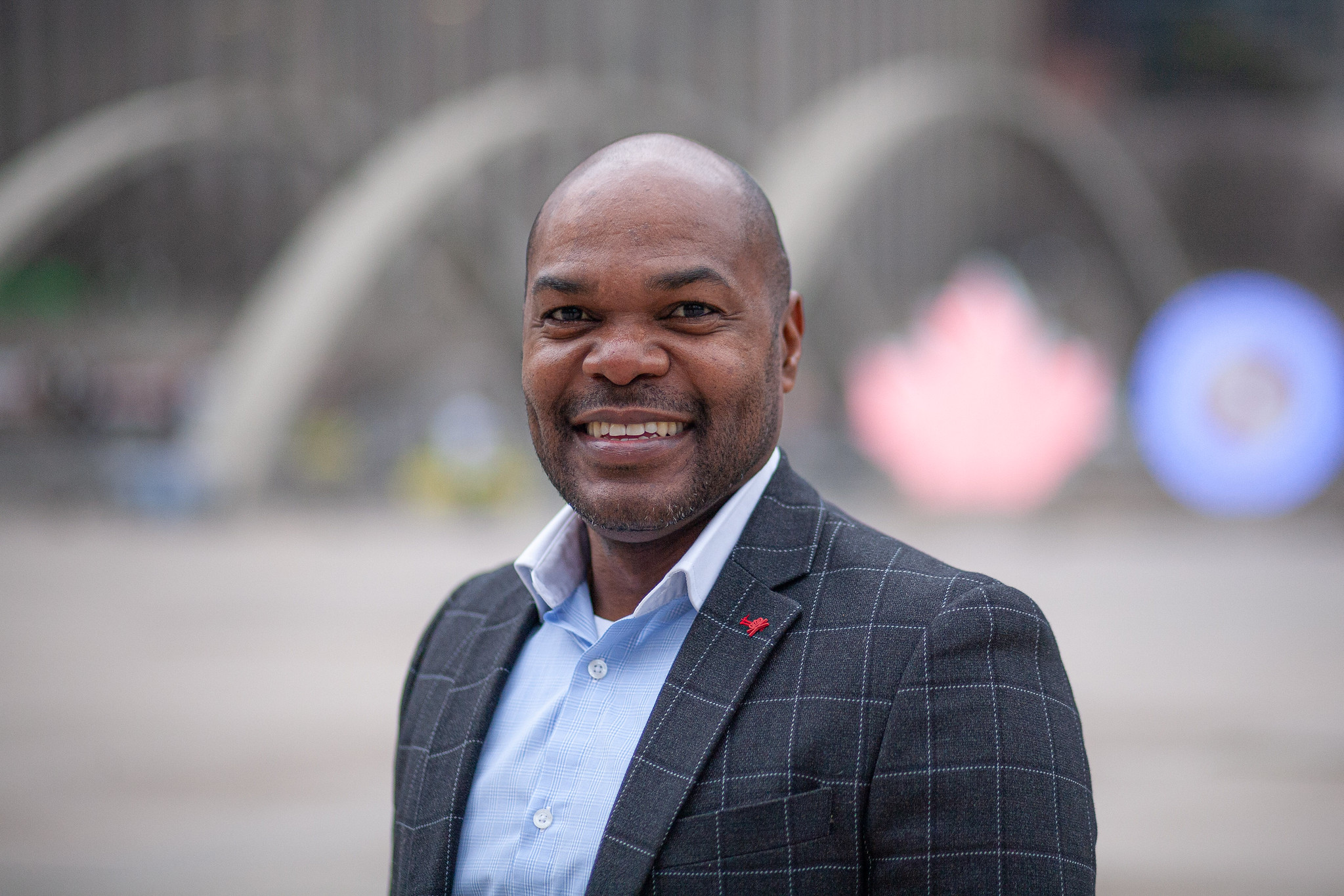
Chris Moise
City Councillor for Ward 13 - Toronto Centre
Chris has spent over two decades living and working throughout the communities in Ward 13 and is committed to improving safety, transit, housing affordability and social services while fostering equity, fairness and inclusion in all aspects of city life.
Prior to being elected to city council, Chris served as a Toronto District School Board Trustee for six years and an addictions counsellor at St. Michaels Hospital for 22 years. He has been a small business owner for over 17 years and he understands how small businesses contribute to creating vibrant local neighbourhoods.
Chris is currently a member of the following city boards and committees: Board of Health (Chair), Economic & Community Development (Small Business Advocate), Budget Committee, Civic Appointments Committee, Toronto & East York Community Council (Chair), Toronto Transit Commission, 2SLGBTQ+ Advisory Committee (Chair) and the Confronting Anti-Black Racism Advisory Committee (Chair). Chris is proud to bring his unique perspectives and lived experiences to these bodies and hopes to shape the development of robust policies and city outcomes.
Speakers

Russ Adade
Student Networks & Clubs Coordinator, Student Association, George Brown College
Russ Adade is the Clubs Coordinator for the Student Association at George Brown College. A graduate from the University of Toronto with BA in Sociology and served as VP Campus Life for UTMSU (University of Toronto Mississauga Student Union). Russ has always had passion with enhancing student life experiences on campus through various mediums which includes the clubs program.
In this dedicated role, Russ oversees the clubs program that allows students with shared
interests, cultural connections or social movements to create official clubs and empower students to produce events, campaigns and initiatives within the George Brown community.
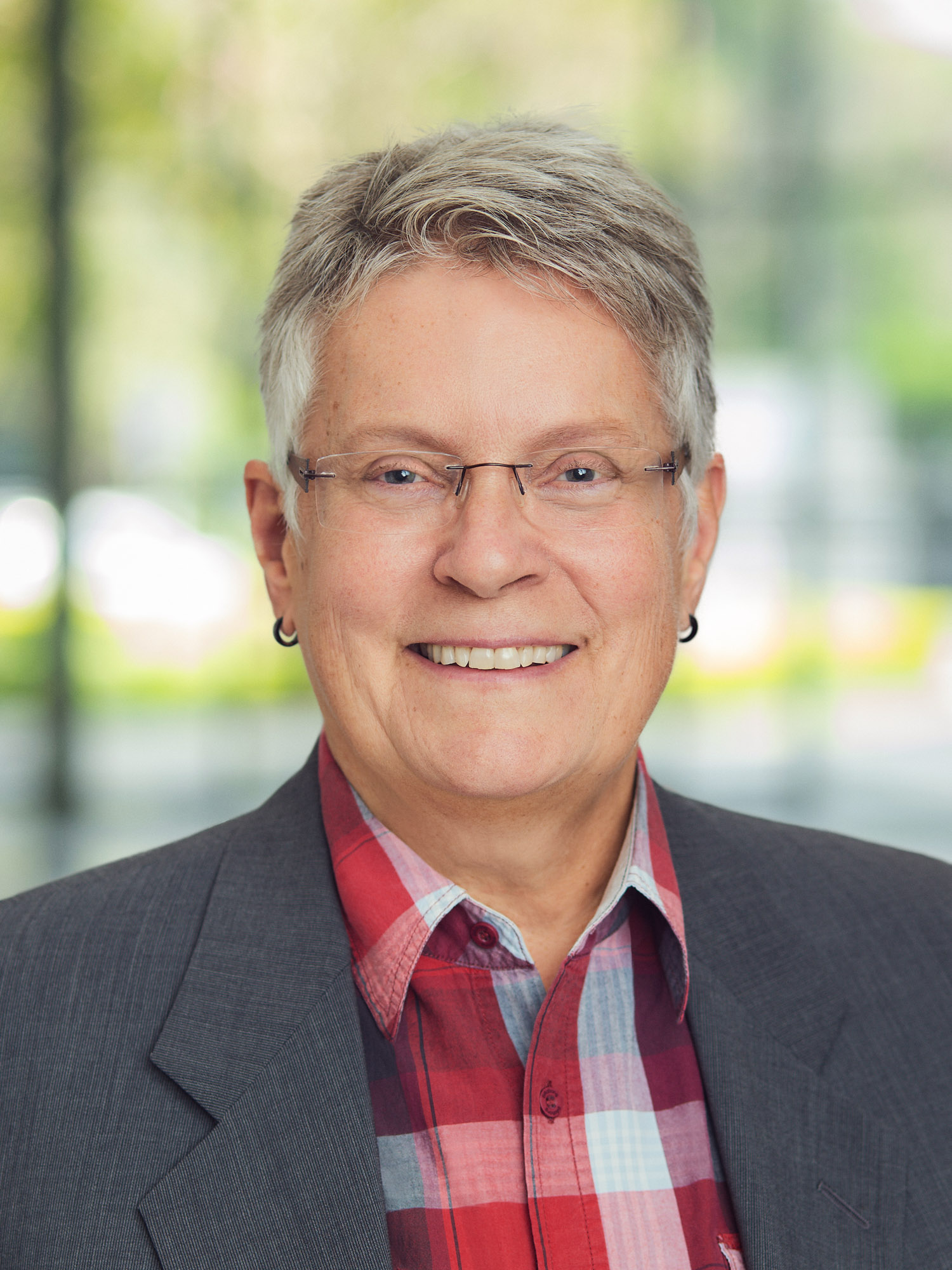
Mandy Bonisteel
Liberal Arts and Sciences professor, George Brown College
Mandy has been teaching at George Brown College for 30 years, is committed to UDL and working from intersectional, anti-racist, trauma informed frameworks, and in collaborative communities of inquiry and practice. Mandy is a Community Research Associate at the Centre for Research & Education on Violence Against Women & Children and a recipient of the Ontario Medal of Citizenship.

Deandra Christopher
Work Integrated Learning (WIL)/ Accessibility Consultant, george brown college
With a background in post-secondary education and the non-profit sector, Deandra Christopher brings a wealth of expertise to her role as a Work Integrated/Accessibility Consultant at George Brown College. Over the past four years, she has served as an Accessibility Consultant, supporting students in accessing academic accommodations and collaborating with faculty to implement and problem-solve accommodations as needed.
In the past year, Deandra has taken on the WIL/Accessibility Consultant role, specializing in developing accessible pathways within work-integrated learning (WIL) environments, particularly for students with disabilities. Her work focuses on fostering inclusive practices, streamlining processes, and empowering students to navigate WIL opportunities successfully.
Deandra is passionate about inclusivity and breaking down barriers for students. Outside of work, she enjoys traveling and hiking with her two huskies, embracing her love for nature and adventure.
In the past year, Deandra has taken on the WIL/Accessibility Consultant role, specializing in developing accessible pathways within work-integrated learning (WIL) environments, particularly for students with disabilities. Her work focuses on fostering inclusive practices, streamlining processes, and empowering students to navigate WIL opportunities successfully.
Deandra is passionate about inclusivity and breaking down barriers for students. Outside of work, she enjoys traveling and hiking with her two huskies, embracing her love for nature and adventure.
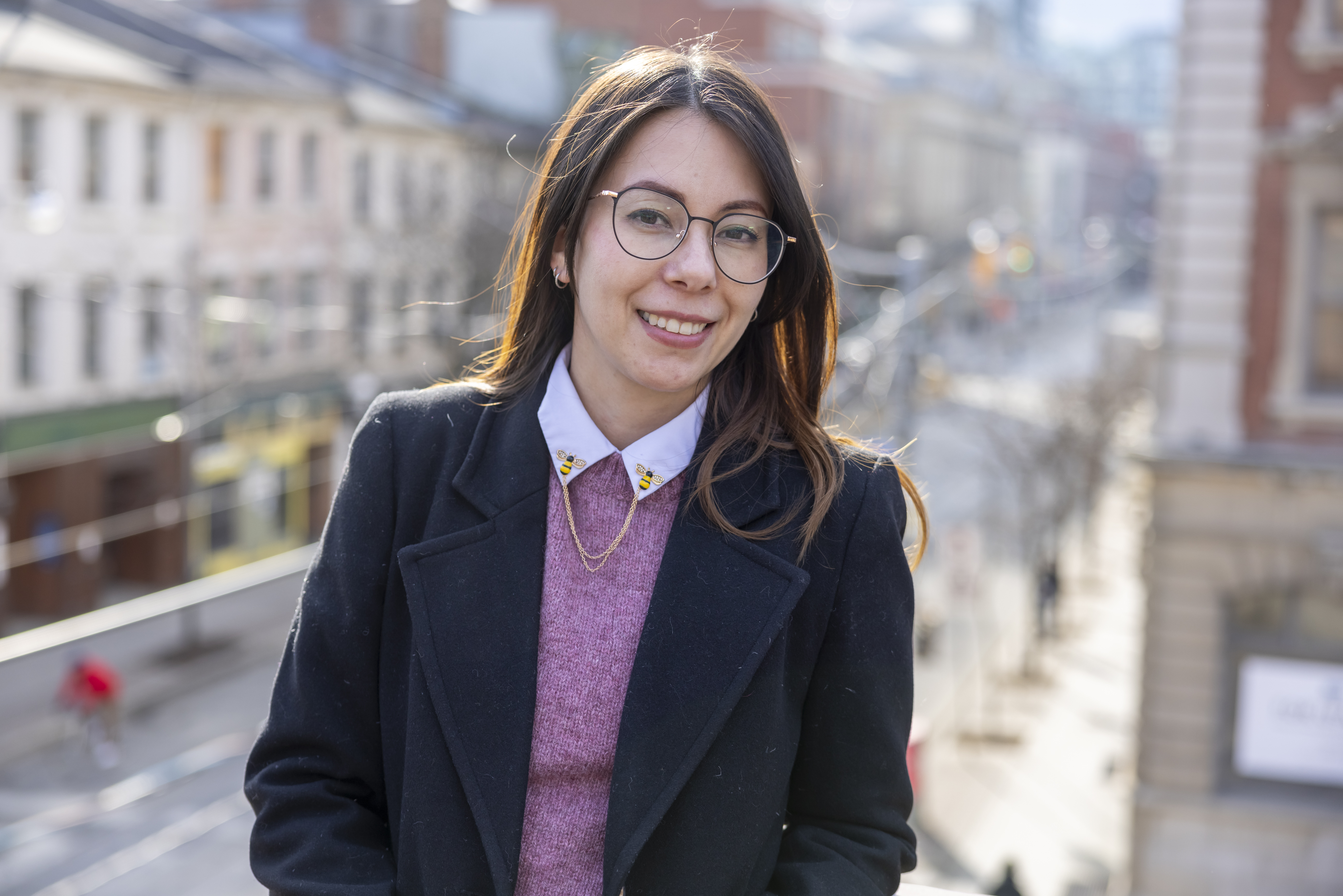
Diana Cortes
Academic Support Coordinator, Student Association, George Brown College
Diana Cortes is an Academic Support coordinator at the Student Association of GBC. She holds a BA in Psychology and an Ontario diploma as a Counsellor and Advocate (AWCCA) from George Brown College. Diana is a committed professional with extensive experience working with vulnerable and underrepresented populations. Particularly victims of forced displacement and armed conflict, and in the process of rights restoration and protection of children, adolescents, and young people with their rights threatened in Colombia for over 13 years. Currently, she has been working for the last few years in the educational environment, supporting students in achieving their academic endeavours and advocating for them to help them succeed and accomplish their academic goals.
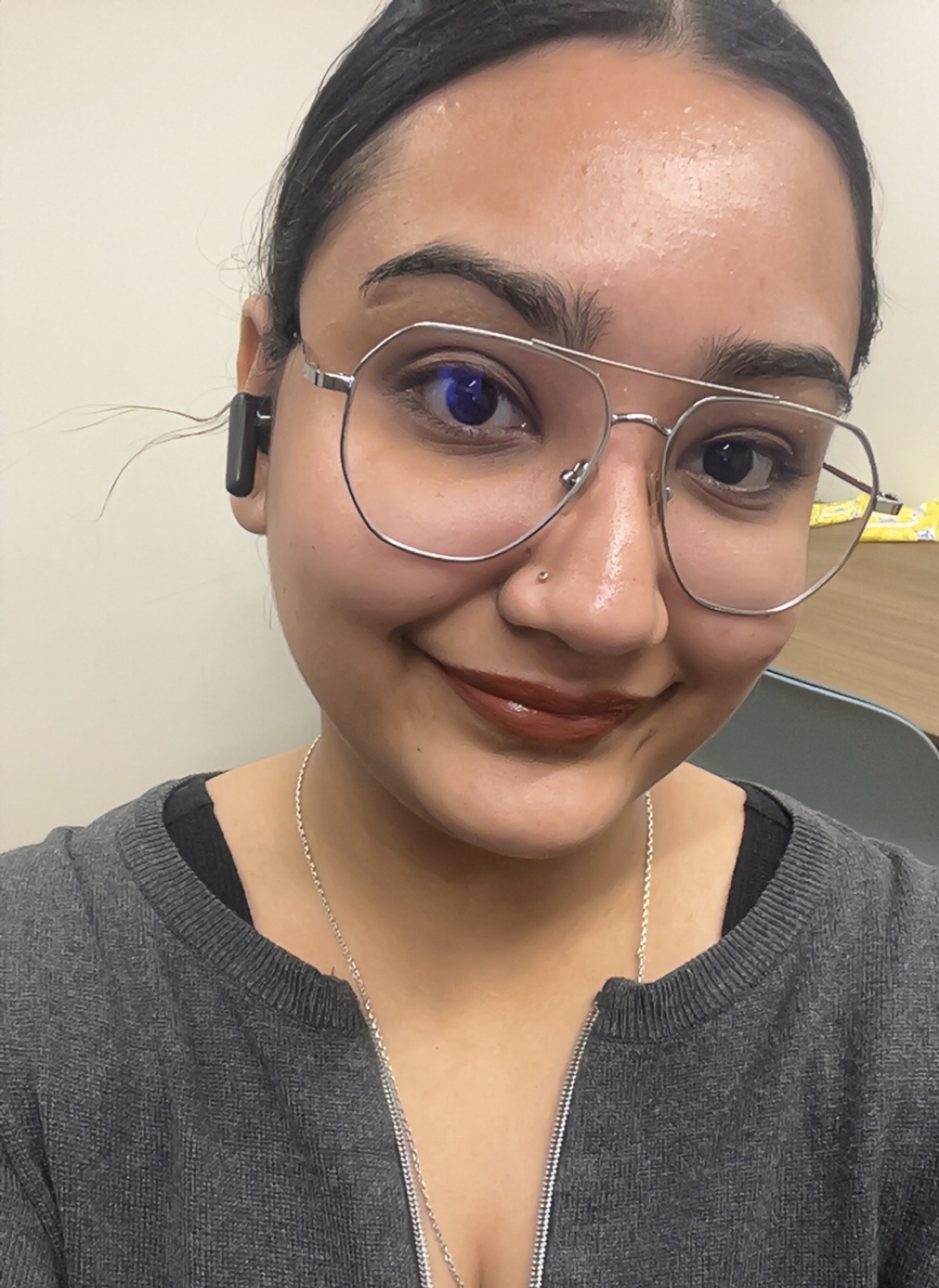
Deepakshi Deep
Community Care Centre Support Staff, Student Association, george brown college
Deepakshi Deep (she/her) is an international student who arrived in Canada in 2022. She graduated with Honours from George Brown College, where she completed the esteemed Community Worker Program. This two-year academic journey not only honed her skills but also enabled her to engage deeply with the
local community, including a transformative placement at the renowned FCJ Refugee Centre. Currently, Deepakshi serves as a dedicated Full-Time Support Staff member at the Community Care Centre within the Student Association of George Brown College, where she continues to make meaningful contributions to student well-being and community development.
local community, including a transformative placement at the renowned FCJ Refugee Centre. Currently, Deepakshi serves as a dedicated Full-Time Support Staff member at the Community Care Centre within the Student Association of George Brown College, where she continues to make meaningful contributions to student well-being and community development.

Laraine Hale
Indigenous Counsellor, george brown college
Laraine is a woman of mixed ancestry (English, Irish, and Haudenosaunee) a mother, daughter, sister, auntie, and friend. She began her ‘career’ at the dinner table. The seventh of eight children, Laraine learned early the value of ‘listening’ (probably because she couldn’t get a word in edgewise!). This habit gave way to understanding the wealth of diversity that exists in perception, beliefs and understanding. Wishing to expand on these skills she gained her ‘formal’ training in Social Work, achieving both undergraduate and graduate degrees in Social Work. Her professional pursuits span over 30 years and encompass the roles of clinician, researcher, educator, and consultant. She is currently employed with George Brown College as their Indigenous Counsellor, teaches part-time at Trent University and has a small private practice. These experiences inform and inspire her investment in the lives of individuals, families, groups and First Nation, Metis, and Inuit communities where she continues to listen, share and learn. She is invested in advancing Reconciliation efforts personally and professionally and remains a passionate advocate for fostering anti-oppressive spaces and interfaces.

Yukiko Ito
Senior Coordinator Health Benefits, Student Association, george brown college
Yukiko Ito is a Senior Coordinator Health Benefits at the Student Association (SA) of George Brown College and oversees the student insurance plan since 2006. She graduated from the Health Information Management program at George Brown College and continues her passion in the filed by proactively educating students about their student insurance at the SA. Committed to supporting students, Yukiko encourages the importance of heath and well-being while achieving their academic goals.

Kate Klein
Teaching & Learning Exchange Associate and Professor, Transitions to Post-Secondary Education Program, George brown college
Kate Klein (they/them) has worked at George Brown College for more than ten years, in a number of roles championing dignity, care, and autonomy in the student experience. They are a full-time faculty member in the Transitions to Post-Secondary Education program, teaching courses that focus on cultivating students’ curiosity and exploring reparative experiences around school and learning wounds. Outside of George Brown they are a writer, community organizer, trainer/facilitator, and conflict mediator.

Kelly Kwon
Senior Manager, Health, Safety and Wellness, in the People and Culture division, George Brown College
Kelly Kwon is the Senior Manager, Health, Safety and Wellness, in the People and Culture division at George Brown College. She has worked in the education sector for 15 years and throughout her career, she has worked closely with academic leaders, support staff, administrators, unions, and students to promote healthy and safe working and learning environments that foster well-being. She has been involved in various initiatives and committees that have a nexus with health, safety, and wellness, such as the Accessibility for Ontarians with Disabilities Act committees, critical incidence response teams, Truth and Reconciliation working group, and institutional wellness committees. Kelly holds a B.Sc. from Queen's University, a B.A.Sc. in Occupational Health and Safety from Toronto Metropolitan University, and Master's in Industrial Relations and Human Resources from the University of Toronto.

Lara Lukaniuk
Registered social worker and Faculty Counsellor, George Brown College
Lara Lukaniuk is a Registered Social Worker and Faculty Counsellor at George Brown College, where she also serves as a Complex Case Manager within the Counselling and Student Well-Being department. With over 14 years of experience in clinical mental health and community-based settings, Lara specializes in providing individual, family, and group counselling, as well as case management services to diverse populations. At George Brown College, Lara champions a holistic, campus-wide approach to promoting student mental health and well-being.
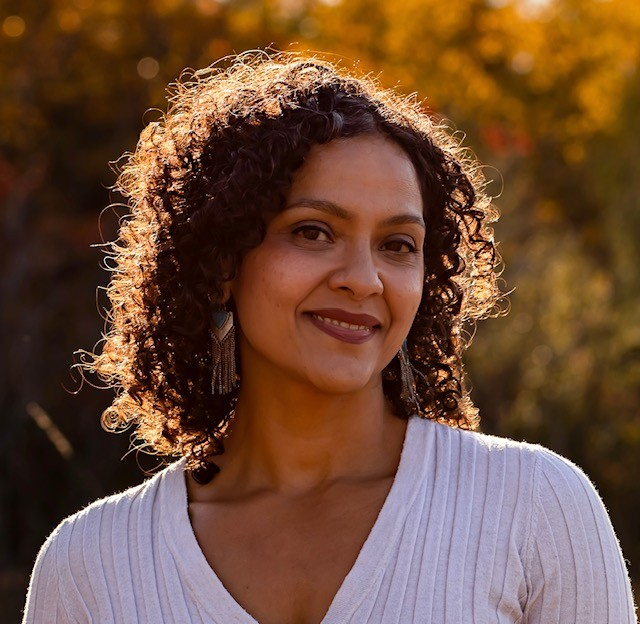
Zeba Luxmore
Registered Psychotherapist and Counsellor, Counselling Services team George Brown College
I feel grateful to have worked as a Counsellor with the Counselling Services team at George Brown for 19 years. Supporting students within this role has been a fulfilling, rewarding experience. Hearing and holding their stories has evoked an ongoing curiosity in me about others and I am interested in understanding and celebrating our differences, taking into account intersectionality and privilege and cultivating a sense of inclusion and belonging.

Susie Mensah
Social Service Worker and Cultural Worker
Susie Mensah (she/her) is a Social Service Worker and Cultural Worker based in Tkaronto. A proud alumna of George Brown College, Susie is passionate about community building by implementing Afrocentric & queer practices. Currently serving as the Coordinator for Black Futures Initiative, she supports program curation, capacity building and community engagement. Her intellectual lineage consists of artists and writers such as Bell Hooks, Toni Morrison, and Dominique Christina. Drawing from their legacies, she remains committed to creating spaces of healing, learning, and belonging that center on Black joy and collective care.
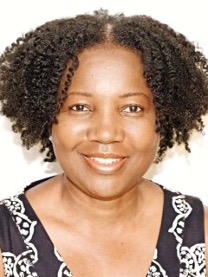
Carla Moore
professor, Centre for Business, School of Human Resources, George Brown College
Carla (she/her) is currently a professor at the Centre for Business, School of Human Resources at George Brown College. Prior to joining academia, she worked at the generalist and leadership levels of Human Resources in the financial services and not-for-profit sectors. Carla received her undergraduate degree from York University, Master of Industrial Relations and Human Resources from the Centre of Industrial Relations and Human Resources, University of Toronto, and a doctoral degree from Royal Roads University. Carla has served on several not-for profits boards in the capacity of Board Member and Chair of the Human Resources and Compensation Committee.
In her earlier years, Carla’s community work and involvement included volunteering with several organizations including the Jamaican Canadian Association (JCA), African Canadian Heritage Association (ACHA), Junior Achievement Canada and the Heritage Singers.

Allison Murray
Accessibility Consultant, George Brown College
Allison Murray (she/her) is an Accessibility Consultant at George Brown College, where she has been advancing inclusive practices in Construction, Engineering, and Computer Technology programs for the past three years. With an undergraduate degree in Psychology and a Master’s in Critical Disability Studies, she brings a strong academic foundation and extensive community experience to her role. Allison is dedicated to fostering equity and accessibility in all that she does. Outside of her professional life, she is passionate about food and exploring the outdoors, which inspire her creativity and connection to others.

Selena Norman
Campus Community Lead at the Centre for Innovation in Campus Mental Health (CICMH)
Selena (she/her) is the Campus Community Lead at the Centre for Innovation in Campus Mental Health (CICMH). Her work there revolves around creating toolkits and information sheets to support campus wellbeing, alongside supporting campus-community partnerships that work to increase capacity in supporting student mental health and wellbeing. Her educational background includes a Master of Public Health (MPH) from the University of Waterloo, a Behavioural Science Technician Diploma from George Brown College, and a Bachelor of Arts (BA) in Psychology from the University of Ottawa.
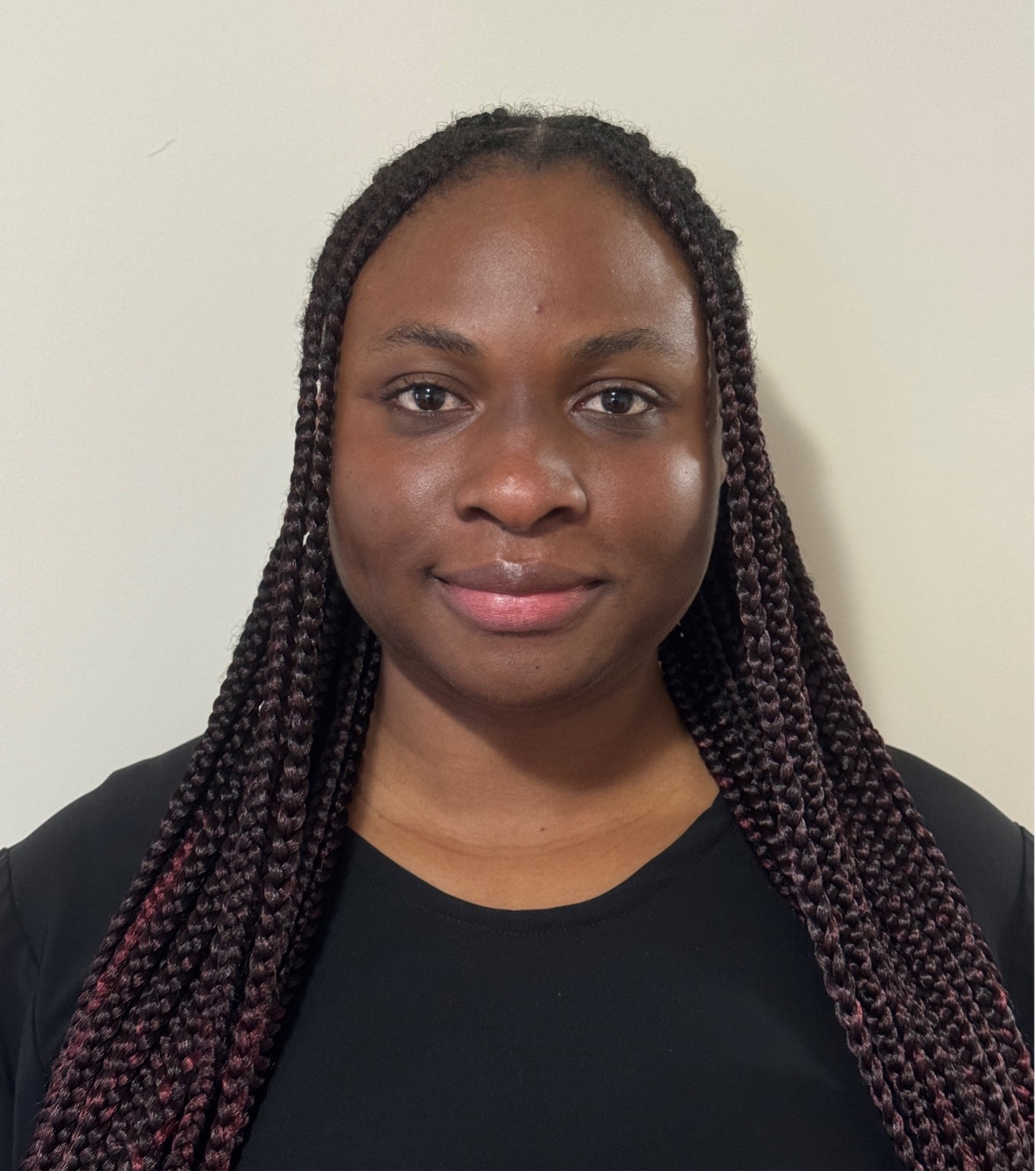
Olufunmilayo Oguntoyinbo
Community Care Centre Support Staff, Student Association, George Brown College
Olufunmilayo ‘Funmi’ Oguntoyinbo (She/Her) works as a Support Staff at the Community Care Centre of the Student Association at George Brown College. With lived experience as an international student, Funmi brings a deep understanding of the challenges faced by diverse communities. She is dedicated to promoting inclusive spaces where individuals feel heard, supported, and empowered. She is also passionate about advocating for mental health, peer support, and overall well-being.
Funmi’s commitment to Diversity, Equity, and Inclusion (DEI) motivates her to create meaningful change, ensuring that everyone, especially marginalised groups, has access
to the resources and support they need to thrive.
Funmi’s commitment to Diversity, Equity, and Inclusion (DEI) motivates her to create meaningful change, ensuring that everyone, especially marginalised groups, has access
to the resources and support they need to thrive.
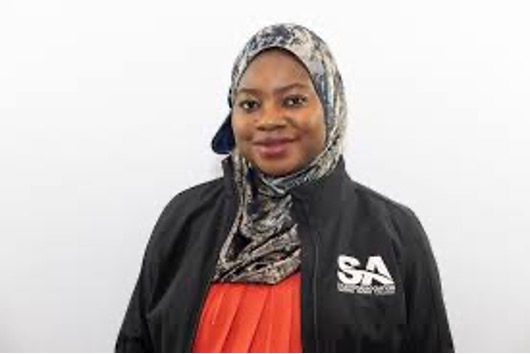
Barichisu Osman Abugbila
Student, Child and Youth Care, George Brown College
Barichisu Osman Abugbila is a third year Child and Youth Care Student, a member of the Black Futures Do Tank Committee and sits on the Student Association Board as the Community Services and Early Childhood Educational Centre Representative.

Johanna Peffer
Faculty Member, George Brown College School of ESL
Johanna Peffer began her teaching career in Szczecin, Poland. She has been a faculty member at The School of ESL at George Brown College since 2006. She has taught and developed curriculum and materials for multiple courses and international partnerships. She was a teacher trainer in the college’s TESL program and regularly mentors student teachers.
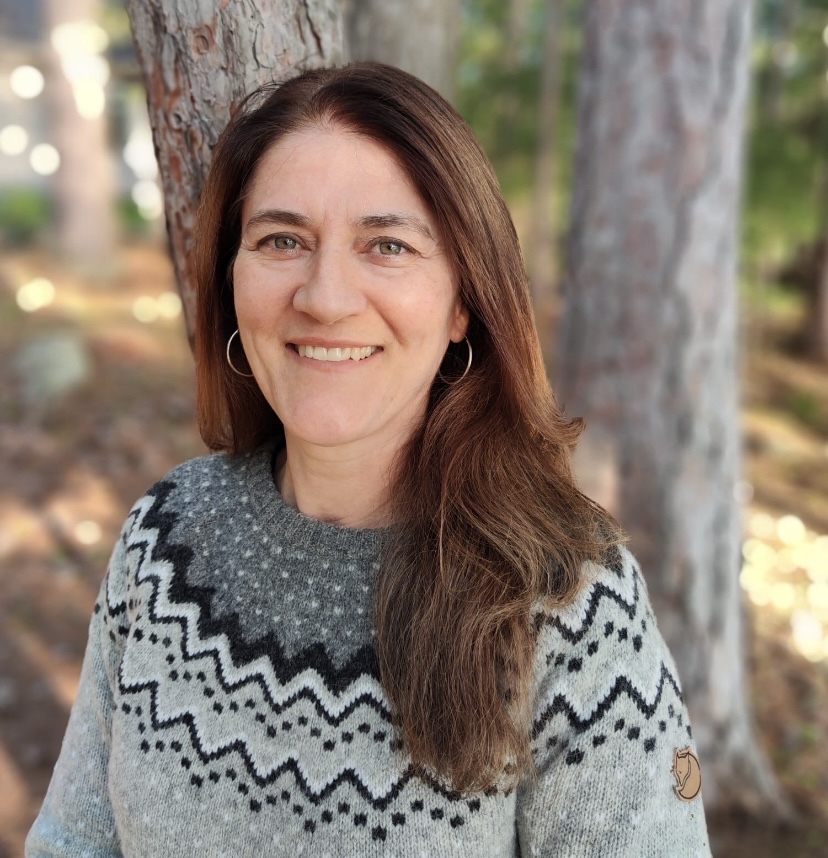
Andrea Rankin
Professor, George Brown College School of ESL
Andrea has taught English language learners in Thailand, South Korea, China, and Canada. At the School of ESL, she has worked in the classroom and coordinators’ office. She is experienced in developing curriculum, writing course books, and creating original multi-media material for in-person and online learning.
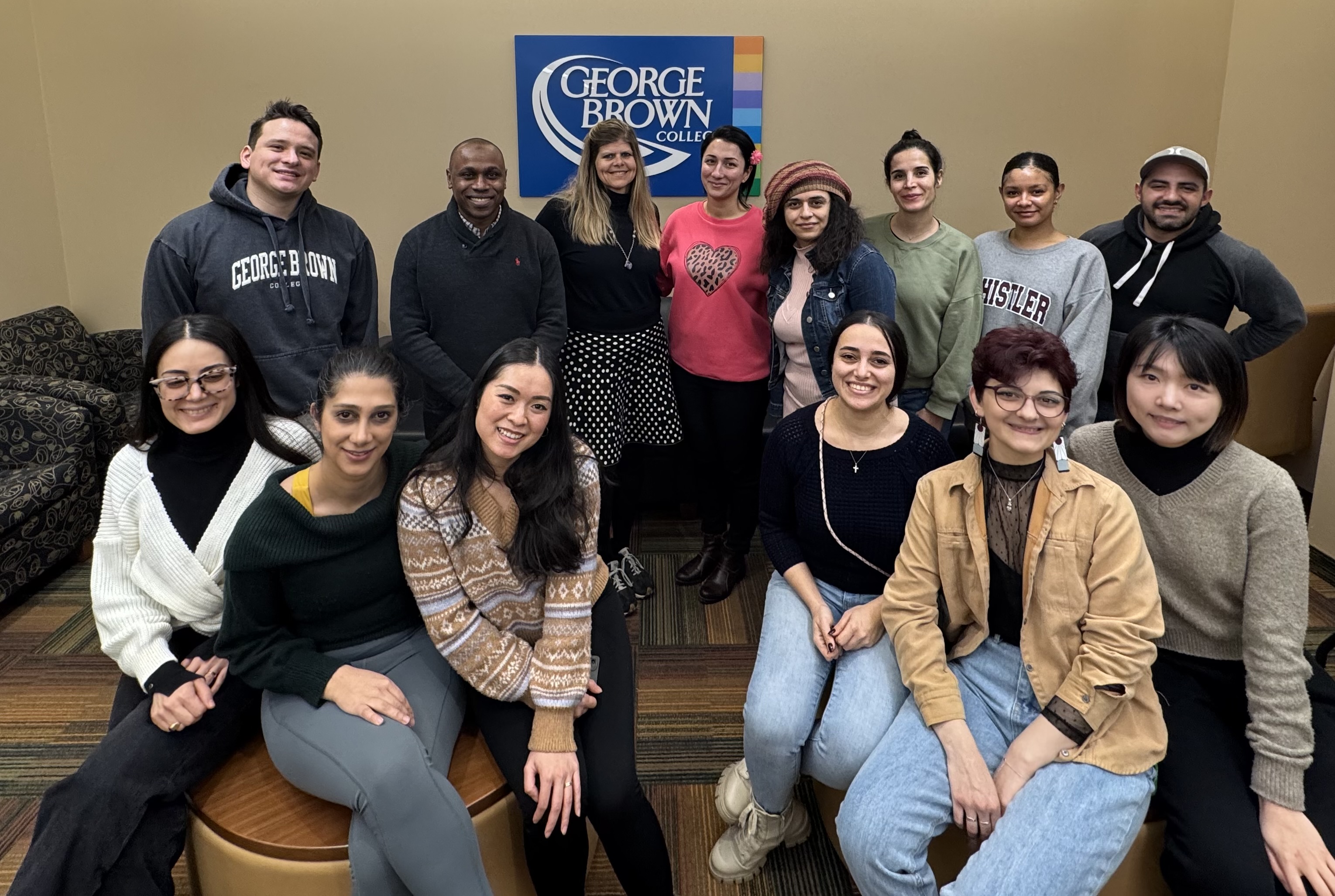
The Student Success Team at the School of ESL
George Brown College
The Student Success Team at the School of ESL: Empowering Students for Over 15 Years within a Strong, Supportive and Vibrant Community.
Established over 15 years ago at the School of ESL, the Student Success Team is dedicated to supporting both international and domestic students in achieving their academic, personal and professional goals in a welcoming community. We provide a wide range of comprehensive support services, including personal guidance, mentoring, & leadership opportunities, class support, referrals, volunteering, sports & wellness programming, networking events and resources tailored to each student's unique needs, all within a safe environment, cultivating connection and a sense of belonging. Our team is committed to fostering an inclusive and supportive environment at GBC, ensuring that every student can thrive in and outside of the classroom.
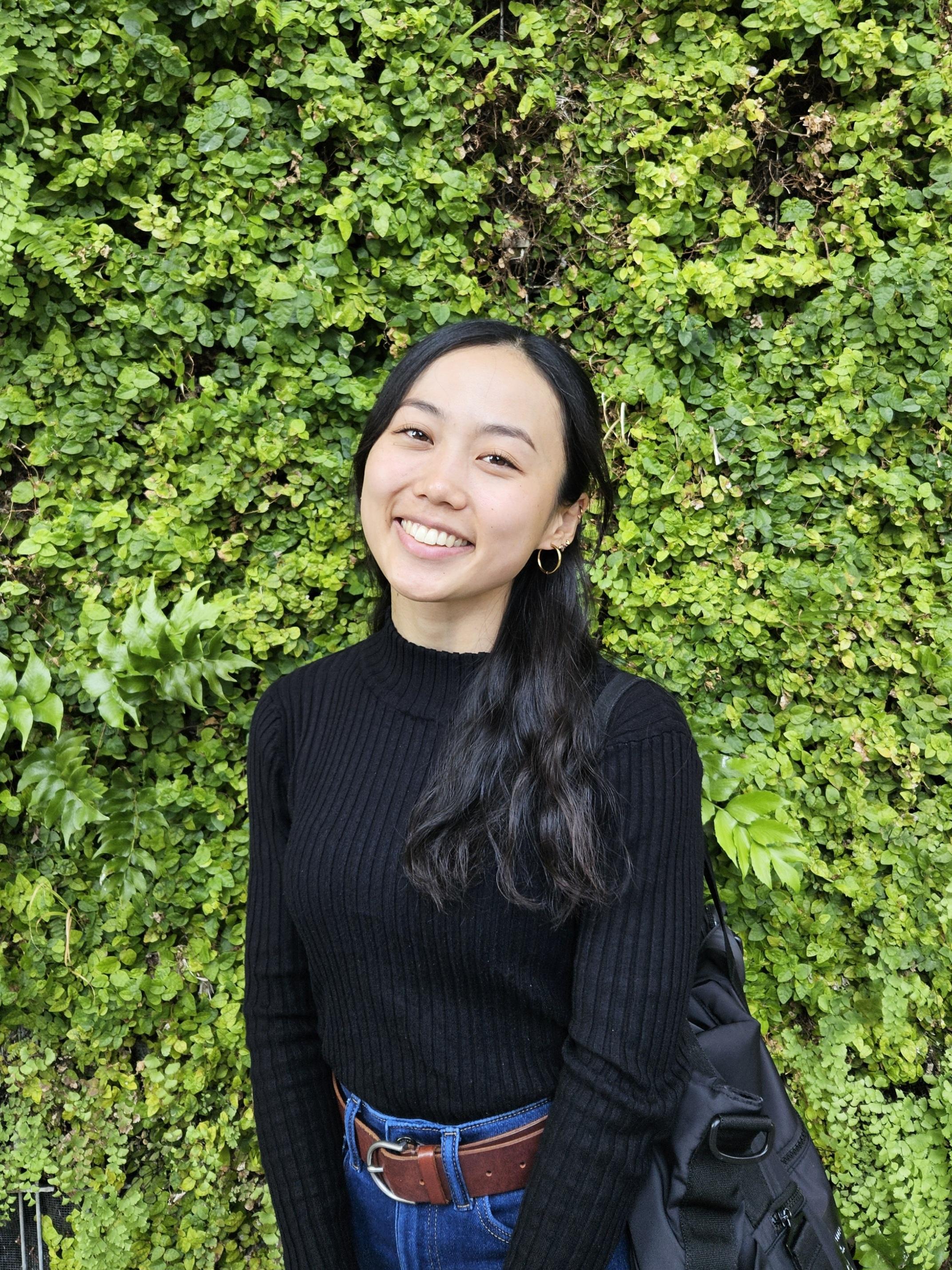
Ruka Watanabe
Student Nutrition Access Program (SNAP) Coordinator, Student Association, George Brown College
Ruka Watanabe (she/her) works as the Student Nutrition Access Program (SNAP) Coordinator
at the Student Association of George Brown College, where she works closely with the SNAP team to deliver diverse student food security initiatives and other related wellness programming to support George Brown College’s student community eat well, learn well, and feel well. In her role, she draws from her academic learnings which includes a Master of Social Work, work experiences in community health and student support, as well as lived experience as a former international student, newcomer, and immigrant. In all aspects of her life, she strives to center values of care, love, and reciprocity. She holds a lot of love for the natural world, which nurtures and sustains her, and grows joy through gardening, running, creating art, and many others.
at the Student Association of George Brown College, where she works closely with the SNAP team to deliver diverse student food security initiatives and other related wellness programming to support George Brown College’s student community eat well, learn well, and feel well. In her role, she draws from her academic learnings which includes a Master of Social Work, work experiences in community health and student support, as well as lived experience as a former international student, newcomer, and immigrant. In all aspects of her life, she strives to center values of care, love, and reciprocity. She holds a lot of love for the natural world, which nurtures and sustains her, and grows joy through gardening, running, creating art, and many others.
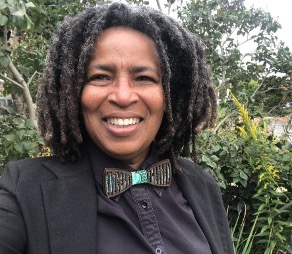
Natalie Wood
Professor, Social Service Work Program, George Brown College
Natalie Wood (she/her/they) often describes herself as wearing 3 kinds of bowties; She is a Professor in the Social Service Work Program at George Brown College (GBC) who is partially seconded as the Lead Researcher for the Black Futures Research Studio; a Social Innovation/ Social Economy specialist interested in Black and Queer liberation practices; and an award winning visual and media artist completing a research-creation PhD focused on Black Queer resistance in the performance of Blue Devil Mas.
She is a co-founder of the York University’s Environmental and Urban Change (EUC) Black Caucus, a past fellow at Black Lives Matter’s Wildseed Centre for Art and Activism, a co-founder of the Blue Devil Moko Jumbie Mas Camp, as a GBC Professor she is one of the visionaries of the Black Futures Initiatives and a co-founder of the late GBC Social Innovation Hub (2014-2018) which is now a course she teaches.
Selected awards include an SSHRC grant, several York University, Ontario Graduate Scholarships and Fellowships, Dean’s Certificate of Recognition at EUC’s Faculty 2024, a Black Leadership Award from the Black Student Success Network at GBC 2017, Community Based Research Award of Merit, from the Centre for Urban Health Initiatives & the Wellesley Institute 2007, the New Pioneers Award for contribution to Arts and Culture 2006, and the City of York Civic Recognition Award for using the Arts to support marginalized communities 1997 and numerous grants and awards from Toronto, Ontario and Canada Arts Council. Her artwork is represented by Paul Petro Contemporary Art Gallery.

Kate Wren
Complex Mental Health Case Manager
Kate Wren is an experienced social worker with 19 years of dedication to supporting individuals in both community and post-secondary settings. She began her career as a case manager at the Canadian Mental Health Association (CMHA) before transitioning to a role as a complex mental health case manager at George Brown College. Currently, Kate serves as the interim Manager of Counselling and Student Wellbeing at GBC. With a strong passion for supporting the mental wellness of individuals with complex needs, she brings a wealth of expertise to her work. Kate holds a Master’s in Social Work and is committed to fostering a supportive environment for students and community members alike.

Ximing Yao
Academic Coordinator, Student Association, George Brown College
Ximing Yao has been serving as an Academic Coordinator at the Student Association of George Brown College since 2023. She holds a Master of Education degree in Educational Psychology from McGill University and brings over three years of experience in post-secondary student services/ support. Recognizing the vital importance of mental health in academic settings, Ximing is passionate about guiding students through their academic journeys and helping them address their academic concerns by seamlessly integrating academic excellence with robust
mental health support.
mental health support.
Faculty & Student Panel

Ishaa Chopra
Student, George Brown College
In her debut Memoir ‘Finding Order in Disorder’ Ishaa Vinod Chopra addresses in lucid, simple prose what it is like to be diagnosed with bipolar disorder, how it affects interpersonal relationships, and how societal norms influence our understanding of and responses to mental health issues. She provides therapeutic coping mechanisms such as Dance, Art, Yoga, and 'Mad Poetry' which helped with her lived experiences in Mental Health and being a survivor of domestic abuse in her previous marriage. She holds a BFA in Kathak and a Diploma in Early Childhood. She is in her last year of an Honours Bachelor at George Brown College, Toronto, Canada. Her first article was published in the Association of Early Childhood Educators of Ontario (AECEO), eceLINK journal, where she delves into her lived experiences as a ‘Mad’, BIPOC educator and artist and is deeply inspired by her Research Internship Professor, Dr. Adam W.J Davies.
She aims to foster empathy, positivity, and self-awareness while sparking mental health discussions and reducing self-stigmas by creating safe spaces for stigmatized conversations in committees such as the George Brown AODA (Accessibility of Ontarians with Disabilities Act) sub-committee, Sunnybrook Patient and Family Advisory Committee(s) and a chair of GBC Early Childhood Advocates Club. As a Member Artist of the Workman Arts Organization funded by CAMH, she integrates dance therapy into the community for healing and expression by infusing Latin, Indian Classical and Folk styles as a facilitator.

Dillon Maillet
Student, George Brown College
Dillon Maillet, is a 25-year-old Marketing and Business Administration student at George Brown College, graduating this spring with an Ontario Advanced College Diploma. Dillon is a dynamic, high-energy, and experienced individual, currently working in the events department at the College’s Student Association and part-time at Winerack. His diverse experience spans various fields, including a past career in theatre and corporate event production. Dillon’s mental health journey has been tumultuous, but he has developed many ways to improve himself and his mental health, and loves helping others on their journey too.
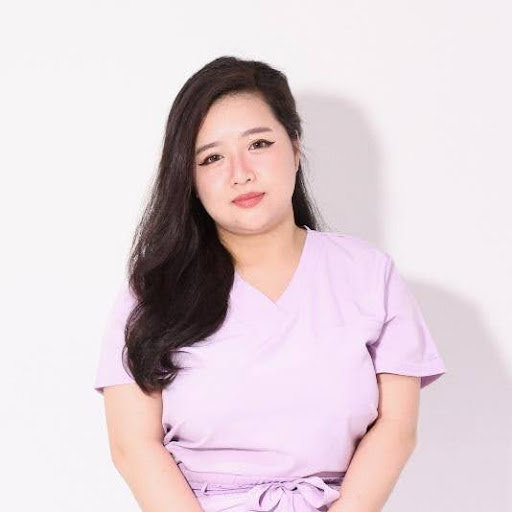
Helen Mok
Student, george brown college
Helen is a final-year dental hygiene student passionate about mental health advocacy and holistic well-being. Working as a Peer Mentor has given her the opportunity to support fellow students in navigating the challenges of academic life while fostering a sense of community. As a former content creator, Helen connected with a global audience by sharing authentic experiences, which deepened my understanding of the power of community and open dialogue. Helen is excited to share her journey on this panel and hopes to inspire others to embrace their mental health and personal growth.

Dr. Patricia Mazzotta
Professor, Nursing, george brown college
Dr. Patricia Mazzotta is passionate about the discipline and profession of nursing. Patricia’s career in healthcare and academia has spanned over two decades, during which she has made it her mission to champion the values of equity, diversity, and inclusion. Patricia has worked withstudents, community stakeholders and international organizations, taking part in medical missions across least developed countries. Dr. Mazzotta embodies the spirit of acceptance and equality, always striving for social justice and addressing social determinants of health. Beyond her professional commitments, she enjoys traveling, volunteering, reading, and spending quality time with her friends and family.
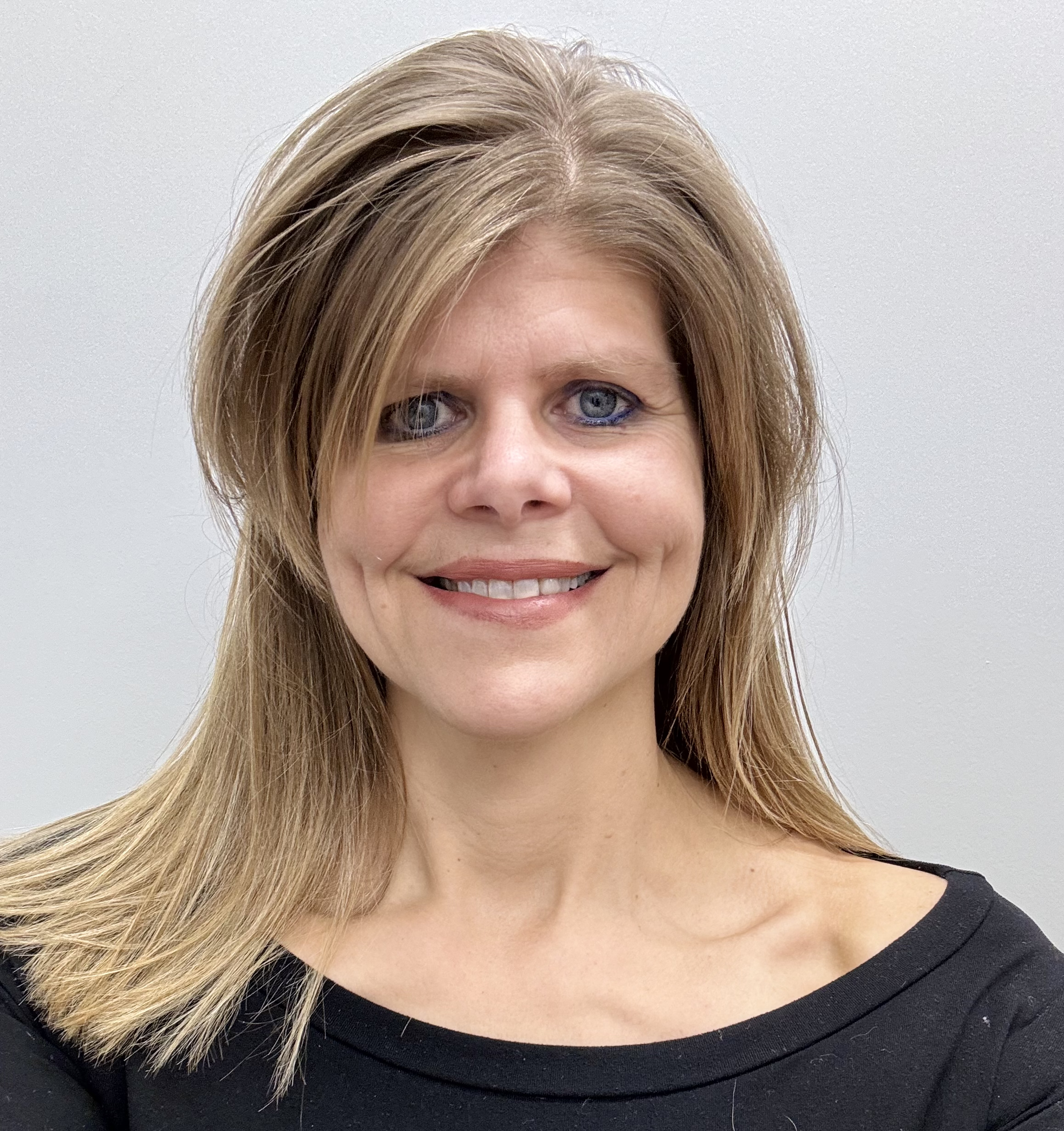
Dorothy Van Grootheest
Professor & Coordinator, the Student Success Program at the School of ESL, george brown college
Dorothy Van Grootheest is a Professor and Coordinator of the Student Success Program at the School of ESL, and has been teaching at George Brown College since 2004. Dorothy holds a joint Master of Education in Comparative, International and Development Education (CIDE) and Second Language Acquisition (SLA) from the Ontario Institute for Studies in Education (OISE) at the University of Toronto, a Bachelor of Education from the University of Toronto, and a joint Bachelor of Arts in International Relations and French from York University. Dorothy is passionate about co-creating a collaborative learning community with the Student Success Team at the School of ESL, providing safe spaces for students and coaches to connect, learn, grow and support and empower each other.
Thank You To Our Sponsors
Gold Sponsors


Silver Sponsors
Conference Location
George Brown College - St. James Campus - C Building
290 Adelaide St E, Toronto, Ontario, Canada
290 Adelaide St E, Toronto, Ontario, Canada