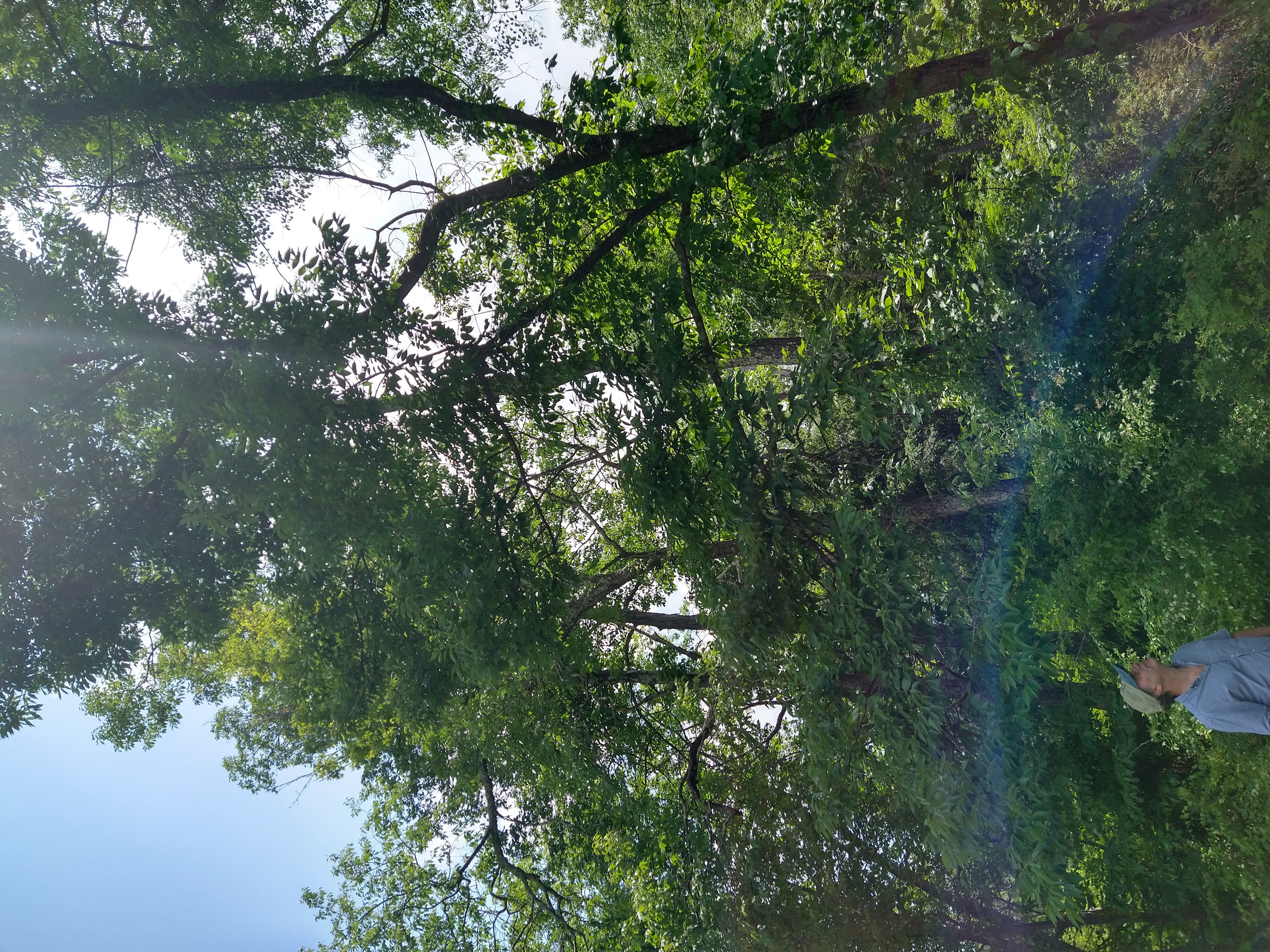
Although emerald ash borer (EAB) typically kills nearly 100% of the mature native ash trees it encounters in the Northeast, a small percentage of them not only survive, but remain healthy years after the vast majority of nearby trees have been killed. These trees, which have been found for every widespread Northeastern ash species, are known as “lingering ash” and provide hope because some have EAB resistance that can be increased by using material from them in selective breeding programs.
In many parts of Western New York, EAB has been present for so long that nearly all the native ash have been killed, and even the lingering ash are in danger of declining and dying because their resistance is typically only partial (hence the need for selective breeding). Thus, there is an urgent need to collect the necessary data to detect and report lingering ash before it is too late.
This special workshop, aimed at natural resource professionals and citizen-scientists experienced in rigorous data collection, will include training in the protocols of the Ecological Research Institute's Monitoring and Managing Ash (MaMA) program, which enables widespread detection of lingering ash through 1) data collection that determines where and when to search for lingering ash; and 2) integrating lingering ash detection into ash management. MaMA has already detected over 260 lingering ash in long-invaded areas of New York and Connecticut, and enabled collection of material from many of them for resistance breeding at Cornell University. MaMA now plays a prominent role in the Tree Species in Peril initiative led by The Nature Conservancy in collaboration with the US Forest Service.
In addition to hands-on training in MaMA's data collection projects, the workshop will also include a roundtable discussion in which we will collaboratively strategize how we can most efficiently allocate our efforts to enable widespread lingering ash detection across the region.
Space for this workshop is limited, so please make sure to register soon. If you have any questions, please email them to [email protected], and for more information on MaMA, visit www.MonitoringAsh.org.
We will go off-trail, so we encourage you to wear muck boots and take all other measures to be prepared for possible encounters with thorny plants (which we'll try our best to avoid), biting bugs, etc. When you arrive at the parking lot kiosk, please let the attendant know that you're attending the workshop so you will not be charged the park entry fee.
Workshop presented by ERI in collaboration with the New York State Office of Parks, Recreation and Historic Preservation and funded by the Tree Species in Peril initiative.
In many parts of Western New York, EAB has been present for so long that nearly all the native ash have been killed, and even the lingering ash are in danger of declining and dying because their resistance is typically only partial (hence the need for selective breeding). Thus, there is an urgent need to collect the necessary data to detect and report lingering ash before it is too late.
This special workshop, aimed at natural resource professionals and citizen-scientists experienced in rigorous data collection, will include training in the protocols of the Ecological Research Institute's Monitoring and Managing Ash (MaMA) program, which enables widespread detection of lingering ash through 1) data collection that determines where and when to search for lingering ash; and 2) integrating lingering ash detection into ash management. MaMA has already detected over 260 lingering ash in long-invaded areas of New York and Connecticut, and enabled collection of material from many of them for resistance breeding at Cornell University. MaMA now plays a prominent role in the Tree Species in Peril initiative led by The Nature Conservancy in collaboration with the US Forest Service.
In addition to hands-on training in MaMA's data collection projects, the workshop will also include a roundtable discussion in which we will collaboratively strategize how we can most efficiently allocate our efforts to enable widespread lingering ash detection across the region.
Space for this workshop is limited, so please make sure to register soon. If you have any questions, please email them to [email protected], and for more information on MaMA, visit www.MonitoringAsh.org.
We will go off-trail, so we encourage you to wear muck boots and take all other measures to be prepared for possible encounters with thorny plants (which we'll try our best to avoid), biting bugs, etc. When you arrive at the parking lot kiosk, please let the attendant know that you're attending the workshop so you will not be charged the park entry fee.
Workshop presented by ERI in collaboration with the New York State Office of Parks, Recreation and Historic Preservation and funded by the Tree Species in Peril initiative.
Location
Evangola State Park
117 Evangola State Park Rd, Pavilion - Banquet Room, Irving, NY 14081
117 Evangola State Park Rd, Pavilion - Banquet Room, Irving, NY 14081
Date & Time
Tuesday, June 30, 2026
9:00 AM - 12:00 PM
(Rain date: Wednesday, July 1, 2026)
9:00 AM - 12:00 PM
(Rain date: Wednesday, July 1, 2026)


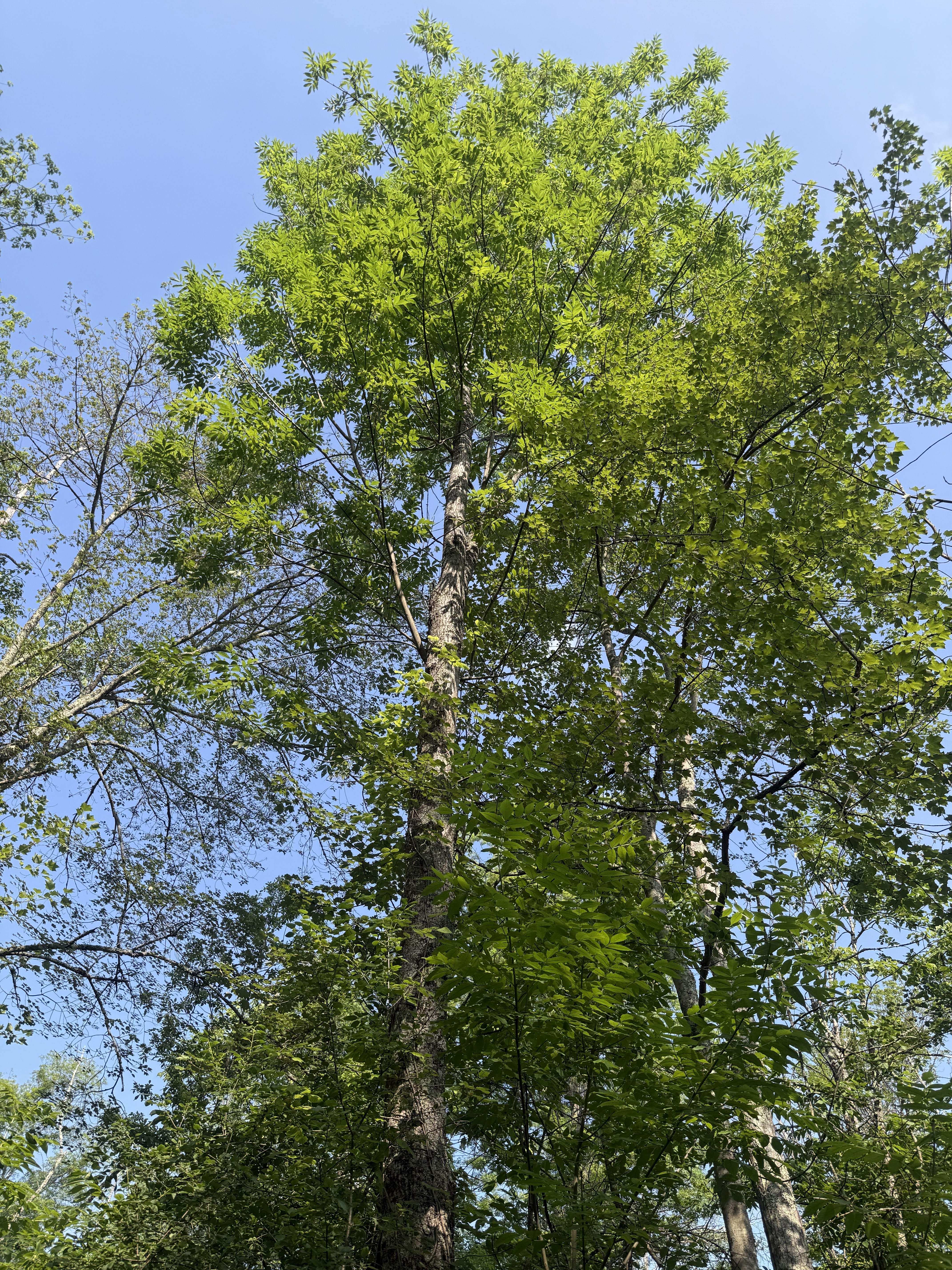
Large lingering black ash (20.5" DBH) found in 2025 at Hudson Valley site that first had EAB signs in 2014.