Although EAB devastates mature native ash, a small percentage not only survive, but remain healthy years after the rest of the nearby ash have been killed. The U.S. Forest Service has shown that such “lingering ash” can be used to breed highly resistant native ash. In consultation with the USFS, the Ecological Research Institute (ERI) developed the Monitoring and Managing Ash (MaMA) program, which facilitates lingering ash detection through data collection and appropriate management practices. MaMA has already detected 180 strictly defined lingering ash (including white, green and black), with material collected from many of them used for resistance breeding at Cornell.
This field workshop is a follow-up to the Monitoring and Managing Ash: How You Can Help Enable Lingering Ash Detection for Resistance Breeding webinar hosted by the Connecticut Land Conservation Council on July 1; if you have not already viewed the webinar, please make sure to view the recording of it, as it is a requirement for participation in the field workshop.
Following a presentation on particular aspects of field data collection, we will head into the woods at Great Mountain Forest for hands-on training.
You’ll learn how to:
After the workshop and a break (please bring your own bag lunch), anyone interested is encouraged to carpool with us to Aton Forest’s Egler Preserve to see ash in different habitats and join with Preserve staff in initiating establishment of an ash mortality monitoring plot there.
We suggest you wear boots and long pants and take all other appropriate precautions against ticks and poison ivy.
This workshop will be led by the MaMA program leaders, Jonathan Rosenthal and Dr. Radka Wildova of ERI. For more information on MaMA, visit www.MonitoringAsh.org.
Questions? Email us at [email protected].
This field workshop is a follow-up to the Monitoring and Managing Ash: How You Can Help Enable Lingering Ash Detection for Resistance Breeding webinar hosted by the Connecticut Land Conservation Council on July 1; if you have not already viewed the webinar, please make sure to view the recording of it, as it is a requirement for participation in the field workshop.
Following a presentation on particular aspects of field data collection, we will head into the woods at Great Mountain Forest for hands-on training.
You’ll learn how to:
- do Rapid Ash Mortality Assessments so you can determine whether mortality is high enough for remaining healthy trees to qualify as lingering ash.
- document and report lingering ash for use in resistance breeding.
- get involved in collecting scion (twigs) from lingering ash for resistance breeding.
- establish monitoring plots that guide the regional search for lingering ash.
After the workshop and a break (please bring your own bag lunch), anyone interested is encouraged to carpool with us to Aton Forest’s Egler Preserve to see ash in different habitats and join with Preserve staff in initiating establishment of an ash mortality monitoring plot there.
We suggest you wear boots and long pants and take all other appropriate precautions against ticks and poison ivy.
This workshop will be led by the MaMA program leaders, Jonathan Rosenthal and Dr. Radka Wildova of ERI. For more information on MaMA, visit www.MonitoringAsh.org.
Questions? Email us at [email protected].
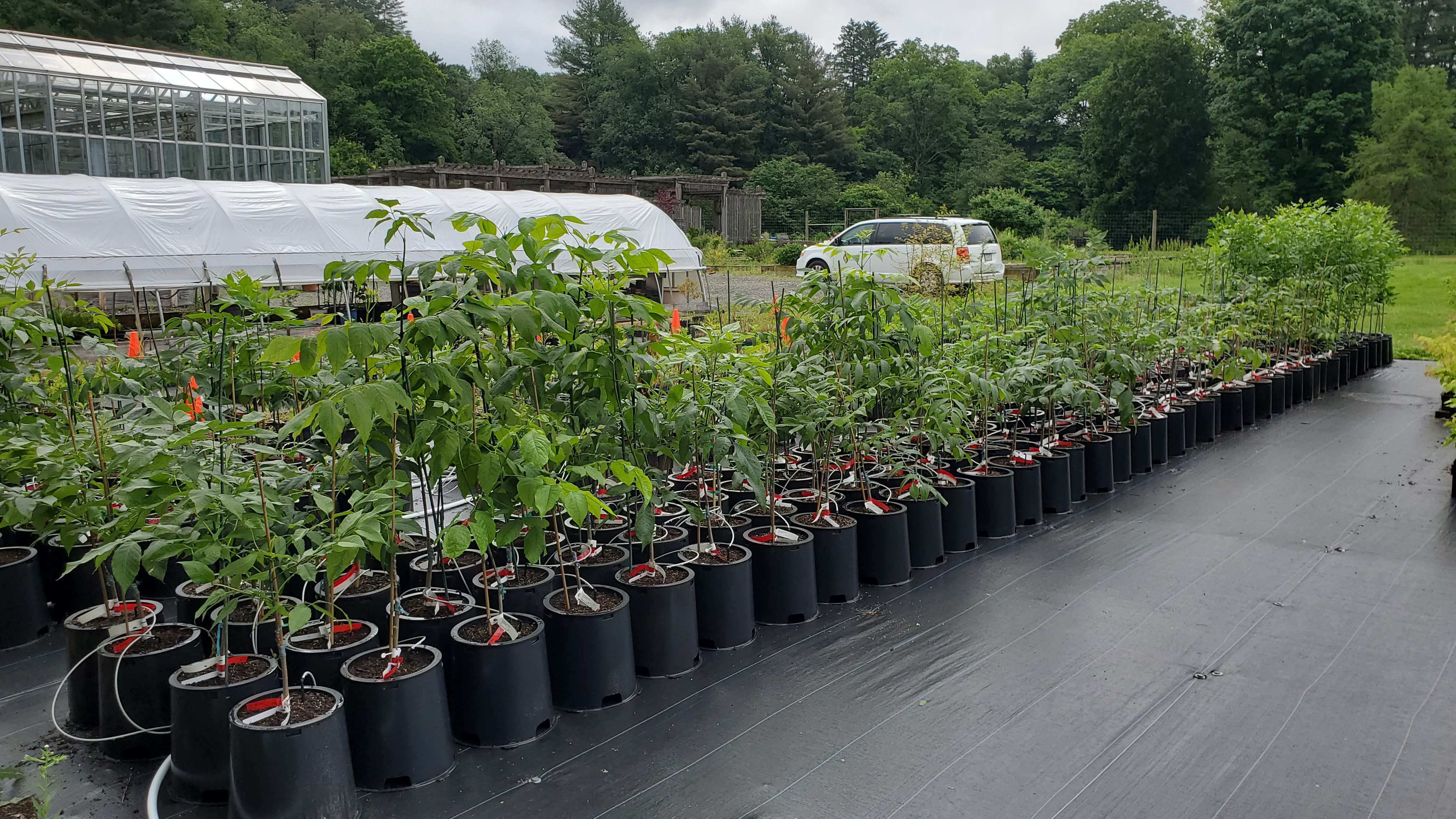
Clone bank from lingering ash, Cornell Botanic Gardens, five months after grafting; photo T. Bittner.
Location
Great Mountain Forest
Yale Camp
209 Chattleton Rd, Falls Village, CT 06031
(followed by optional add-on at Aton Forest’s Egler Preserve)
Yale Camp
209 Chattleton Rd, Falls Village, CT 06031
(followed by optional add-on at Aton Forest’s Egler Preserve)
Date & Time
Tuesday, July 29, 2025
9:30 AM - 12:30 PM
9:30 AM - 12:30 PM

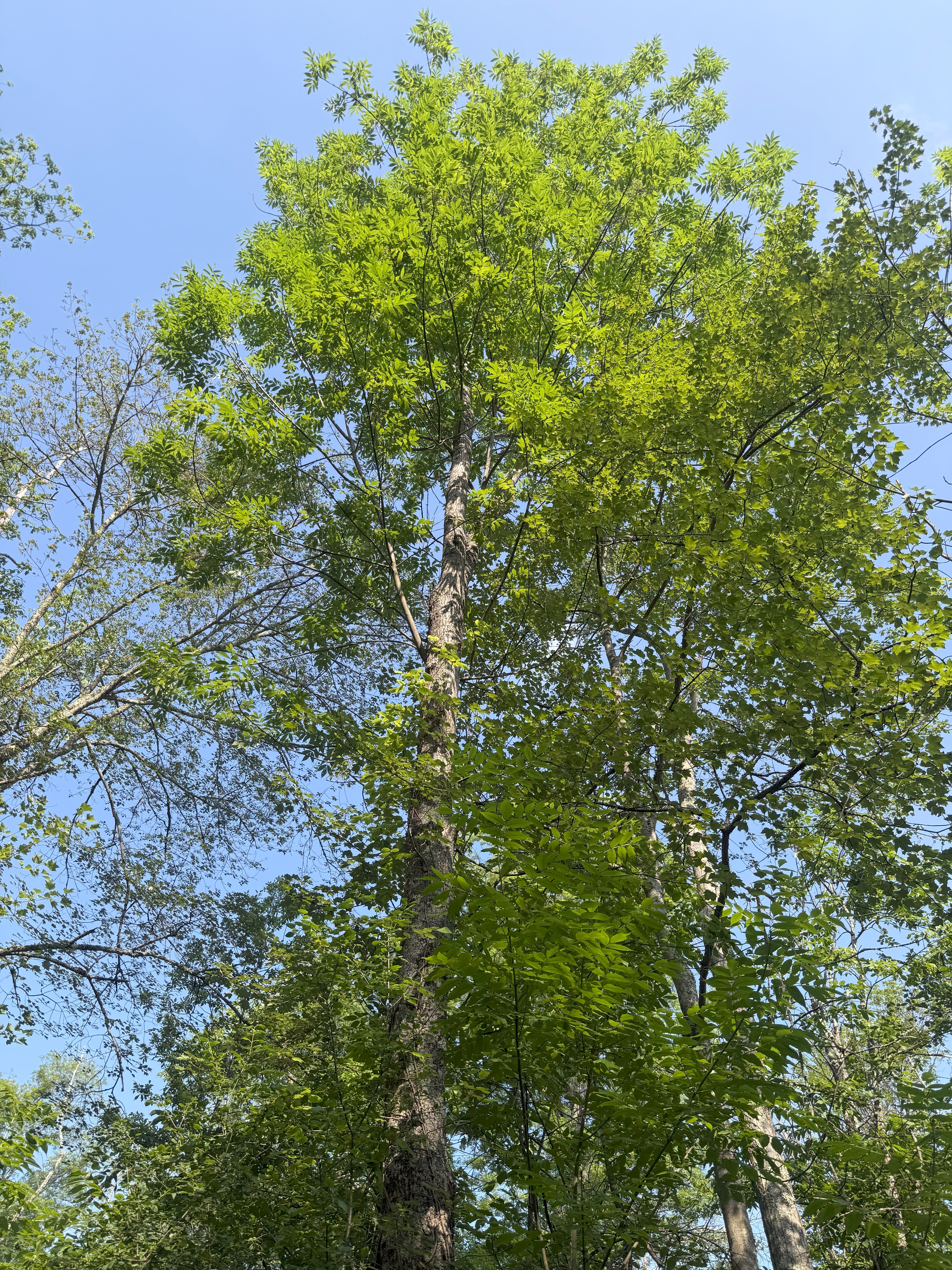
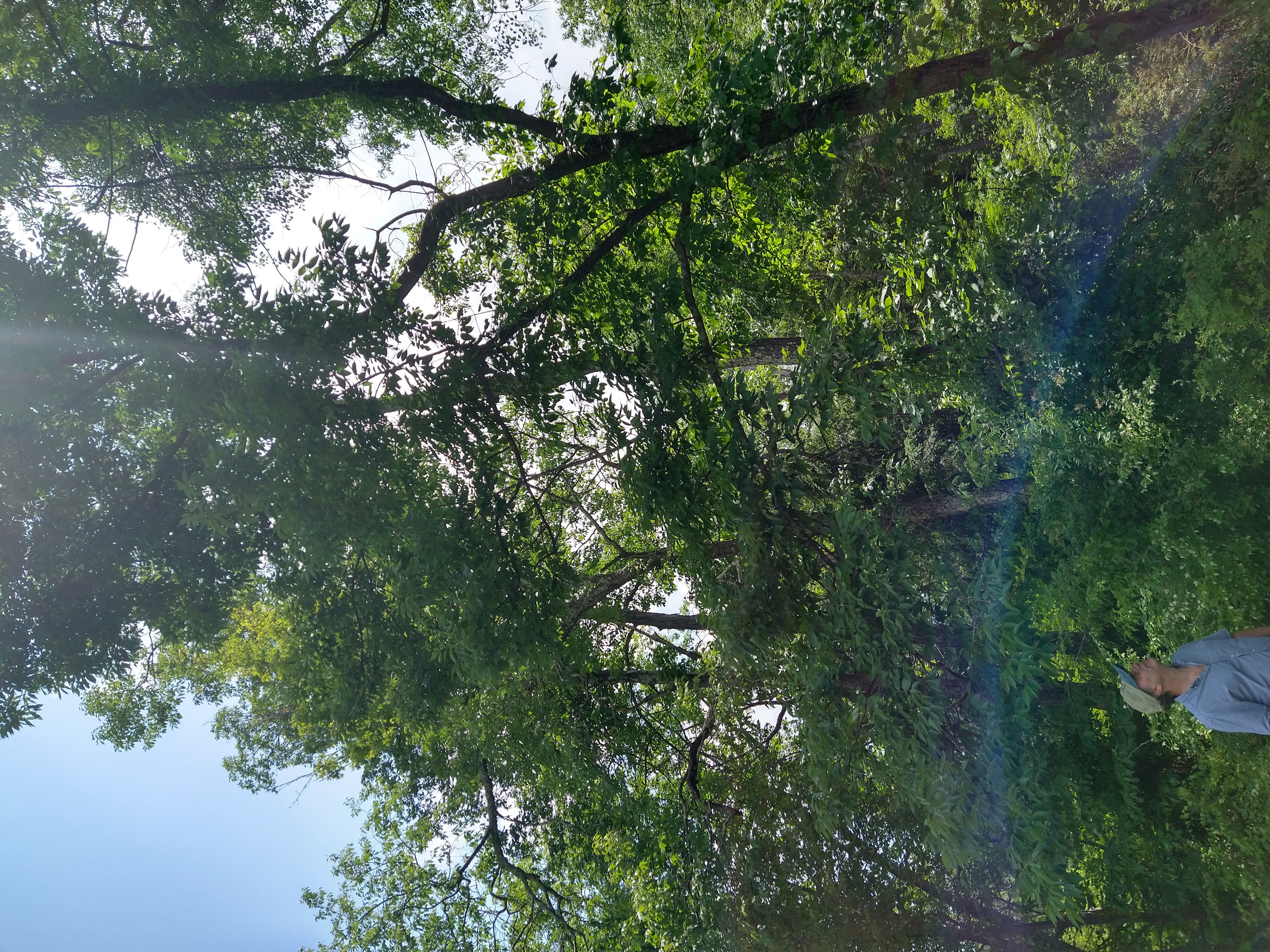
Lingering black ash, Hudson Valley, 2025; photo R. Wildova.