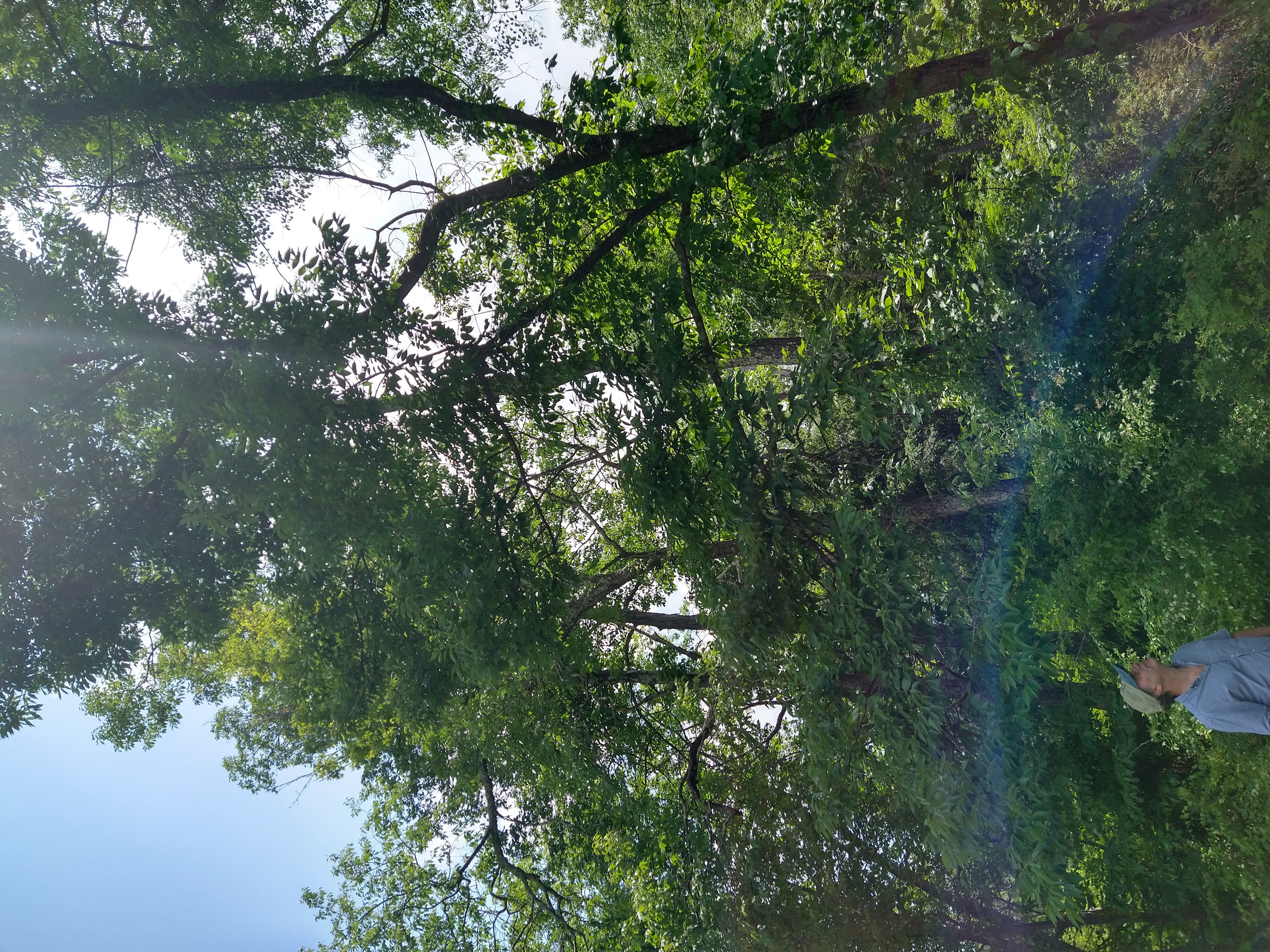
Although emerald ash borer (EAB) typically kills nearly 100% of the mature native ash trees it encounters in the Northeast, a small percentage not only survive, but remain healthy years after the vast majority of nearby trees have been killed. These trees, which have been found for every widespread Northeastern ash species, are known as “lingering ash” and provide hope because some have EAB resistance that is being used to breed highly resistant trees.
The Ecological Research Institute (ERI) developed the Monitoring and Managing Ash (MaMA) program, which facilitates detection of lingering ash through 1) data collection that determines where and when to search for lingering ash; and 2) integrating lingering ash detection into ash management.
MaMA has already detected over 260 lingering ash in long-invaded areas of New York and Connecticut, and enabled collection of material from many of them for resistance breeding at Cornell University. MaMA now plays a prominent role in the Tree Species in Peril initiative led by The Nature Conservancy in collaboration with the US Forest Service.
In this workshop, presented by the MaMA program's directors, you will learn about how you can participate in MaMA’s research projects and how to incorporate lingering ash detection into ash management. After an overview presentation on MaMA at the National Historical Park's Forest Center, we will go to a black ash stand at the Upper Valley Land Trust's Old Town Farm for hands-on training in all of MaMA’s research projects, including MaMA Rapid Ash Mortality Assessment (MaMA RAMAs), how to establish ash monitoring plots and and how to search for and report lingering ash.
Space for this workshop is limited, so please make sure to register soon. If you have any questions, please email them to [email protected], and for more information on MaMA, visit www.MonitoringAsh.org.
We suggest you wear boots and long pants and take other appropriate precautions against possible encounters with biting bugs.
Workshop presented by ERI in collaboration with Marsh-Billings-Rockefeller National Historical Park and Upper Valley Land Trust and is funded by the Tree Species in Peril initiative.
The Ecological Research Institute (ERI) developed the Monitoring and Managing Ash (MaMA) program, which facilitates detection of lingering ash through 1) data collection that determines where and when to search for lingering ash; and 2) integrating lingering ash detection into ash management.
MaMA has already detected over 260 lingering ash in long-invaded areas of New York and Connecticut, and enabled collection of material from many of them for resistance breeding at Cornell University. MaMA now plays a prominent role in the Tree Species in Peril initiative led by The Nature Conservancy in collaboration with the US Forest Service.
In this workshop, presented by the MaMA program's directors, you will learn about how you can participate in MaMA’s research projects and how to incorporate lingering ash detection into ash management. After an overview presentation on MaMA at the National Historical Park's Forest Center, we will go to a black ash stand at the Upper Valley Land Trust's Old Town Farm for hands-on training in all of MaMA’s research projects, including MaMA Rapid Ash Mortality Assessment (MaMA RAMAs), how to establish ash monitoring plots and and how to search for and report lingering ash.
Space for this workshop is limited, so please make sure to register soon. If you have any questions, please email them to [email protected], and for more information on MaMA, visit www.MonitoringAsh.org.
We suggest you wear boots and long pants and take other appropriate precautions against possible encounters with biting bugs.
Workshop presented by ERI in collaboration with Marsh-Billings-Rockefeller National Historical Park and Upper Valley Land Trust and is funded by the Tree Species in Peril initiative.
Location
Marsh-Billings-Rockefeller National Historical Park Forest Center. Please park at the Billings Farm & Museum, 69 Old River Rd, Woodstock, VT 05091.
Directions from the parking lot to the Forest Center.
Field portion 14 min drive to Old Town Farm, 2395 Wild Apple Rd, South Pomfret, VT 05067.
Directions from the parking lot to the Forest Center.
Field portion 14 min drive to Old Town Farm, 2395 Wild Apple Rd, South Pomfret, VT 05067.
Date & Time
Wednesday, July 29, 2026
9:00 AM - 12:00 PM
(Rain date: Thursday, July 30, 2026)
9:00 AM - 12:00 PM
(Rain date: Thursday, July 30, 2026)
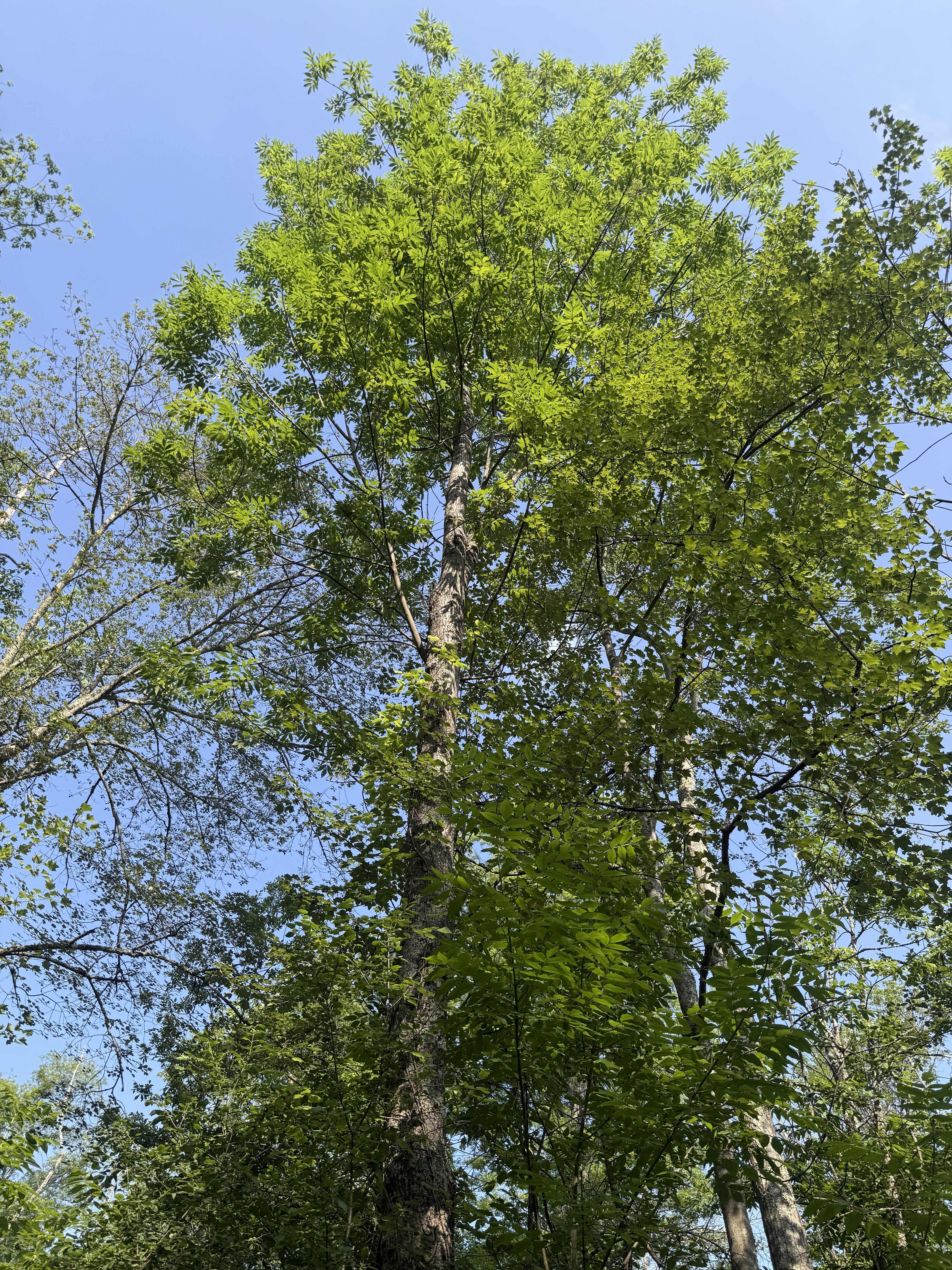
Large lingering black ash (20.5" DBH) found in 2025 at Hudson Valley site that first had EAB signs in 2014.