GENERAL OVERVIEW
The aim of this three-day course is to provide participants with a comprehensive understanding of forelimb alignment in dogs. The program will cover the principles of assessment, the different surgical techniques and approaches used to correct malalignment, and their clinical applications. Building on theoretical sessions, the course will conclude with hands-on practice using 3D-printed synthetic bones derived from real clinical cases, allowing participants to apply their knowledge in a practical and realistic setting.
This highly interactive format combines lectures, case discussions, planning exercises, and laboratory sessions to ensure that attendees gain both the theoretical background and the technical skills needed to approach forelimb alignment with confidence.
ANTEBRACHIUM
This section will cover practical, experience-based approaches to antebrachial deformities.
Faculty will present their personal strategies for managing monoapical mono- or bidirectional deformities, torsional deformities, and complex biapical bidirectional cases. Specific attention will be dedicated to short radius syndrome, unusual deformities, limb lengthening techniques, and the management of radial head luxation, providing participants with solutions for both common and challenging clinical scenarios.
This highly interactive format combines lectures, case discussions, planning exercises, and laboratory sessions to ensure that attendees gain both the theoretical background and the technical skills needed to approach forelimb alignment with confidence.
ANTEBRACHIUM
This section will cover practical, experience-based approaches to antebrachial deformities.
Faculty will present their personal strategies for managing monoapical mono- or bidirectional deformities, torsional deformities, and complex biapical bidirectional cases. Specific attention will be dedicated to short radius syndrome, unusual deformities, limb lengthening techniques, and the management of radial head luxation, providing participants with solutions for both common and challenging clinical scenarios.
HUMERAL DEFORMITIES
The course will explore varus and torsional deformities of the humerus as key factors in certain forms of elbow dysplasia. Different corrective strategies will be compared, including valgisation osteotomies versus sliding humeral osteotomy (SHO). The module will conclude with an advanced discussion on balancing the antebrachium, intentionally creating a deformity to resolve carpal instability.
The course will explore varus and torsional deformities of the humerus as key factors in certain forms of elbow dysplasia. Different corrective strategies will be compared, including valgisation osteotomies versus sliding humeral osteotomy (SHO). The module will conclude with an advanced discussion on balancing the antebrachium, intentionally creating a deformity to resolve carpal instability.
COMPLICATIONS
A final session will be dedicated to complications, openly discussed by all faculty members, with practical tips on
prevention, management, and decision-making in complex cases.
A final session will be dedicated to complications, openly discussed by all faculty members, with practical tips on
prevention, management, and decision-making in complex cases.
Speakers
We are extremely excited to showcase our impressive speakers:
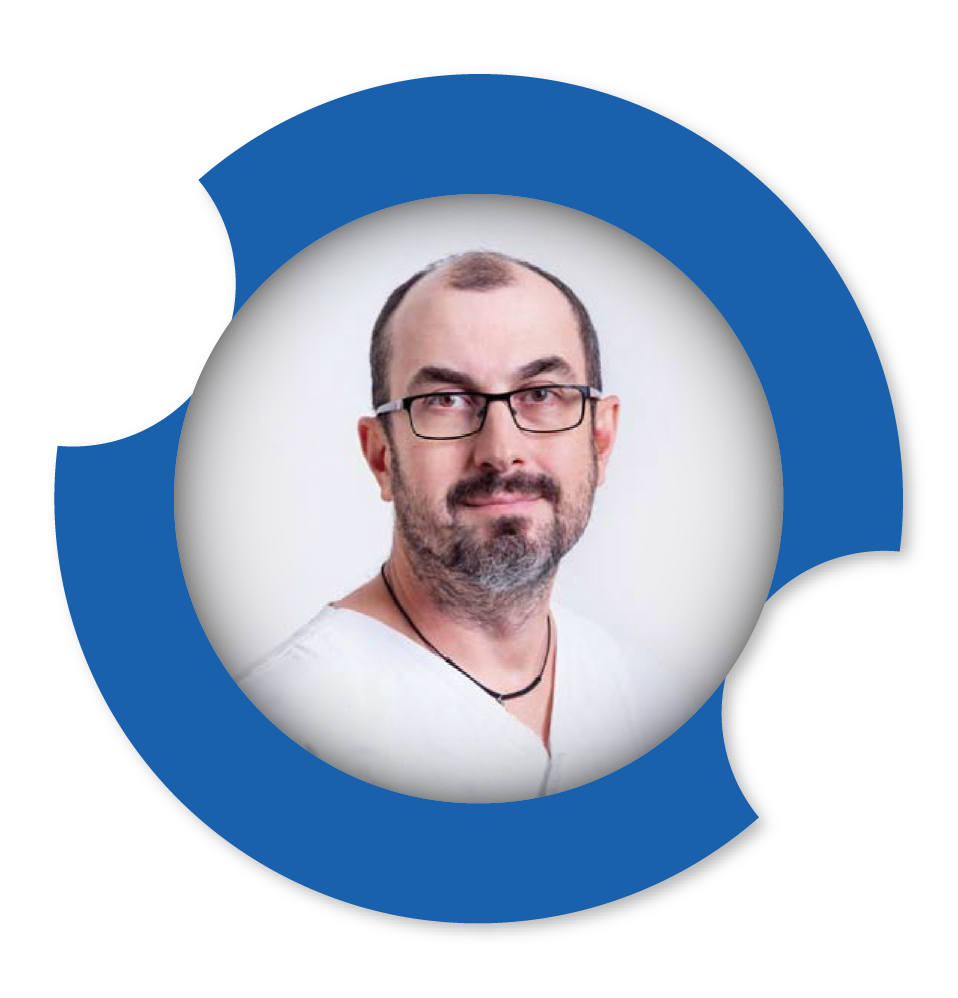
Dr. Jan Hnizdo (Director)
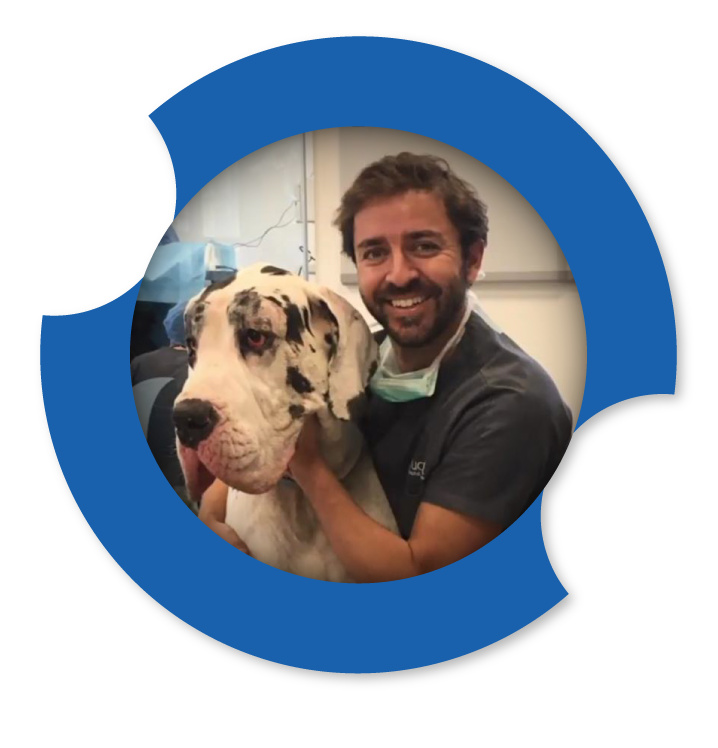
Dr. Pedro Godinho
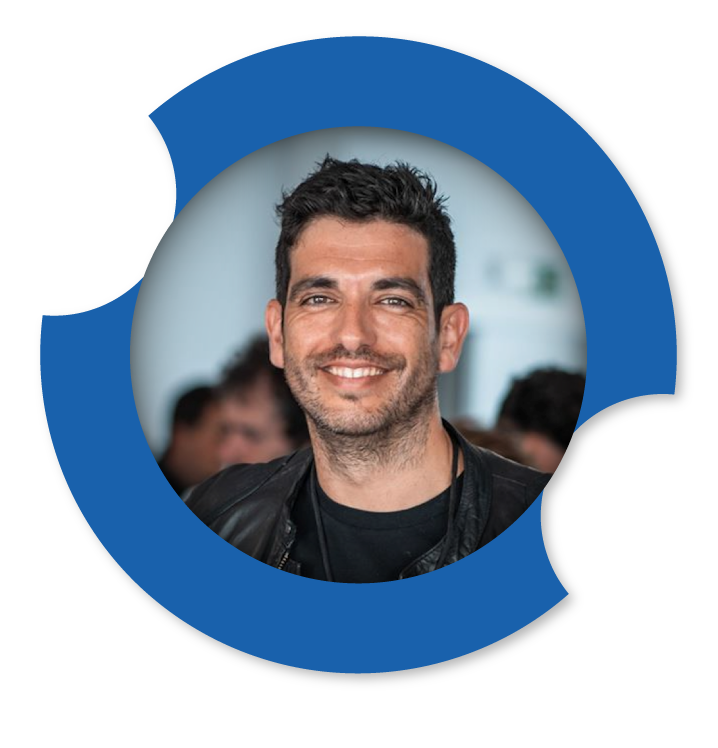
Dr. Jorge Leite
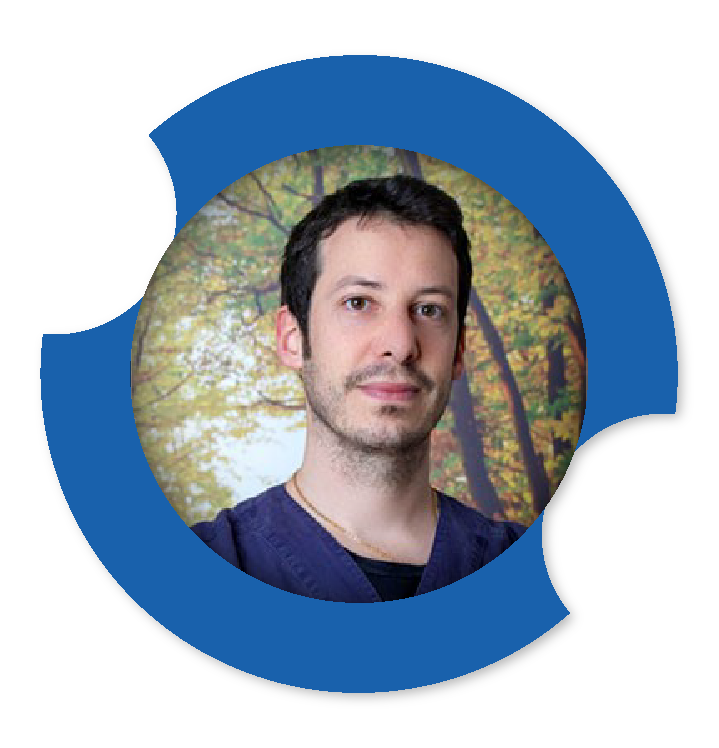
Dr. Tommaso Nicetto
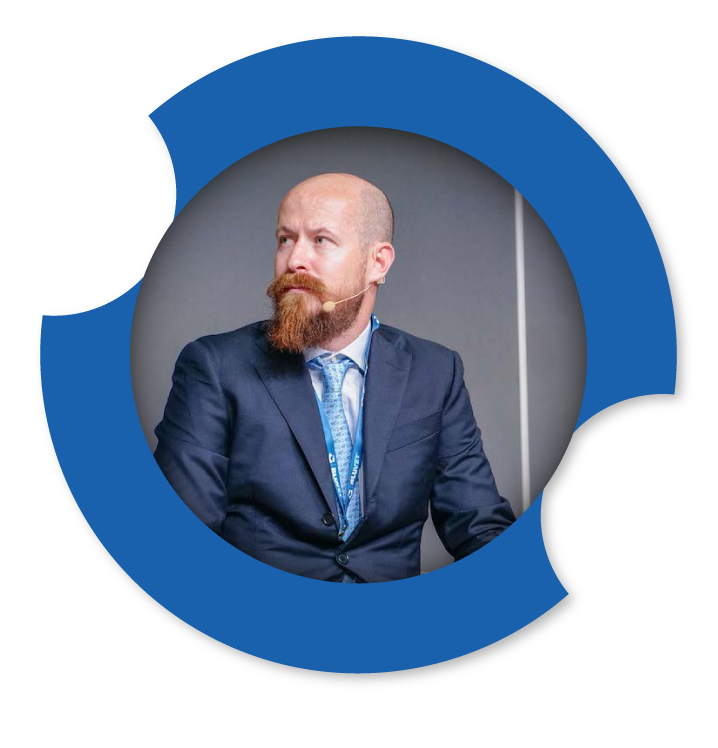
Dr. Luca Omodeo
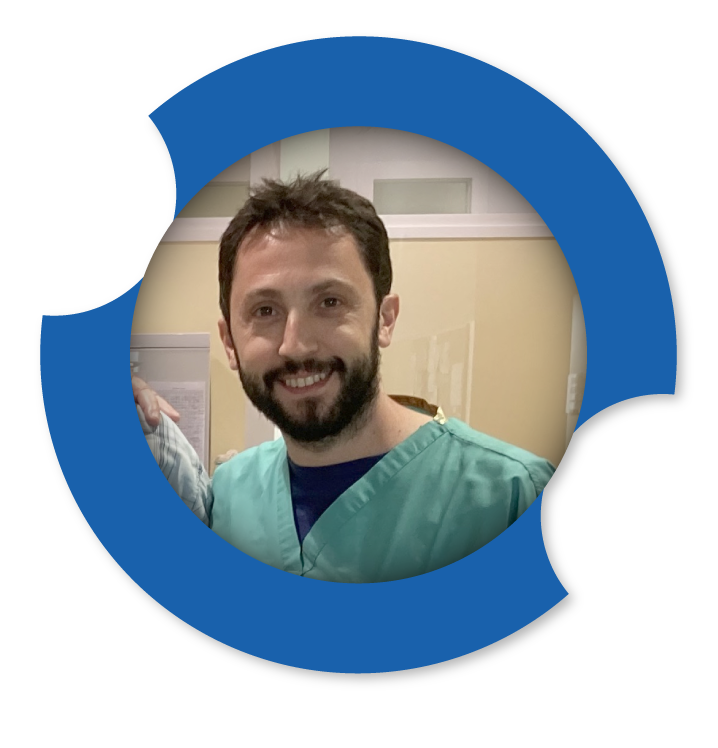
Dr. Luca Vezzoni
Don't miss out!
Registration is open until all places are filled, 24 places available. We look forward to seeing you there!
Agenda
/ Day 1 - Friday, November 13th
08.15 AM Registration
08.45 AM Welcome and introduction of the Master Class (Stefano Del Medico)
09.00 AM Clinical evaluation of patients with front limb deformities (Dr. Luca Vezzoni)
09.30 AM Introduction to CORA methodology (Dr. Jorge Leite)
10.00 AM Radiographic technique, references and terminology for the front limb (Dr. Tommaso Nicetto)
10.30 AM Coffee Break
11.00 AM Radiography of the antebrachium: understanding deformities from RX and CT (Dr. Luca Vezzoni)
11.30 AM Radiography of the humerus: how to understand deformities on RX and CT (Dr. Pedro Godinho)
12.00 PM Concept of Paley rules (Dr. Jorge Leite)
12.30 PM Planning software: Horos, VPOP, RadiAnt, Configurator etc (Dr. Jorge Leite)
01.00 PM Lunch Break
02.00 PM Finding the CORA: location, magnitude and plane (Radiographs vs CT) | (Jorge Leite)
02.30 PM Deformity correction planning the Graphic method (Dr. Tommaso Nicetto)
03.00 PM Bone lengthening - indications and techniques (Dr. Pedro Godinho)
03.30 PM Bone splitting osteotomies (Dr. Jorge Leite)
04.00 PM Bone shortening - indications and techniques (Dr. Jan Hnizdo)
04.30 PM Lab: Graphic method deformity planning
08.45 AM Welcome and introduction of the Master Class (Stefano Del Medico)
09.00 AM Clinical evaluation of patients with front limb deformities (Dr. Luca Vezzoni)
09.30 AM Introduction to CORA methodology (Dr. Jorge Leite)
10.00 AM Radiographic technique, references and terminology for the front limb (Dr. Tommaso Nicetto)
10.30 AM Coffee Break
11.00 AM Radiography of the antebrachium: understanding deformities from RX and CT (Dr. Luca Vezzoni)
11.30 AM Radiography of the humerus: how to understand deformities on RX and CT (Dr. Pedro Godinho)
12.00 PM Concept of Paley rules (Dr. Jorge Leite)
12.30 PM Planning software: Horos, VPOP, RadiAnt, Configurator etc (Dr. Jorge Leite)
01.00 PM Lunch Break
02.00 PM Finding the CORA: location, magnitude and plane (Radiographs vs CT) | (Jorge Leite)
02.30 PM Deformity correction planning the Graphic method (Dr. Tommaso Nicetto)
03.00 PM Bone lengthening - indications and techniques (Dr. Pedro Godinho)
03.30 PM Bone splitting osteotomies (Dr. Jorge Leite)
04.00 PM Bone shortening - indications and techniques (Dr. Jan Hnizdo)
04.30 PM Lab: Graphic method deformity planning
/ Day 2 - Saturday, November 14th
09.00 AM Front limb torsion: antebrachium vs metacarpals (Dr. Luca Vezzoni)
09.30 AM Monoapical deformity and torsion of the antebrachium (Dr. Tommaso Nicetto)
10.00 AM Surgical approach and technique for monoapical deformity correction (Dr. Pedro Godinho)
10.30 AM Coffee Break
11.00 AM Lab 1: CORA methodology on monoapical deformity
12.00 PM Biapical deformity of the antebrachium (Dr. Luca Vezzoni)
12.30 PM Lunch Break
01.30 PM Lab 2: Dry lab correction of monoapical deformity with torsion
02.30 PM DRD Jig and Rail Jig in complex front limb deformities (Dr. Jorge Leite)
03.00 PM Osteotomies for joint stabilisation (balancing osteotomies of the antebrachium) - (Dr. Jan Hnizdo)
03.30 PM Carpal Arthrodesis (Dr. Jan Hnizdo)
04.00 PM Correction without osteotomy: hemiepiphysiodeses in growing dogs with ALDs (Dr. Luca Omodeo)
04.30 PM Congenital elbow luxation and radial head luxation - a complex deformity problem (Dr. Luca Vezzoni)
09.30 AM Monoapical deformity and torsion of the antebrachium (Dr. Tommaso Nicetto)
10.00 AM Surgical approach and technique for monoapical deformity correction (Dr. Pedro Godinho)
10.30 AM Coffee Break
11.00 AM Lab 1: CORA methodology on monoapical deformity
12.00 PM Biapical deformity of the antebrachium (Dr. Luca Vezzoni)
12.30 PM Lunch Break
01.30 PM Lab 2: Dry lab correction of monoapical deformity with torsion
02.30 PM DRD Jig and Rail Jig in complex front limb deformities (Dr. Jorge Leite)
03.00 PM Osteotomies for joint stabilisation (balancing osteotomies of the antebrachium) - (Dr. Jan Hnizdo)
03.30 PM Carpal Arthrodesis (Dr. Jan Hnizdo)
04.00 PM Correction without osteotomy: hemiepiphysiodeses in growing dogs with ALDs (Dr. Luca Omodeo)
04.30 PM Congenital elbow luxation and radial head luxation - a complex deformity problem (Dr. Luca Vezzoni)
/ Day 3 - Sunday, November 15th
09.00 AM Elbow dysplasia – another deformity problem (Dr. Pedro Godinho)
09.30 AM Imaging in elbow dysplasia – where are we now? (Dr. Jan Hnizdo)
10.00 AM Arthroscopy in elbow dysplasia (Dr. Jan Hnizdo)
10.30 AM Coffee Break
11.00 AM The ulna: osteotomies for medial compartment syndrome (PUO, DUO, PAUL) - (Dr. Luca Vezzoni)
11.30 AM The humerus: osteotomies for medial compartment syndrome (SHO introduction) - (Dr. Pedro Godinho)
12.00 PM SHO outcomes (Dr. Jan Hnizdo)
12.30 PM SHO complications (Dr. Pedro Godinho)
01.00 PM Lunch Break
02.30 AM Length discrepancy management (radius/ulna) - (Dr. Tommaso Nicetto)
03.00 PM Introduction to the Intrauma Humerus System (Dr. Luca Vezzoni)
03.30 PM Lab: Launch of the new Intrauma humerus valgisation system
09.30 AM Imaging in elbow dysplasia – where are we now? (Dr. Jan Hnizdo)
10.00 AM Arthroscopy in elbow dysplasia (Dr. Jan Hnizdo)
10.30 AM Coffee Break
11.00 AM The ulna: osteotomies for medial compartment syndrome (PUO, DUO, PAUL) - (Dr. Luca Vezzoni)
11.30 AM The humerus: osteotomies for medial compartment syndrome (SHO introduction) - (Dr. Pedro Godinho)
12.00 PM SHO outcomes (Dr. Jan Hnizdo)
12.30 PM SHO complications (Dr. Pedro Godinho)
01.00 PM Lunch Break
02.30 AM Length discrepancy management (radius/ulna) - (Dr. Tommaso Nicetto)
03.00 PM Introduction to the Intrauma Humerus System (Dr. Luca Vezzoni)
03.30 PM Lab: Launch of the new Intrauma humerus valgisation system
Conference Location
Dusit Thani Dubai
133 Sheikh Zayed Road, United Arab Emirates
133 Sheikh Zayed Road, United Arab Emirates