Biofuels for Maritime Shipping: Connecting Minnesota Agriculture to Emerging Global Fuel Markets
Minnesota Renewable Energy Roundtable
Wednesday, December 16, 2026
9 am - 3 pm
Wednesday, December 16, 2026
9 am - 3 pm
Biofuels for Maritime Shipping: Connecting Minnesota Agriculture to Emerging Global Fuel Markets
Minnesota Renewable Energy Roundtable
December 16, 2026
9:00 AM - 3:00 PM
Join industry leaders, agricultural partners, biofuel producers, policy specialists, and transportation experts for a timely discussion about how Minnesota’s agricultural bioeconomy could participate in emerging markets for lower-carbon maritime fuels. As the shipping industry works to reduce greenhouse gas emissions, opportunities may develop for Midwest-produced ethanol, biodiesel, bio-LNG from renewable natural gas, and hydrogen-derived fuels such as ammonia and methanol.
Maritime shipping carries roughly 80% of global merchandise trade by volume. International decarbonization goals, evolving fuel standards, and new investments in vessels and bunkering infrastructure are increasing interest in lower-carbon marine fuels. For Minnesota, this transition could create new markets for agricultural commodities and renewable fuels while supporting investment in rural energy and fuel-supply infrastructure.
This one-day event will examine market opportunities, infrastructure requirements, technology pathways, and the practical challenges facing alternative marine fuels. Because these pathways differ considerably in commercial readiness, cost, emissions performance, vessel compatibility, and infrastructure needs, the discussion will address both their potential and their constraints.
Attendees will gain practical insight into how Minnesota’s agricultural and renewable energy assets could connect with evolving domestic and international maritime markets.
Topics Include:
Maritime shipping carries roughly 80% of global merchandise trade by volume. International decarbonization goals, evolving fuel standards, and new investments in vessels and bunkering infrastructure are increasing interest in lower-carbon marine fuels. For Minnesota, this transition could create new markets for agricultural commodities and renewable fuels while supporting investment in rural energy and fuel-supply infrastructure.
This one-day event will examine market opportunities, infrastructure requirements, technology pathways, and the practical challenges facing alternative marine fuels. Because these pathways differ considerably in commercial readiness, cost, emissions performance, vessel compatibility, and infrastructure needs, the discussion will address both their potential and their constraints.
Attendees will gain practical insight into how Minnesota’s agricultural and renewable energy assets could connect with evolving domestic and international maritime markets.
Topics Include:
-- Maritime decarbonization trends and market demand for renewable fuels
-- Opportunities for ethanol, biodiesel, RNG, bio-LNG, hydrogen, and ammonia in shipping
-- Great Lakes, Mississippi River, and connecting supply chain opportunities
-- Fuel infrastructure, logistics, and supply chain capabilities and bottlenecks
-- Port demand, vessel compatibility, and emerging fuel markets
-- Hydrogen availability, economics, and competing end uses
-- Actionable next steps for Minnesota's agricultural and renewable energy sectors
Whether you are involved in agriculture, renewable fuels, logistics, policy, or financing, this Roundtable will provide valuable insights into a promising new market for the Midwest bioeconomy.
-- Great Lakes, Mississippi River, and connecting supply chain opportunities
-- Fuel infrastructure, logistics, and supply chain capabilities and bottlenecks
-- Port demand, vessel compatibility, and emerging fuel markets
-- Hydrogen availability, economics, and competing end uses
-- Actionable next steps for Minnesota's agricultural and renewable energy sectors
Whether you are involved in agriculture, renewable fuels, logistics, policy, or financing, this Roundtable will provide valuable insights into a promising new market for the Midwest bioeconomy.
Location
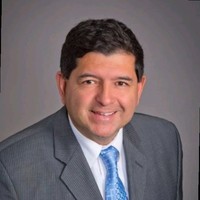
Keynote Speaker:
Juan Sacoto
Global Head of Agribusiness Consulting
S&P Global
Registration fee:
$50 In-Person
$25 Virtual
See "other" on registration form.
Speakers
Agenda (Draft)
9:00 AM
Registration and Networking
9:30 AM
Welcome & Topic Framing: Why Shipping, Why Now?
9:45 AM
Keynote Speaker: Juan Sacoto, Global Head of Agribusiness Consulting, S&P Global
"Fueling Agriculture: Biofuels as the Catalyst"
"Fueling Agriculture: Biofuels as the Catalyst"
10:30 AM
Networking & Discussion
10:45 AM
Pathways Interactive Panel: Three Fuels Minnesota Can Talk About Credibly
11:30 AM
Logistics & Bottlenecks Interactive Panel: Who Controls the Chokepoints?
12:15 PM
Networking & Discussion Luncheon
1:15 PM
Honest Quandaries Interactive Panel: CO₂ and Hydrogen Tradeoffs
2:00 PM
Networking & Discussion
2:15 PM
From Insight to Action: Minnesota's Next Steps
2:45 PM
Closing Remarks
3:00 PM
Adjourn
Who's Coming