SIGS 4th Roundtable Afternoon & Barbecue
Join us on September 18th, 2025 and earn 3 CPEs

(registration will be closed September 17th, 2025)
The summer happening for all cyber security professionals and those who want to become one!
10 different roundtable discussions (see schedule below) and you can participate in two different ones. At all tables there will be a co-moderator from us who will ensure that the quality of the discussions will be valuable!
Afterwards we will enjoy a delicious barbecue and as well a lovely summer evening together.
Looking forward to see you there,
your SIGS team
As always: sales peoples (incl. CEO's and Founders), vendors and all peoples who just like to sell their products or services are not allowed to take part at SIGS events.
Since the number of participants is limited for this event, we have to limit the number of participants from a consulting firm to a maximum of two people. Please also book the special ticket.
10 different roundtable discussions (see schedule below) and you can participate in two different ones. At all tables there will be a co-moderator from us who will ensure that the quality of the discussions will be valuable!
Afterwards we will enjoy a delicious barbecue and as well a lovely summer evening together.
Looking forward to see you there,
your SIGS team
As always: sales peoples (incl. CEO's and Founders), vendors and all peoples who just like to sell their products or services are not allowed to take part at SIGS events.
Since the number of participants is limited for this event, we have to limit the number of participants from a consulting firm to a maximum of two people. Please also book the special ticket.
EVENTPARTNER
Location
Eventalm
Meienbreitenstrasse 9
Rümlang (near Airport)
Meienbreitenstrasse 9
Rümlang (near Airport)
DATE & TIME
September 18th, 2025, 1:30 pm - open end incl. dinner
Transfer & Parking
There's a shuttle from the train station in Rümlang available.
Parking lots at the location are available for free.
Parking lots at the location are available for free.
Participation Fee
We request EUR 99.-- during registration. Depending on the ticket booked, you will get 50% of the fee back if you were there.
A BIG THANK YOU TO OUR SPONSORS WHO MAKE THIS PLATFORM HAPPEN!
MAIN SPONSOR



together with




STANDARD SPONSOR

AND REALLY LOOKING FORWARD TO PRESENT
THE FOLLOWING STARTUPS ONSITE!
THE FOLLOWING STARTUPS ONSITE!




2:00 pm
Registration & welcome coffee
2:45 PM
Welcome & short introduction from the organization incl. elevator pitches from some hopefully interesting start ups
3:30 PM
Start of first round of discussions for around 60 minutes. There will be 10 roundtables and you can attend at three different tables/topics.
Roundtable 1: Laurent Jacquemin, EMEA Field CTO of Akamai Enterprise Security Group
Co-moderated by a SIGS Contributor
Can Zero-Trust Principles Close the Gap Between On-Prem and Cloud Security?
Modern organizations increasingly rely on the cloud to manage their critical systems and store their most valuable data. With the growing shift of applications and workloads to the cloud, security and cloud teams are facing a growing number of challenges. One of those is extending segmentation and Zero Trust principles to applications and workloads in cloud environments.
The unique and dynamic nature of the cloud means that cloud workloads are more exposed to external threats than on-premises resources are. Organizations need to make sure they reduce the attack surface and contain attacks on applications and workloads in their public cloud environments.
Roundtable 2: Phil Jacobs, Principal Intelligence Solutions Advisor at Intel471
Co-moderated by a SIGS Contributor
From Threat Actor to Action: Operationalizing Cyber Threat Intelligence
How organizations can turn threat intelligence into actionable outcomes within workflows, playbooks, and strategic risk assessments.
Discussion Points:
• What makes threat intel truly actionable?
• Integrating CTI into pipelines and detections
• Where does AI fit? Benefits and risks
• Success stories: pre-emptive blocking, attack surface reduction, and early-warning examples
Roundtable 3: Christer Swartz, Director Industry Solutions at Illumio
Co-moderated by a SIGS Contributor
AI: Are we all doomed? Or can we address AI threats proactively, rather than reactively?
Along with the promises of AI, the other side of the coin is a new wave of dramatically effective cyber threats which rely on AI to slip past the most complex cyber defences.
Is the only solution to AI threats the use of AI threat-prevention, creating an endless cat-and-mouse chase? Or is there a way to address AI threats along some common dependencies which they all share, hopefully future-proofing ourselves against the expected AI apocalypse?
Roundtable 4: Jürgen Hofmann, Sales Engineer at Cato Networks
Co-moderated by a SIGS Contributor
Global Protection, Local Performance: SASE for the Modern Enterprise
The increasing shift of applications to the cloud, hybrid work models, and the constantly growing threat landscape are presenting traditional security and network architectures with new challenges. In this roundtable, we will discuss practical ways in which Secure Access Service Edge (SASE), as a converged, cloud-native platform, can help meet these demands.
The focus will be on real-world use cases: How can consistent, globally available protection be established for mobile employees, cloud environments, and branch offices? How can remote sites in China be connected with high performance? How can Zero Trust Network Access (ZTNA) effectively replace traditional VPN structures while improving the user experience? And what opportunities does SASE offer to scale network and security functions agilely while reducing complexity?
We will also explore the typical path to implementation: from initial pilot projects and migration strategies to gradual integration into existing IT landscapes. The discussion will include how this transformation can be achieved without major changes to the existing architecture and by leveraging existing security investments.
This session is aimed at technical IT security professionals interested in an open exchange on SASE strategies, best practices, and lessons learned.
Roundtable 5: Assaf Pilo, Specialist SaaS Security, Falcon Shield at CrowdStrike
Co-moderated by a SIGS Contributor
Out of the shadows: Securing SaaS Applications and Identities?
SaaS apps are powering our work like never before—but they’re also opening the door to misconfigurations, shadow identities, and blind spots we can’t afford to ignore. In “Out of the Shadows: Securing SaaS Applications and Identities,” we’ll sit down to unpack how these challenges can be tackled.
Together, we’ll explore what it takes to secure sprawling SaaS environments—including insights on identity protection, threat detection, posture management, and building toward a Zero Trust model. Whether it’s securing IdPs, managing service accounts, or surfacing misconfigurations before attackers do, this is a chance to compare lessons learned, and leave with new practical ideas.
Roundtable 6: Daniel Bachofen, Sr. Sales Engineer at SentinelOne
Co-moderated by a SIGS Contributor
AI to the Rescue?
Join us for a deep dive into how AI is fundamentally changing the daily work of a SOC analyst. This roundtable will focus on the practical benefits of AI-enabled tools, which are moving beyond hype to become essential partners for security professionals. We'll explore how these tools streamline workflows by automating repetitive tasks, enriching alert data with crucial context, and identifying subtle threats that might otherwise be missed.
The discussion will highlight how AI empowers analysts to move past triage and focus on complex, high-impact investigations, ultimately making their work more strategic and effective.
Roundtable 7: Raul Lapaz, Lead Product SecOps and IR at Roche
Co-moderated by a SIGS Contributor
Kubernetes Security: Are Our Clusters as Safe as We Think?
As Kubernetes becomes the de facto standard for container orchestration, it also becomes a prime target for attackers. Misconfigurations, overly permissive RBAC, exposed APIs, and insecure supply chains are just a few of the many attack surfaces that often go unnoticed until it's too late.
Are current best practices and tools enough to defend Kubernetes workloads? Or are we still playing catch-up with evolving threats?
Raul Lapaz designs and deploys secure cloud/container environments for healthcare products on AWS and also an author of "Learning Kubernetes Security" book, second edition. He'd like to discuss practical approaches to hardening clusters, detecting runtime threats, type of logs, tooling and how to build a culture of shift left together with you.
Roundtable 8: Todd James, Head of Cyber Defense Operations at Swisscom
Co-moderated by a SIGS Contributor
Awesome Detection, What's the Policy?
Your SOC is swimming in alerts that have nothing to do with the detection of criminal activity. With greater cloud and AI adoption these compliance alerts are only increasing while more harmful cyber risks are being shunted to the background. This is an opportunity for an open discussion as to their importance, techniques to root out false assumptions, and to have a sounding board for the community on their observations and experiences.
It's definitely not a sexy topic, but once you get these types of alerts under control your SOC analysts will thank you!
Roundtable 9: Vincenzo Di Somma, CISO at Crypto Finance Group
Co-moderated by a SIGS Contributor
Phishing Simulations: Beyond the Click Rate
This panel explores how to accurately interpret phishing simulation results, moving past raw click metrics to understand user behavior, risk exposure, and effective security culture development.
Roundtable 10: Gary Adams, Sales Engineering Leader at Rubrik
Co-moderated by a SIGS Contributor
Are you ready for Cyber Recovery? Cyber Resilience is Business Resilience!
Cyber attacks are currently the biggest business risk. Analysts assume that in 10 years, we will experience a successful ransomware attack approximately every 2 seconds. So it's not a question of whether you will be attacked, nor when, but how often.
In this round table, we will discuss why backup is not the same as cyber recovery and how metadata can be used to recognize the ‘blast radius’ of an attack and proactively reduce the attack surface in the long term in order to reduce or even completely compensate for the potential damage. Let´s discuss how you can increase cyber resilience and
Roundtable 1: Laurent Jacquemin, EMEA Field CTO of Akamai Enterprise Security Group
Co-moderated by a SIGS Contributor
Can Zero-Trust Principles Close the Gap Between On-Prem and Cloud Security?
Modern organizations increasingly rely on the cloud to manage their critical systems and store their most valuable data. With the growing shift of applications and workloads to the cloud, security and cloud teams are facing a growing number of challenges. One of those is extending segmentation and Zero Trust principles to applications and workloads in cloud environments.
The unique and dynamic nature of the cloud means that cloud workloads are more exposed to external threats than on-premises resources are. Organizations need to make sure they reduce the attack surface and contain attacks on applications and workloads in their public cloud environments.
Roundtable 2: Phil Jacobs, Principal Intelligence Solutions Advisor at Intel471
Co-moderated by a SIGS Contributor
From Threat Actor to Action: Operationalizing Cyber Threat Intelligence
How organizations can turn threat intelligence into actionable outcomes within workflows, playbooks, and strategic risk assessments.
Discussion Points:
• What makes threat intel truly actionable?
• Integrating CTI into pipelines and detections
• Where does AI fit? Benefits and risks
• Success stories: pre-emptive blocking, attack surface reduction, and early-warning examples
Roundtable 3: Christer Swartz, Director Industry Solutions at Illumio
Co-moderated by a SIGS Contributor
AI: Are we all doomed? Or can we address AI threats proactively, rather than reactively?
Along with the promises of AI, the other side of the coin is a new wave of dramatically effective cyber threats which rely on AI to slip past the most complex cyber defences.
Is the only solution to AI threats the use of AI threat-prevention, creating an endless cat-and-mouse chase? Or is there a way to address AI threats along some common dependencies which they all share, hopefully future-proofing ourselves against the expected AI apocalypse?
Roundtable 4: Jürgen Hofmann, Sales Engineer at Cato Networks
Co-moderated by a SIGS Contributor
Global Protection, Local Performance: SASE for the Modern Enterprise
The increasing shift of applications to the cloud, hybrid work models, and the constantly growing threat landscape are presenting traditional security and network architectures with new challenges. In this roundtable, we will discuss practical ways in which Secure Access Service Edge (SASE), as a converged, cloud-native platform, can help meet these demands.
The focus will be on real-world use cases: How can consistent, globally available protection be established for mobile employees, cloud environments, and branch offices? How can remote sites in China be connected with high performance? How can Zero Trust Network Access (ZTNA) effectively replace traditional VPN structures while improving the user experience? And what opportunities does SASE offer to scale network and security functions agilely while reducing complexity?
We will also explore the typical path to implementation: from initial pilot projects and migration strategies to gradual integration into existing IT landscapes. The discussion will include how this transformation can be achieved without major changes to the existing architecture and by leveraging existing security investments.
This session is aimed at technical IT security professionals interested in an open exchange on SASE strategies, best practices, and lessons learned.
Roundtable 5: Assaf Pilo, Specialist SaaS Security, Falcon Shield at CrowdStrike
Co-moderated by a SIGS Contributor
Out of the shadows: Securing SaaS Applications and Identities?
SaaS apps are powering our work like never before—but they’re also opening the door to misconfigurations, shadow identities, and blind spots we can’t afford to ignore. In “Out of the Shadows: Securing SaaS Applications and Identities,” we’ll sit down to unpack how these challenges can be tackled.
Together, we’ll explore what it takes to secure sprawling SaaS environments—including insights on identity protection, threat detection, posture management, and building toward a Zero Trust model. Whether it’s securing IdPs, managing service accounts, or surfacing misconfigurations before attackers do, this is a chance to compare lessons learned, and leave with new practical ideas.
Roundtable 6: Daniel Bachofen, Sr. Sales Engineer at SentinelOne
Co-moderated by a SIGS Contributor
AI to the Rescue?
Join us for a deep dive into how AI is fundamentally changing the daily work of a SOC analyst. This roundtable will focus on the practical benefits of AI-enabled tools, which are moving beyond hype to become essential partners for security professionals. We'll explore how these tools streamline workflows by automating repetitive tasks, enriching alert data with crucial context, and identifying subtle threats that might otherwise be missed.
The discussion will highlight how AI empowers analysts to move past triage and focus on complex, high-impact investigations, ultimately making their work more strategic and effective.
Roundtable 7: Raul Lapaz, Lead Product SecOps and IR at Roche
Co-moderated by a SIGS Contributor
Kubernetes Security: Are Our Clusters as Safe as We Think?
As Kubernetes becomes the de facto standard for container orchestration, it also becomes a prime target for attackers. Misconfigurations, overly permissive RBAC, exposed APIs, and insecure supply chains are just a few of the many attack surfaces that often go unnoticed until it's too late.
Are current best practices and tools enough to defend Kubernetes workloads? Or are we still playing catch-up with evolving threats?
Raul Lapaz designs and deploys secure cloud/container environments for healthcare products on AWS and also an author of "Learning Kubernetes Security" book, second edition. He'd like to discuss practical approaches to hardening clusters, detecting runtime threats, type of logs, tooling and how to build a culture of shift left together with you.
Roundtable 8: Todd James, Head of Cyber Defense Operations at Swisscom
Co-moderated by a SIGS Contributor
Awesome Detection, What's the Policy?
Your SOC is swimming in alerts that have nothing to do with the detection of criminal activity. With greater cloud and AI adoption these compliance alerts are only increasing while more harmful cyber risks are being shunted to the background. This is an opportunity for an open discussion as to their importance, techniques to root out false assumptions, and to have a sounding board for the community on their observations and experiences.
It's definitely not a sexy topic, but once you get these types of alerts under control your SOC analysts will thank you!
Roundtable 9: Vincenzo Di Somma, CISO at Crypto Finance Group
Co-moderated by a SIGS Contributor
Phishing Simulations: Beyond the Click Rate
This panel explores how to accurately interpret phishing simulation results, moving past raw click metrics to understand user behavior, risk exposure, and effective security culture development.
Roundtable 10: Gary Adams, Sales Engineering Leader at Rubrik
Co-moderated by a SIGS Contributor
Are you ready for Cyber Recovery? Cyber Resilience is Business Resilience!
Cyber attacks are currently the biggest business risk. Analysts assume that in 10 years, we will experience a successful ransomware attack approximately every 2 seconds. So it's not a question of whether you will be attacked, nor when, but how often.
In this round table, we will discuss why backup is not the same as cyber recovery and how metadata can be used to recognize the ‘blast radius’ of an attack and proactively reduce the attack surface in the long term in order to reduce or even completely compensate for the potential damage. Let´s discuss how you can increase cyber resilience and
- Proactively reduce the attack surface
- Determine the ‘blast radius’ of an attack
- Be able to restore the environment without reinfection
- How AI can help
4:30 PM
Coffee break and change the roundtables
5:15 PM
2nd turn roundtable discussions
6:15 PM
Apéro, Barbecue & networking till open end
Roundtable Moderators
Below you will find our contributors and speakers to whom
we say a big thank you!
we say a big thank you!
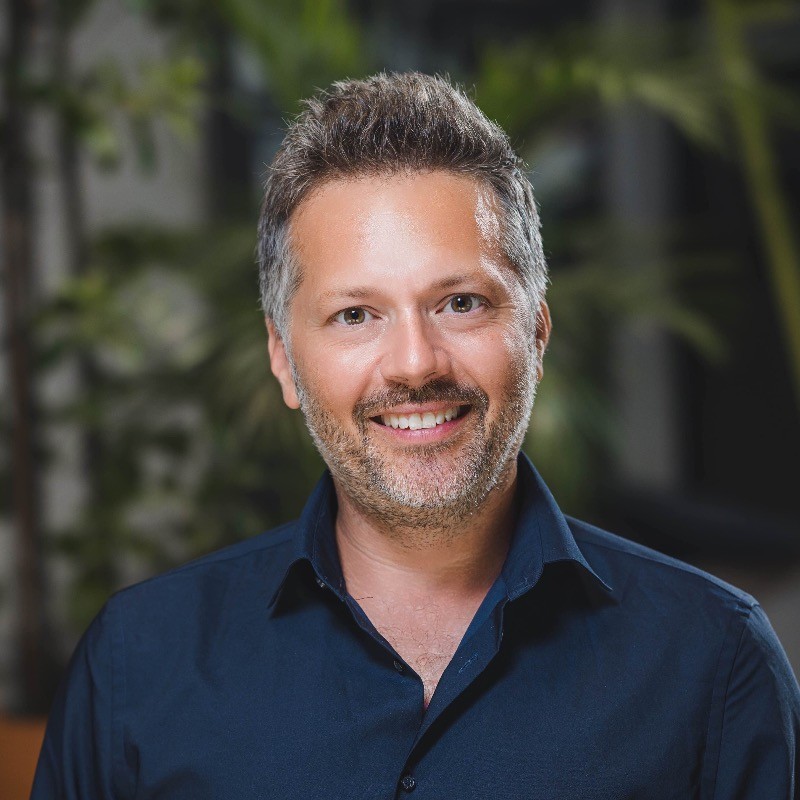
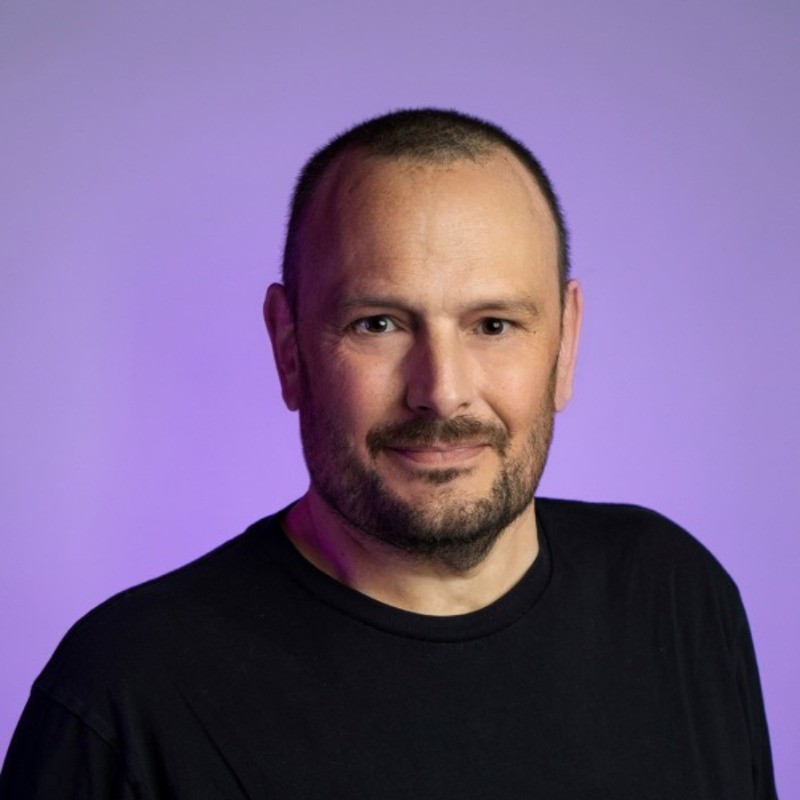
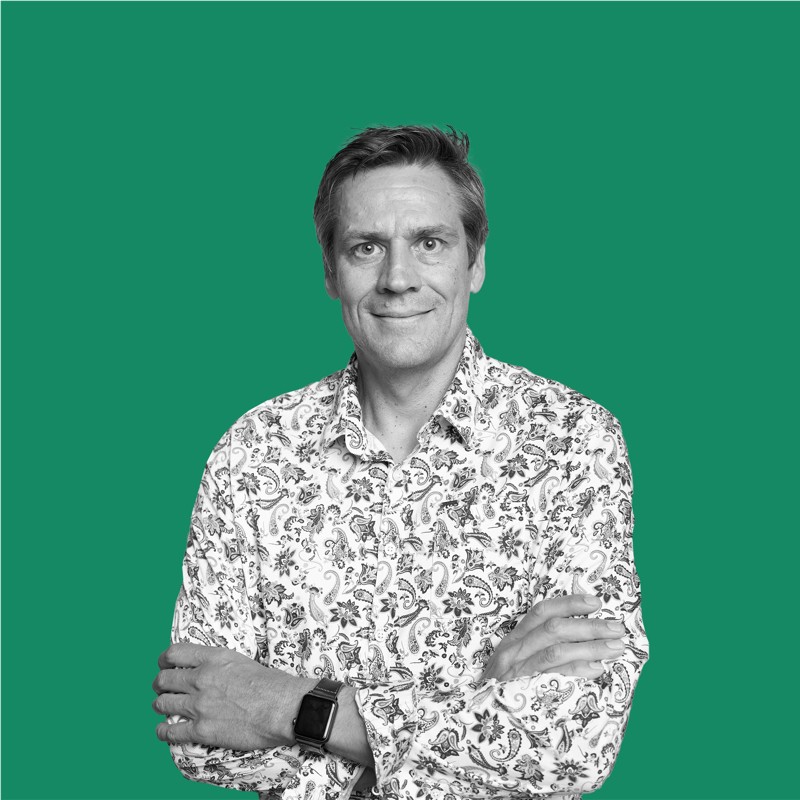
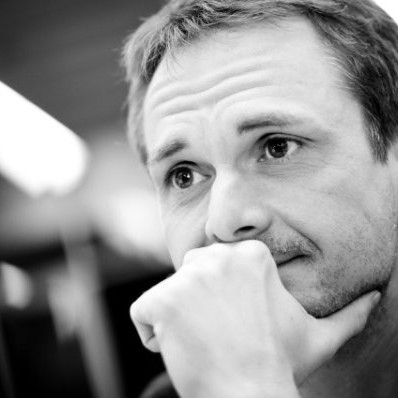
Philip Jacobs
Principal Intelligence Solutions Advisor at Intel471
Further information at Phil Jacobs | LinkedIn

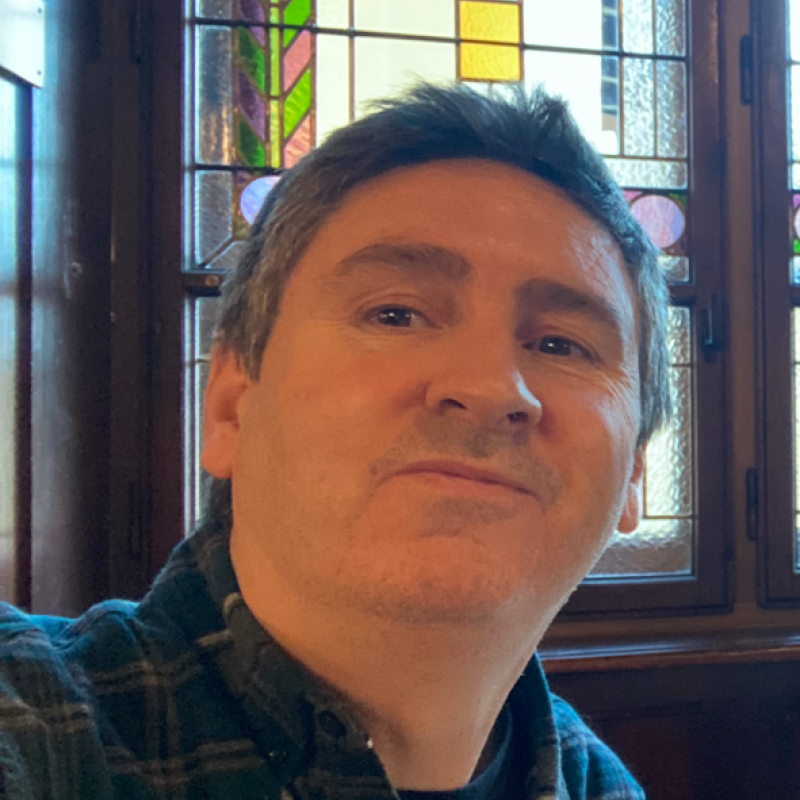
Laurent Jacquemin
EMEA Field CTO of Akamai Enterprise Security Group
Further information at Laurent Jacquemin | LinkedIn
Christer Swartz
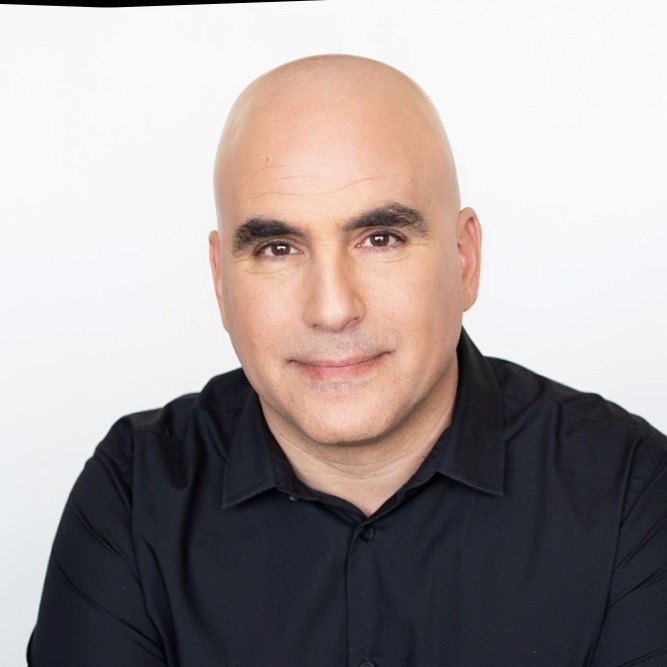
Director Industry Solutions at Illumio
Further information at Christer Swartz | LinkedIn
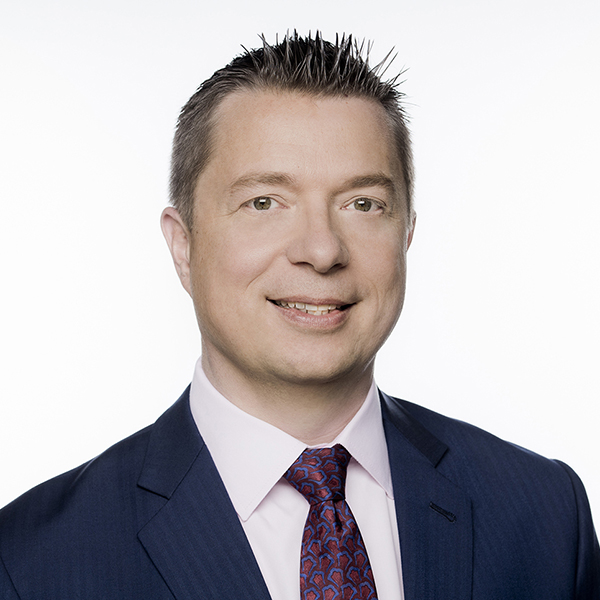
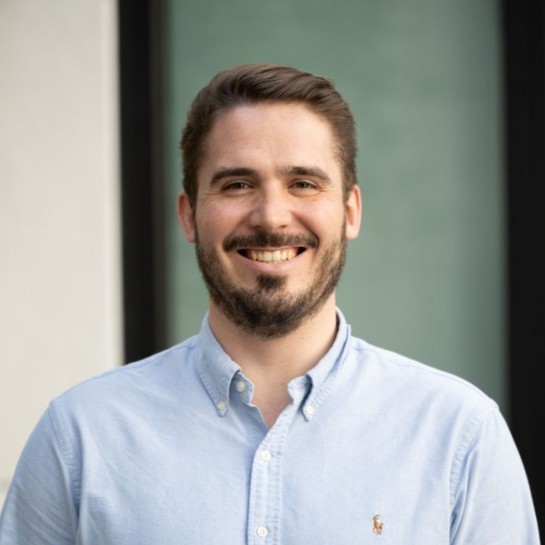
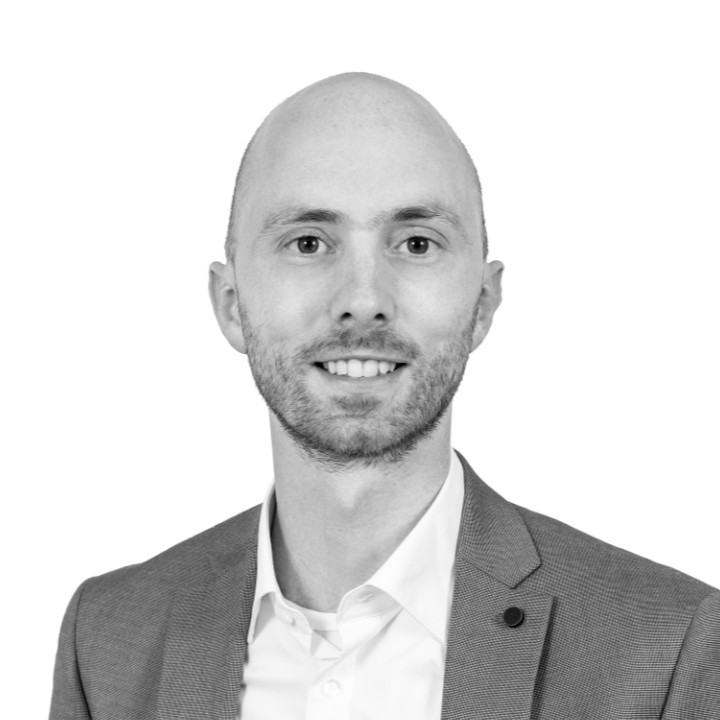
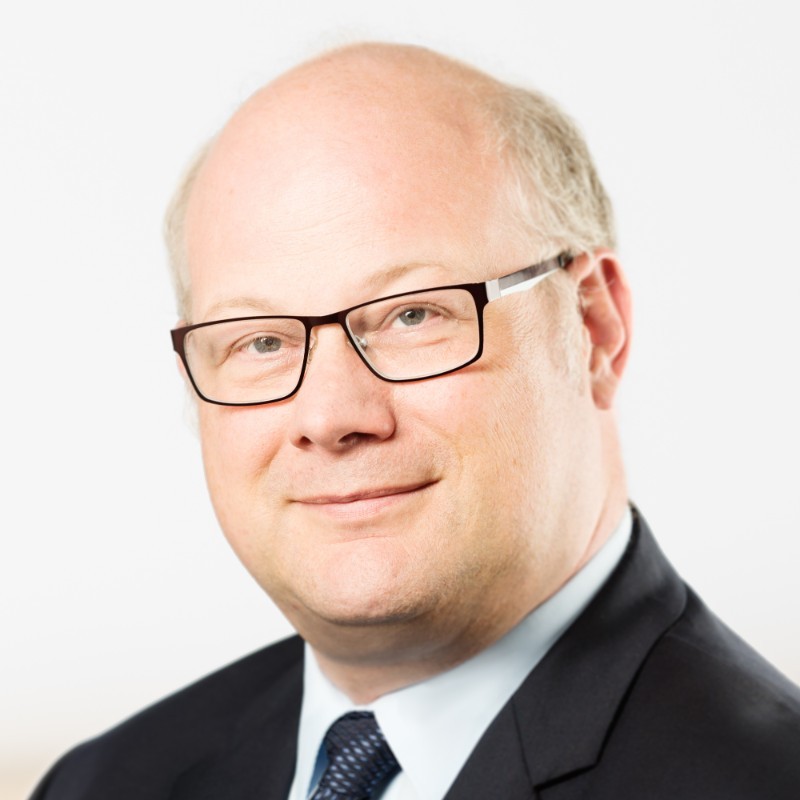
SIGS Contributors & Co-Moderators
To ensure that the discussions run smoothly and, above all, that no sales discussions take place, we have a co-moderator at each roundtable who ensures the quality for us.

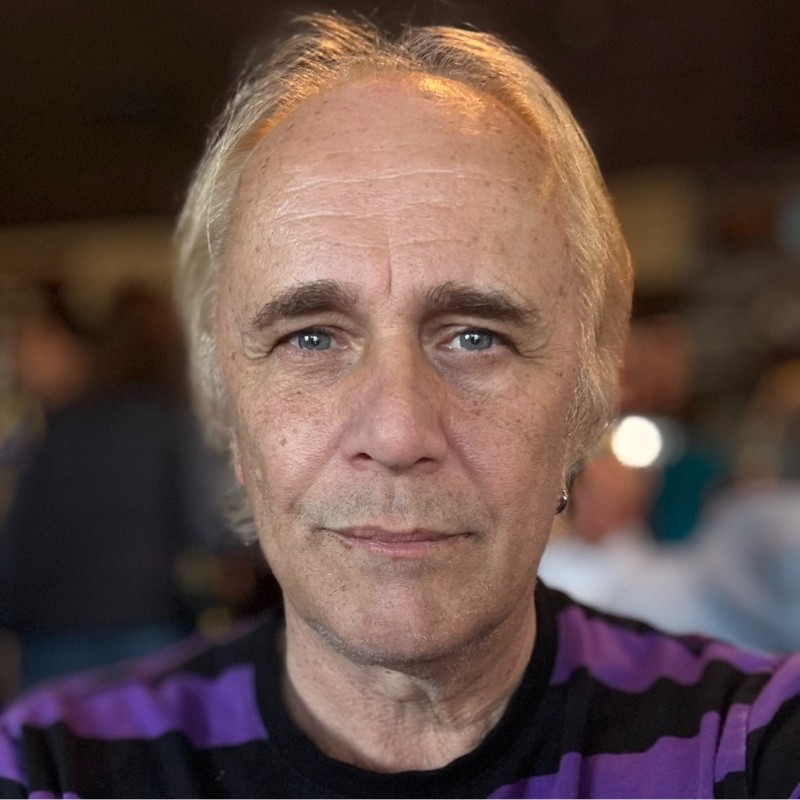
Mark Beerends
Executive Security Consultant at Prusec GmbH
Further information at Mark Beerends | LinkedIn
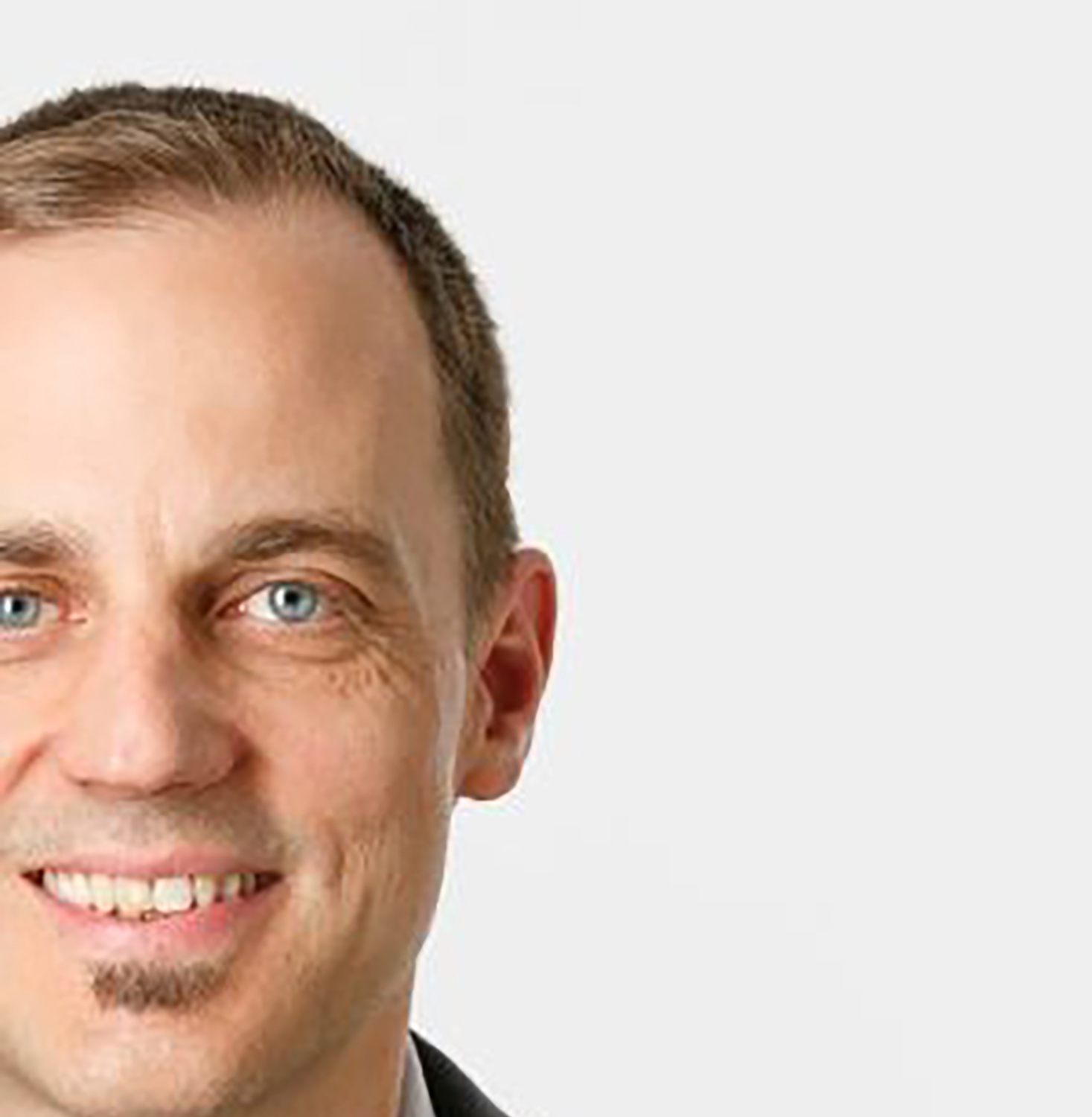
Peter Kunz
In Transit (former Global Head of R&D Security at Hexagon)
Further information at Peter Kunz | LinkedIn
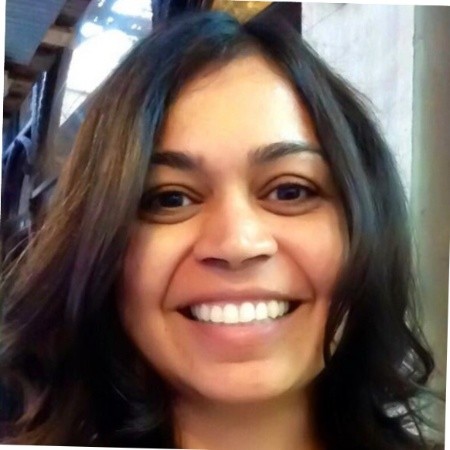
Archana Panchal
in Transit (former
Head of Security Operations at Natwest)
Head of Security Operations at Natwest)
Further information at Archana Panchal | LinkedIn
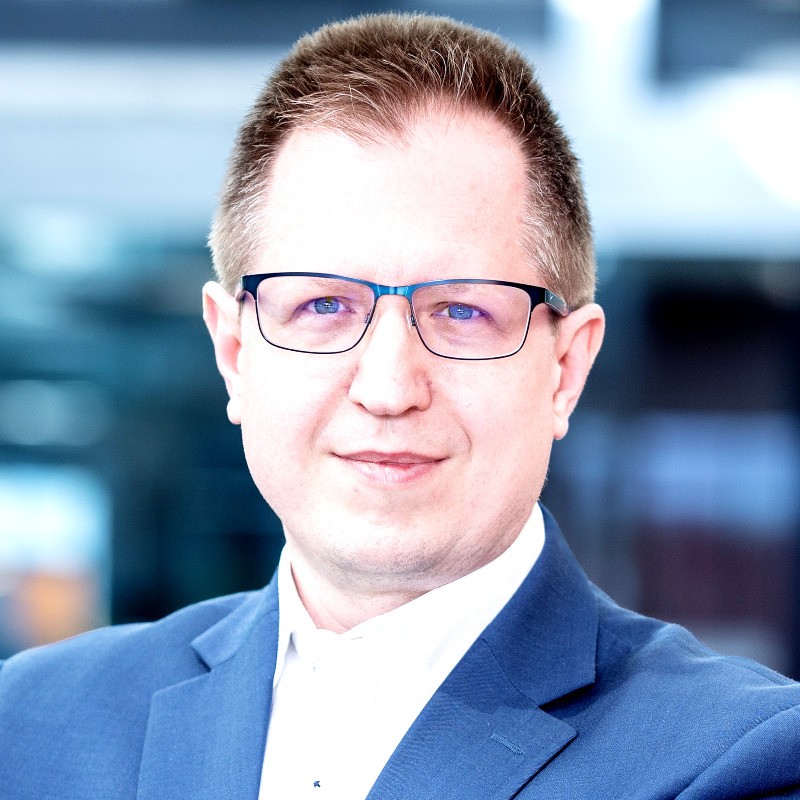
Lars Ruddigkeit
Senior ICT-System Architect Secure Access Architecture at SBB
Further information at Lars Ruddigkeit | LinkedIn

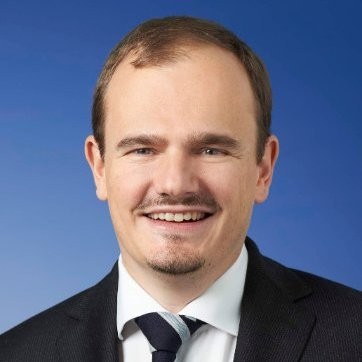
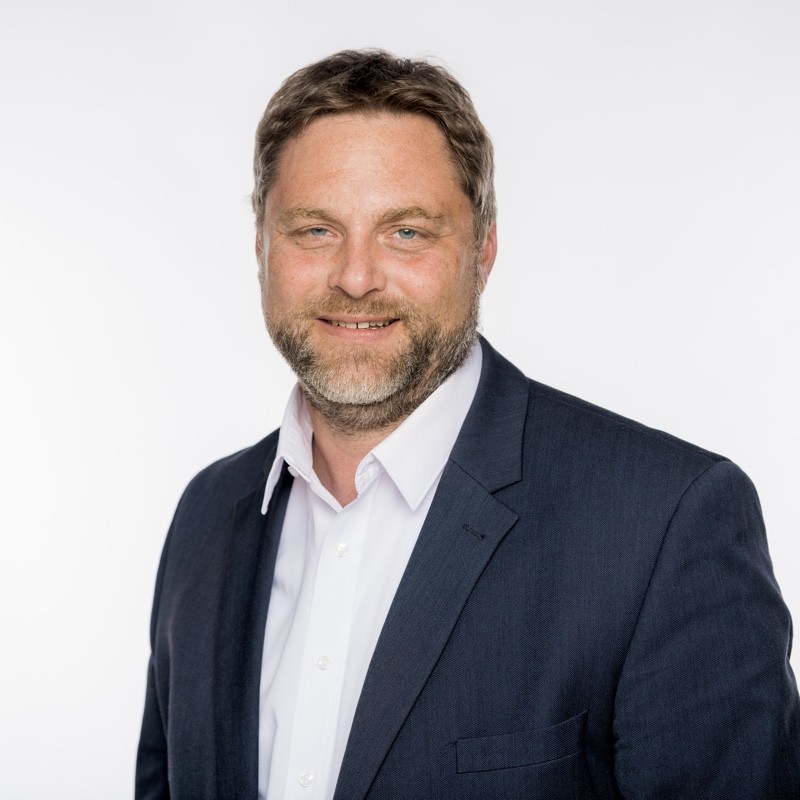
Reto Zeidler
Senior Manager at Wavestone & Lecturer Information Security at HSLU
Further information at Reto Zeidler | LinkedIn
Contact Us
If you have any questions or you like to get information about further events, please do not hesitate to contact us!