Bridging Biology and Statistics: Insights and Innovations for Modern Biology
A conference in honor of Susan Holmes
Join us on June 3, 2025 in Stanford, California
We are delighted to invite you to a special workshop celebrating the career and scientific achievements of Professor Susan Holmes in the integration of statistics and modern biology. With the retirement of Professor Holmes, this event is to honor her work in developing statistical methodologies that have influenced contemporary biological research.
Join us for a day of scientific talks and discussions featuring colleagues, collaborators, and former students of Professor Holmes. Featuring talks, poster presentations and discussions, the workshop will be a unique opportunity to bring together researchers with interests spanning statistics and biology, reflecting the interdisciplinary scholarship that has been a hallmark of Susan's career.
This workshop is open to everyone. Please share this message with anyone who might be interested!
Join us for a day of scientific talks and discussions featuring colleagues, collaborators, and former students of Professor Holmes. Featuring talks, poster presentations and discussions, the workshop will be a unique opportunity to bring together researchers with interests spanning statistics and biology, reflecting the interdisciplinary scholarship that has been a hallmark of Susan's career.
This workshop is open to everyone. Please share this message with anyone who might be interested!
Drs Laura Symul, Kris Sankaran, & Claire Donnat
Event Organizers
Event Organizers
Confirmed Speakers
We are excited to be joined by the following speakers.
Catherine Blish
Prof. of medicine
Stanford University
Stanford University
Wolfgang Huber
Group Leader
EMBL
EMBL
(Remote)
David Relman
Prof. Of MICROBIOLOGY & Immunology
Stanford University
Stanford University

Nina Miolane
Assistant Professor Of EECS
UC Santa Barbara
UC Santa Barbara
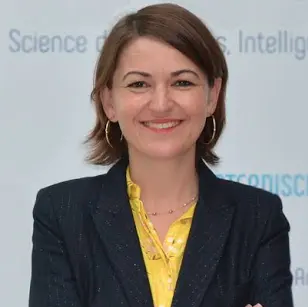
Julie Josse
Senior Researcher
INRIA
INRIA
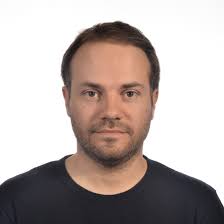
Christof Seiler
Assistant Professor of Statistics
Maastricht University
Maastricht University
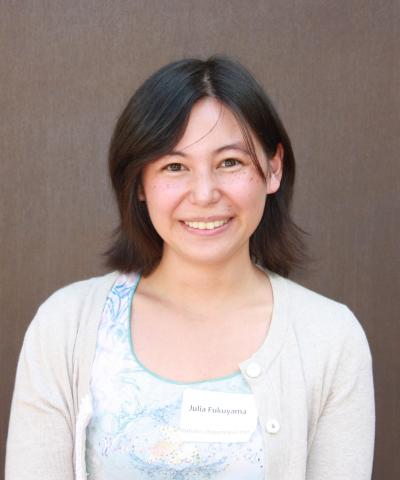
Julia Fukuyama
Assistant Professor of Statistics
Indiana University
Indiana University
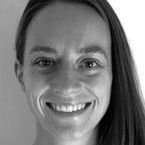
Anna-Ursula Happel
Junior Research Fellow in the division of immunology
University of cape town
University of cape town
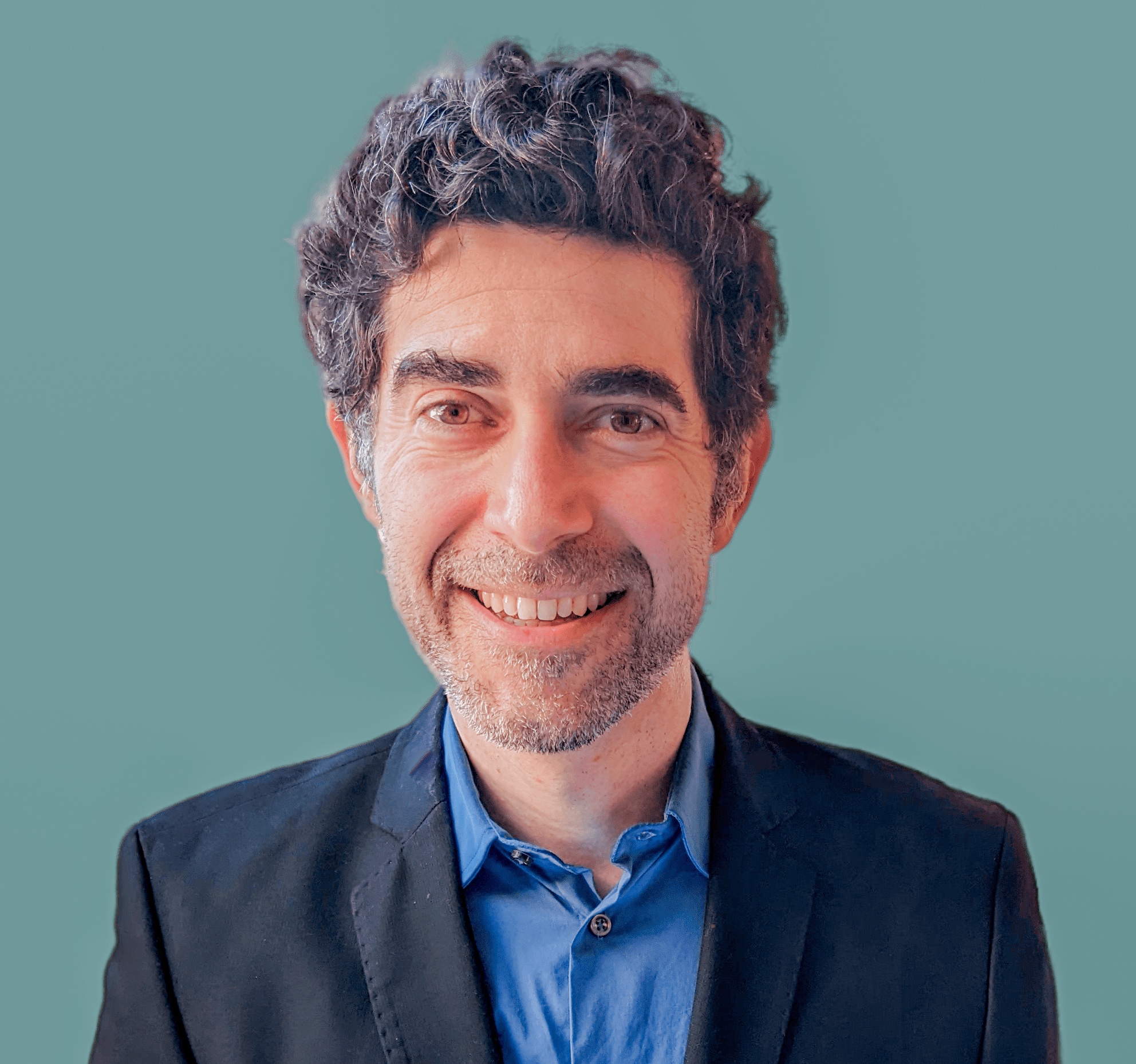
Joey McMurdie
Head, AI & Data Science
N-Power Medicine, Inc.
N-Power Medicine, Inc.

Ben Callahan
Associate Professor of Microbiomes and Complex Microbial Communities
NCSU
NCSU
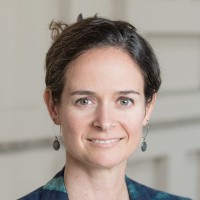
Jessica Grembi
- Assistant Professor of Pharmacology
Penn State
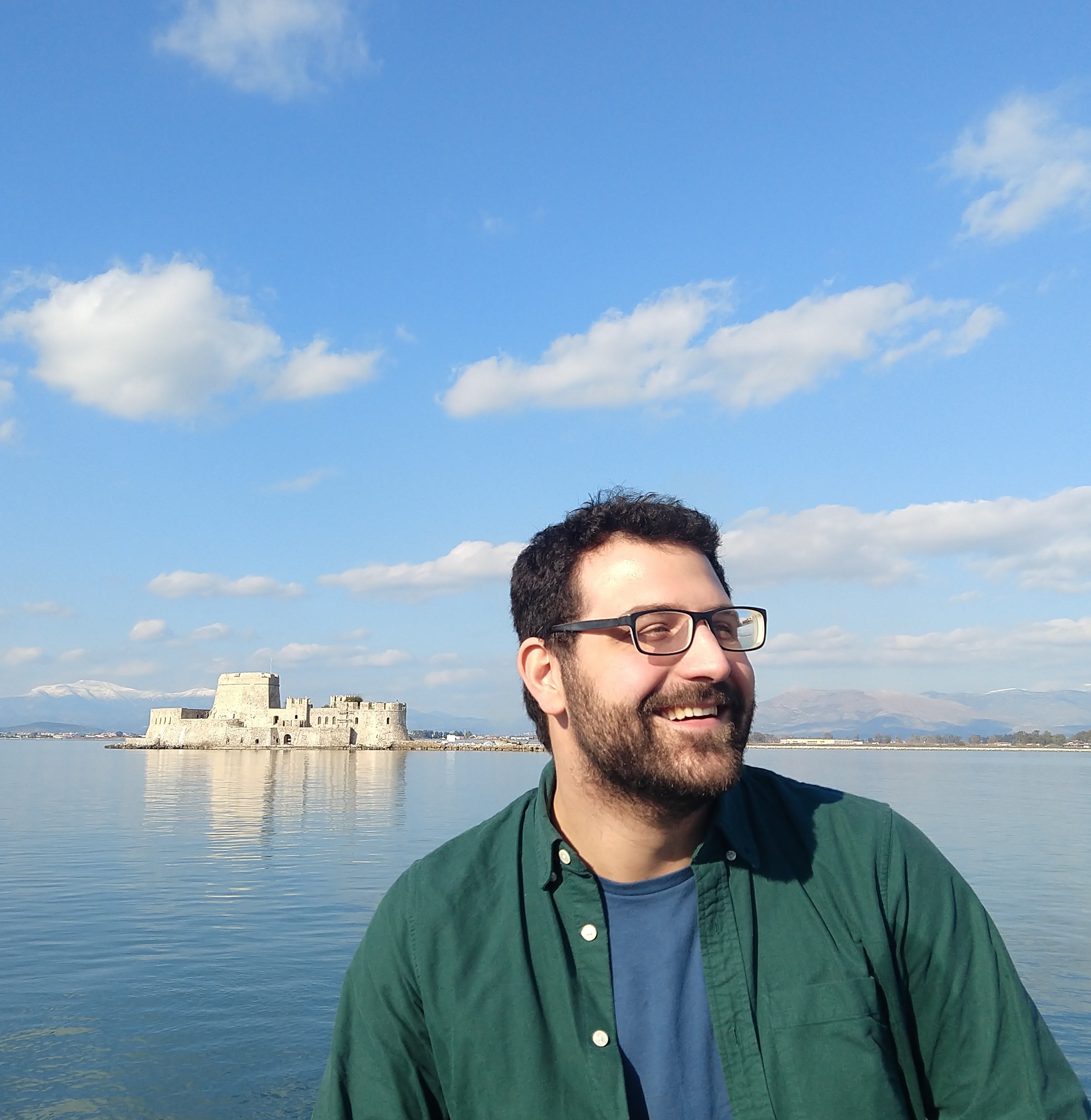
Nikos Ignatiadis
Assistant Professor of statistics
University of chicago
University of chicago
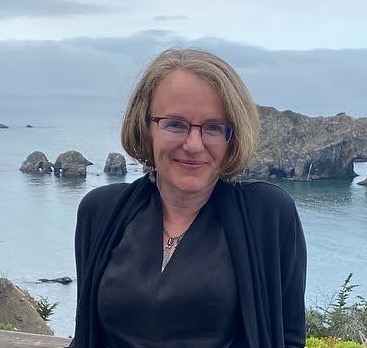
Elizabeth Purdom
Associate Professor of Statistics
UC Berkeley
UC Berkeley
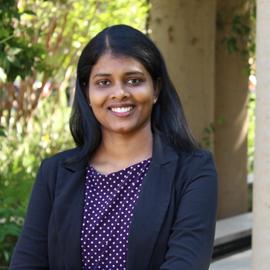
Pratheepa Jeganathan
Assistant Professor of Statistics
McMaster University
McMaster University
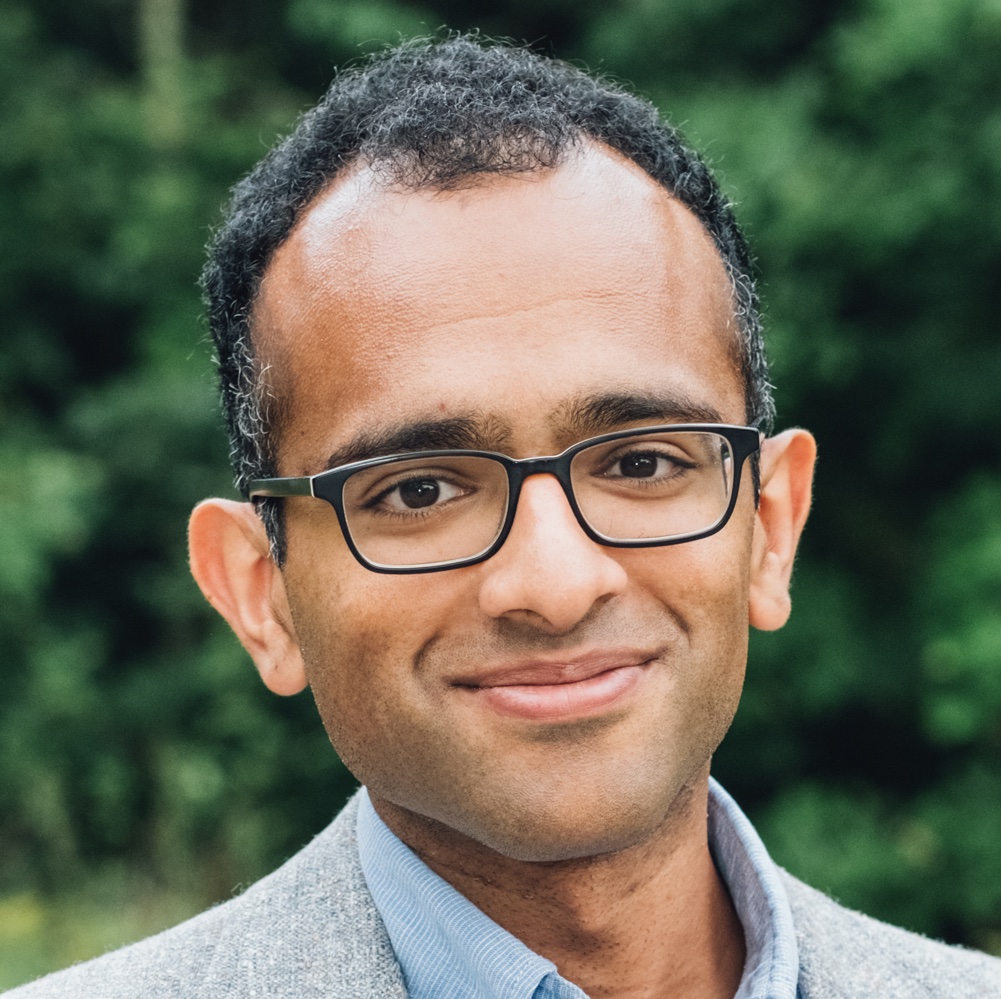
John Cherian
PhD student in Statistics
Stanford University
Stanford University
Diana Proctor
Assistant Professor of Microbiology and microbial genetics
UTHealth
UTHealth
Deborah Gordon
Paul S. and Billie Achilles Professor of Environmental Biology
Stanford University
Stanford University
Schedule
*under construction
| 8:00 am
Coffee and Conversation
| 9:00 am
Morning session I
9.00: David Relman What we/I have learned (about the microbiome) from Susan Holmes
09.15 Nina Miolane The Role of AI in Advancing Women's Brain Health.
09.30 Joey McMurdie: From R packages to Human Disease Startups: A Journey in Statistical Biology with guidance from Susan Holmes
09.45 Ben Callahan: Modeling Microbiome Measurement
10.00 Anna Hapfel: Gut microbiota of African infants who are exposed and unexposed to HIV and associations with early-childhood vaccine responses
| 10:30 am
Coffee break
| 11:00 am
| 11:45am
Lunch
| 1:30 pm
Afternoon session I
01.30 Wolfgang Huber Single cell differential expression without discrete cell types
01.45 Nikos Ignatiadis How does variance moderation for differential expression work?
01.45 Nikos Ignatiadis How does variance moderation for differential expression work?
02.00 Pratheepa Jeganathan: Spatial Statistics Meets Biology: Extending Constrained Clustering with Spatial Pattern Similarity Measures
02.15 Julia Fukuyama: The power of multiple views for exploring diversity across phylogenetic scales
| 2:45 pm
Coffee break
| 3:30 pm
Afternoon session II
03.30 Jess Grembi Uncovering the latent variable in my statistical trajectory
03.45 Catherine Blish: Mapping cell-cell communication to understand host-pathogen interactions
03.45 Catherine Blish: Mapping cell-cell communication to understand host-pathogen interactions
04.00 Elizabeth Purdom
04.15 Diana Proctor: Clonal Candida auris and ESKAPE pathogens on the skin of residents of nursing homes
04.15 Diana Proctor: Clonal Candida auris and ESKAPE pathogens on the skin of residents of nursing homes
| 4:30 pm
Reflections
| 5:00 pm
Break
| 6:00 pm
Dinner
Conference Location
E160 Fortinet Seminar Room
Computing and Data Science Building
389 Jane Stanford Way
Stanford, CA 94305
United States
Computing and Data Science Building
389 Jane Stanford Way
Stanford, CA 94305
United States
Talks
Nina Miolane: The Role of AI in Advancing Women's Brain Health
Women’s health is critically understudied in biomedicine—especially in neuroscience, where less than 0.5% of brain imaging studies focus on female-specific experiences (Jacobs, Nature, 2023). We still know little about how the brain responds to menopause, pregnancy, the menstrual cycle, or hormone-based treatments. The Ann S. Bowers Women’s Brain Health Initiative, launched in 2023, aims to change that by accelerating womens' brain health research across the lifespan. Its AI Core, in particular, develops "AI Digital Twins", that is: dynamic models that integrate imaging, hormonal, and physiological data to simulate brain changes over time. This talk will explore how this work is reshaping our understanding of the brain’s adaptability in adult women.
Ben Callahan: Modeling Microbiome Measurement
The study of complex microbial communities and their environments (microbiomes) was fundamentally changed by high-throughput sequencing. New sequencing-based methods could measure microbes we hadn't yet described and comprehensively survey a community that could not be individually cultured. However, these new measurements came with new mistakes that were not well understood. I will discuss how modeling the measurement process has been a fruitful approach to improving the interpretation of microbiome measurements.
John Cherian: Election Night Modeling at The Washington Post
We consider a high-stakes application of statistical inference: uncertainty quantification for election night modeling. In this problem, the analyst observes vote counts from early-reporting jurisdictions, e.g., precincts on the East Coast of the United States, and fits a model to these results that predicts the final outcome in each contested race. Quantifying the error of this prediction is crucial; an overconfident prediction can mislead the public and harm the news provider’s reputation. Over the last four years, we have worked on methods to apply conformal prediction, a popular approach to assumption-lean inference, to this setting. Working with election data poses many challenges. For example, the data-generating distribution shifts over time, and spatiotemporal correlation can invalidate standard approaches. Variants of our model have been featured in The Washington Post’s coverage of the 2020 and 2022 elections, and the model introduced in this talk was used to forecast the 2024 presidential election. This is joint work with Lenny Bronner (The Washington Post) and Emmanuel Candès (Stanford).
Julia Fukuyama: The power of multiple views for exploring diversity across phylogenetic scales
Ecologists have a wide variety of measures available to them for describing diversity. We focus on one family of diversity measures that incorporates phylogenetic information about the relationships among species. We show that members of the family can be seen as differing in the extent to which they emphasize ancient vs. more recent phylogenetic relationships among the organisms. This heuristic idea is made concrete by power analysis, showing exactly which members of the family are best powered to detect effects at different phylogenetic scales. Finally, since the scale of the phylogenetic effect in any given dataset is unlikely to be known in advance, we present an R package that allows users to create animated or interactive plots based on this family of measures.
Deborah Gordon: The Ecology of Collective Behavior
Collective behavior operates without central control, using local interactions among participants to allow groups to respond to changing conditions. An ecological perspective on collective behavior examines how collective behavior adjusts to changing environments. Ant colonies function collectively, and the enormous diversity of more than 15000 species of ants in every habitat on Earth provides opportunities to look for general ecological patterns. I will discuss examples from harvester ant colonies in the desert of the southwestern US, where life is tough but stable, and arboreal turtle ants in the tropical forest in Mexico, where life is easy but unpredictable. These examples suggests how natural systems with similar dynamics in their surroundings have evolved to show similar dynamics in their collective behavior.I will discuss broad analogies in the ways that rates, feedback regimes and modularity of interaction networks are used in similar ecological situations.
Anna-Ursula Happel: Gut microbiota of African infants who are exposed and unexposed to HIV and associations with early-childhood vaccine responses
Maternal HIV status, microbiota composition, and infant feeding practices have all been linked to gut microbial development in the first year of life; however, data from African cohorts remain limited. Emerging evidence underscores the crucial role of early-life gut microbiota in shaping immune system maturation and function. We investigated the impact of maternal HIV infection on breastmilk composition and infant gut microbiota, and how these factors relate to early-life vaccine responses, using data from two African cohorts. Although HIV had only modest effects on maternal breastmilk and infant gut microbiota, specific microbial signatures and HIV exposure status were associated with variations in vaccine responses during early childhood.
This talk highlights research in which Susan played a key role by mentoring early-career scientists at the University of Cape Town.
This talk highlights research in which Susan played a key role by mentoring early-career scientists at the University of Cape Town.
Nikos Ignatiadis: How does variance moderation for differential expression work?
Being a TA for Susan's "Modern Statistics for Modern Biology" was one of the most fun and instructive experiences I had as a PhD student. Many modern statistical methods for modern biology are sophisticated and deep, very widely applied, but at the same time, not well-studied within statistics itself. One such example is the variance moderation employed by common methods for differential expression such as limma and DESeq2.
This talk provides a formal statistical framework for variance moderation, termed "empirical partially Bayes multiple testing." In this framework, if the prior for the variances were known, one could proceed by computing p-values conditional on the sample variance---a strategy called partially Bayes inference by Sir David Cox. In practice, the prior is unknown and estimated via empirical Bayes. The analysis shows that p-values computed with variance moderation are not actually p-values in the traditional sense. Yet, using them alongside the Benjamini-Hochberg procedure asymptotically controls the false discovery rate---so all works out!
This talk provides a formal statistical framework for variance moderation, termed "empirical partially Bayes multiple testing." In this framework, if the prior for the variances were known, one could proceed by computing p-values conditional on the sample variance---a strategy called partially Bayes inference by Sir David Cox. In practice, the prior is unknown and estimated via empirical Bayes. The analysis shows that p-values computed with variance moderation are not actually p-values in the traditional sense. Yet, using them alongside the Benjamini-Hochberg procedure asymptotically controls the false discovery rate---so all works out!
Pratheepa Jeganathan: Spatial Statistics Meets Biology: Extending Constrained Clustering with Spatial Pattern Similarity Measures
This talk reflects both scientific progress and personal mentorship growth. Inspired by the guidance I received during my postdoctoral training, I will present recent work with my master's student on detecting repeated spatial patterns in biological tissues. We identified that current constrained clustering methods, which account for spatial contiguity, can be extended with a testing step to assess whether pairs of spatial clusters exhibit similar distributional patterns.
We propose a nonparametric framework for detecting spatially separated yet distributionally similar clusters, offering new insights into repeated biological patterns. I will share how this mentorship experience shaped my approach to integrating spatial statistics into biologically derived problems and how this work advances clustering methods to uncover hidden spatial organization, such as tumor microenvironments.
This is Rajitha Senanayake's master's thesis.
We propose a nonparametric framework for detecting spatially separated yet distributionally similar clusters, offering new insights into repeated biological patterns. I will share how this mentorship experience shaped my approach to integrating spatial statistics into biologically derived problems and how this work advances clustering methods to uncover hidden spatial organization, such as tumor microenvironments.
This is Rajitha Senanayake's master's thesis.
Catherine Blish: Mapping cell-cell communication to understand host-pathogen interactions
Inference of cell–cell communication from single-cell RNA sequencing data is a powerful technique to uncover intercellular communication pathways, yet existing methods perform this analysis at the level of the cell type or cluster, discarding single-cell-level information. We therefore developed Scriabin, a flexible and scalable framework for comparative analysis of cell–cell communication at single-cell resolution that is performed without cell aggregation or downsampling. We used multiple published atlas-scale datasets, genetic perturbation screens and direct experimental validation to show that Scriabin accurately recovers expected cell–cell communication edges and identifies communication networks that can be obscured by agglomerative methods. Additionally, we used spatial transcriptomic data to show that Scriabin can uncover spatial features of interaction from dissociated data alone. Finally, we demonstrate applications to longitudinal datasets to follow communication pathways operating between timepoints, including the understanding of SIV pathogenesis. Our approach represents a broadly applicable strategy to reveal the full structure of niche–phenotype relationships in health and disease.
This work was the result of a collaboration between Aaron Wilk, Alex Shalek, and Susan Holmes
This work was the result of a collaboration between Aaron Wilk, Alex Shalek, and Susan Holmes
Joey McMurdie: From R packages to Human Disease Startups: A Journey in Statistical Biology with guidance from Susan Holmes
My experience in collaboration with and mentorship by Susan began in genomics of microbes that breathe dry-cleaning solvents. It evolved into a postdoc catching a wave of microbiome experiments, multiple R packages, and papers cited thousands of times. It continued into a career in biotech startups, including one that developed a probiotic for type-2 diabetes recently invested in by Halle Berry and Olivia Wilde; and two more recently in cancer research. This talk celebrates that journey and the influence of Susan's mentorship.
Diana Proctor: Clonal Candida auris and ESKAPE pathogens on the skin of residents of nursing homes
Antimicrobial resistance is a public health threat associated with increased morbidity, mortality and financial burden in nursing homes and other healthcare settings. Residents of nursing homes are at increased risk of pathogen colonization and infection owing to antimicrobial-resistant bacteria and fungi. Nursing homes act as reservoirs, amplifiers and disseminators of antimicrobial resistance in healthcare networks and across geographical regions. We investigated the genomic epidemiology of the emerging, multidrug-resistant human fungal pathogen Candida auris in a ventilator-capable nursing home. Coupling strain-resolved metagenomics with isolate sequencing, we report skin colonization and clonal spread of C. auris on the skin of nursing home residents and throughout a metropolitan region. We also report that most ESKAPE pathogens and other high-priority pathogens (including Escherichia coli, Providencia stuartii, Proteus mirabilis and Morganellamorganii) are clonally shared in a nursing home. Integrating microbiome and clinical microbiology data, we report detection of carbapenemase genes at multiple skin sites on residents identified as carriers of these genes. Importantly, our data suggest antibiotic treatment is an independent risk factor for C. auris colonization. We analyze publicly available shotgun metagenomic samples (stool and skin) collected from residents with varying levels of medical acuity living in seven other nursing homes and provide evidence of previously unappreciated bacterial strain sharing. Taken together, our data suggest that skin is a reservoir for colonization by C. auris and ESKAPE pathogens and their associated antimicrobial-resistance genes. Currently, we are exploring the hypothesis that exposing Candida species to antibiotics increases fungal fitness and the emergence of antifungal resistance
Christof Seiler: Prediction Intervals at the Tour de France
CI WorldTour races, the premier men’s elite road cycling tour, are grueling events that put physical fitness and endurance of riders to the test. The coaches of Team Jumbo-Visma have long been responsible for predicting the energy needs of each rider of the Dutch team for every race on the calendar. Those must be estimated to ensure riders have the energy and resources necessary to maintain a high level of performance throughout a race. This task is both time-consuming and challenging, and requires estimates of race speed and power output. Traditionally, the approach to predicting energy needs has relied on judgement and experience of coaches, but this method has its limitations and often leads to inaccurate predictions.
We built a calorie prediction tool in collaboration with Team Jumbo-Visma, whose riders won the Tour de France in 2022 and 2023. We used the race type, stage profile, weather conditions, attributes of riders, and role of the riders as predictors. Team cooks and nutritionists then turned our predictions into meals to optimize the nutrition needs for each rider. The interesting challenge was to integrate the extensive expertise of the team into our prediction models. To that end, we provided the team with prediction intervals—instead of just point estimates—calibrated with conformal prediction. This way, the team could pick a value from the interval based on their personal expertise to estimate the calorie needs of their riders.
This is joint work with Kristian van Kuijk and Mark Dirksen.
We built a calorie prediction tool in collaboration with Team Jumbo-Visma, whose riders won the Tour de France in 2022 and 2023. We used the race type, stage profile, weather conditions, attributes of riders, and role of the riders as predictors. Team cooks and nutritionists then turned our predictions into meals to optimize the nutrition needs for each rider. The interesting challenge was to integrate the extensive expertise of the team into our prediction models. To that end, we provided the team with prediction intervals—instead of just point estimates—calibrated with conformal prediction. This way, the team could pick a value from the interval based on their personal expertise to estimate the calorie needs of their riders.
This is joint work with Kristian van Kuijk and Mark Dirksen.
News & Updates

Contribute something to the Reflection Session!
PosteD April 1, 2025
We are planning for our last session to be a "free-form" reflection session to thank Professor Holmes. We invite workshop participants to contribute in any way or form -- do send us an email at [email protected] if you are interested in participating!
Thank you messages for Susan!
Posted November 1, 2024
We are gathering messages for Susan from her students and collaborators as she is looking to retire next summer; If you'd like to contribute a message, do share them as you register, or send any photos or messages you may have to the event organizers ([email protected]).

Call for Speakers!
Posted October 20, 2024
If you would like to give a flash talk and/or submit a poster as part of this event, register and provide a short abstract! We encourage submissions from students and junior researchers. It is possible to submit abstracts after you RSVPed by emailing us at [email protected].