The Resiliency Academy
Virtual Edition
Virtual Edition
Join us on July 22-24, 2026
July 22 & 23: 9:00 AM - 5:00 PM CT
July 24: 9:00 AM - 12:30 PM CT
July 24: 9:00 AM - 12:30 PM CT
An award-winning, comprehensive, all-hazards preparedness training that equips professionals with practical, real-world skills to plan for, respond to, and lead through crises.

The Resiliency Institute is excited to host a virtual Resiliency Academy in July 2026. This interactive training workshop focuses on all-hazards preparedness tailored to the private sector. Our team of experts will equip you with the essential building blocks to create a best-in-class crisis management program.
After finishing the Academy, you will be awarded a certificate of completion for 16 Continuing Education Units (CEUs), which can be applied towards all four ASIS security certifications, DRII recertifications (CEAP number 6.0) or IAEM’s CEM accreditation and recertification (Category E).
For help getting manager approval, check out our support letter template.
Read our code of conduct. For more information, email [email protected]
After finishing the Academy, you will be awarded a certificate of completion for 16 Continuing Education Units (CEUs), which can be applied towards all four ASIS security certifications, DRII recertifications (CEAP number 6.0) or IAEM’s CEM accreditation and recertification (Category E).
For help getting manager approval, check out our support letter template.
Read our code of conduct. For more information, email [email protected]
date & Time
July 22-24, 2026 *July 22-23: 9:00am-5:00pm CT
*July 24: 9:00am-12:30pm CT
*July 24: 9:00am-12:30pm CT
COST (In USD)
$299: General Admission
$199: Early Bird (register by 7/10)
$99: Students, Tribal Nation Members, First Responders & Active Military/Veterans
$199: Early Bird (register by 7/10)
$99: Students, Tribal Nation Members, First Responders & Active Military/Veterans
location
Via Zoom (link provided after registration)
Note: We reserve the right to cancel a scheduled academy and offer a full refund if we don't meet our attendance requirements.
What Past Participants Are Saying...

Morgan Moore, CBCP
Business Resilience Analyst at Bank OZK
“It was very clear from the very first presentation that Andrea and the entire TRI team loves what they do. Their passion for Business Resilience and Emergency Management was infectious, and their combined years of experience in their respective fields is really impressive. During the workshop, we had several great discussions regarding risk assessments for Business Continuity, how to encourage tabletop exercise engagement, and ways to show the value of business resilience in the private sector. I came away from the workshop with several ideas on spreading hurricane preparedness and how to conduct exercises for my institution. If you have the opportunity to attend this workshop, I highly recommend it!”

Charles Benjamin Houston
Former US Army Civil Affairs Officer
"My experience at the inaugural Resiliency Academy was transformative. It was incredibly fulfilling to see my DoD expertise as a Civil Affairs Officer valued and championed. The collaborative environment fostered by the Institute allowed me to contribute meaningfully while learning from other professionals who share a passion for emergency management. The recognition of my skills and the opportunity to apply them in a broader context reinforced my belief in the power of community and shared knowledge in building resilience. This experience reaffirmed my commitment to serving and protecting communities at home and abroad."

The Resiliency Institute is proud to recognize AshBritt a sponsor of the July Resiliency Academy. A national leader in disaster response, recovery, debris management, and emergency management, AshBritt has spent more than 30 years helping communities prepare for and recover from disasters. Their generous sponsorship has made it possible for The Resiliency Institute to award five scholarships for this year's Virtual Resiliency Academy, expanding access to critical resilience education. We are grateful for AshBritt's partnership and their commitment to building stronger, more resilient communities.
Schedule
DAY 1 - Wednesday, July 22, 2026: 9:00 am - 5:00 pm
- Obtaining Leadership Buy-In for Your Crisis Programming
- Risk Assessments
- Plan Development
- Training and Preparedness Programming
DAY 2 - Thursday, July 23, 2026: 9:00 am - 5:00 pm
- Exercise Design
- Crisis Communications
- Leading in a Crisis
- Professional Vision Boarding
DAY 3 - Friday, July 24, 2026: 9:00 am - 12:30 pm
- Capstone Tabletop Exercise
Meet Your Instructors & Guest Speakers
The Institute team has personally curated each session based on the invaluable career lessons they’ve learned through years of hands-on experience in the field. Each session is designed to provide practical insights and strategies tested in real-world scenarios, ensuring participants gain relevant and actionable knowledge. By drawing on their extensive backgrounds in crisis management, business continuity, and emergency preparedness, the team has crafted a program that empowers attendees to navigate and lead through any challenge confidently.
Vincent Davis, Keynote
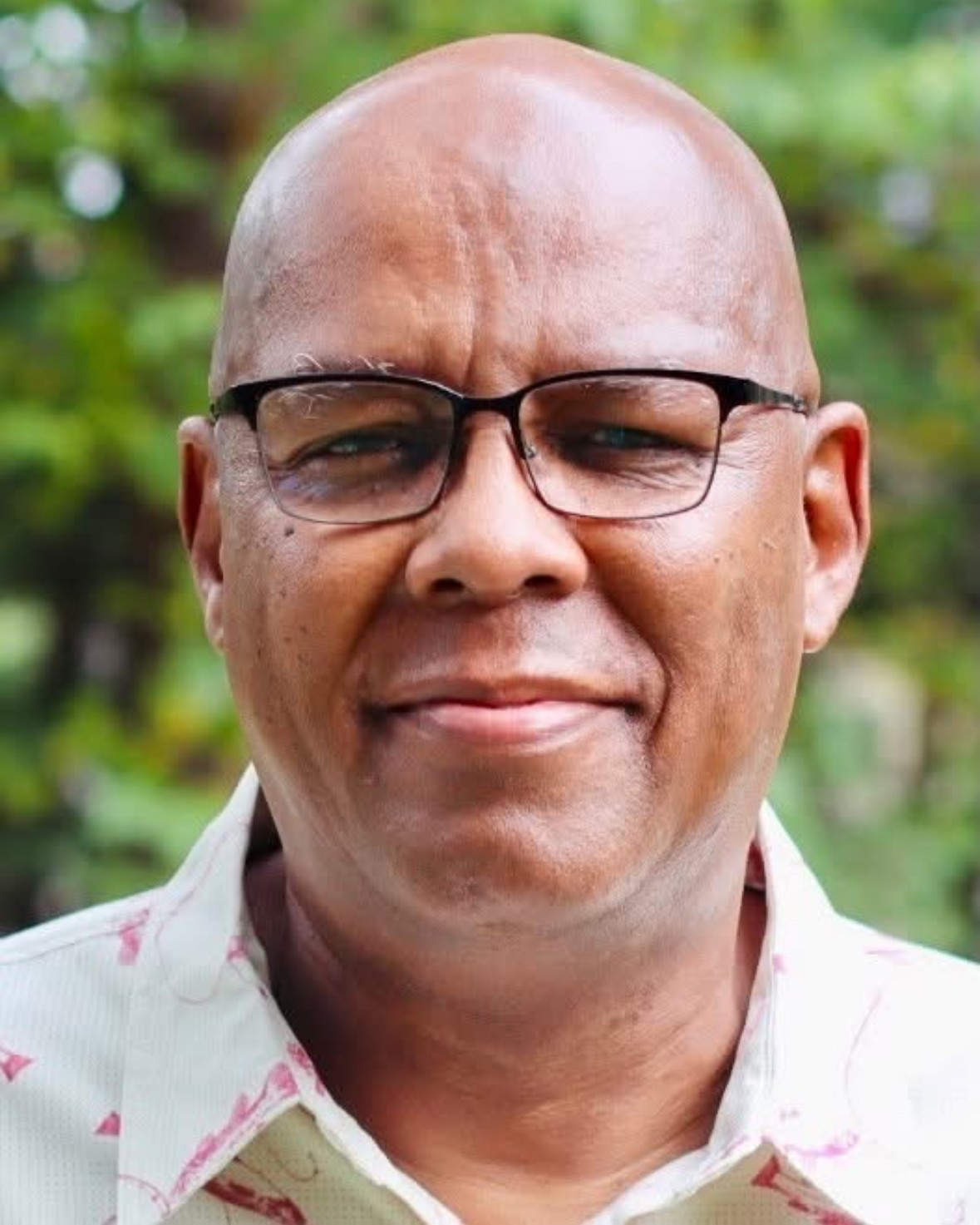
Vincent B. Davis, MCP, NEMAA, FEMA Vanguard Senior Leaders Cohort
Vince brings over two decades of experience in emergency management, disaster preparedness, and organizational resilience.As Senior Manager of Disaster Services at Feeding America, he leads disaster response efforts for the nation's largest hunger-relief organizations. Vince serves as Chairman of the Trask Resilience Board of Advisors, creator of Statera Resilience infrastructure platform, Board Member and Chair of National VOAD Open Doors Committee, and Board Co-chair of Aspiring Emergency Managers Online (AEMO).
A U.S. Air Force veteran, Vince served as an air traffic controller during the Vietnam War, retiring after a 24-year career as a public information officer in the Illinois National Guard. Vince has built an impressive career spanning the corporate, government, and nonprofit sectors. His experience includes senior roles at Amazon HQ, Sony, Walgreens Co, FEMA, and the American Red Cross. This breadth of experience has made Vince a leading voice in efforts to bridge the gap between enterprise-level preparedness and community resilience nationwide.
Vince is a passionate advocate for underserved communities. He has authored three books, including Lost and Turned Out: A Guide to Preparing Underserved Communities for Disasters, The Native Family Disaster Preparedness Handbook, and Empowered and Prepared: The Resilience Guide for Black Communities. A graduate of FEMA's National Emergency Management Advanced Academy (NEMAA) and Founder of Preparedness Matters, LLC, his lifelong commitment to improving preparedness for businesses and communities makes him a leader and sought-after lecturer and mentor. Vince and his wife Maria live in the Chicago area.
Core Instructors
Andrea Davis, CEM, CBCP
Exercise Design Instructor
Andrea is a recognized expert in emergency management, known for her commitment to uniting the public and private sectors in disaster risk reduction. With leadership roles across NGOs, the US Federal Government, and Fortune 500 companies, she has driven global initiatives to ensure inclusive, risk-informed decision-making.
Faith Newton, CEM, MBCP
planning Instructor
Faith is an experienced emergency management professional with over a decade of experience, driven by a passion for providing hope during crises. As a former Director of Preparedness and Public Private Partnerships at Walmart, she excelled in training and coordinating disaster response efforts, as well as leading enterprise business continuity initiatives.
Brianna "Bri" Lentz, CEM
Preparedness & Training Instructor
Bri is an experienced emergency management professional with a focus on inclusive preparedness and community resilience. She brings hands-on disaster response experience from events including the California Camp Fire and Hurricanes Michael, Ida, and Ian, and has held leadership roles supporting equitable emergency response and recovery efforts.
Guest Instructors

Crisis Communications Instructor
Dan is a strategic communicator. He is a writer. His expertise is born from experience, to include his role at the Pentagon upon the attacks of 9/11; as lead spokesperson for the National Guard in Louisiana during Hurricane Katrina where he represented 54 states and territories; responding to the earthquake in Haiti where he helped establish the first-ever international joint information center; creating a coalition with the private sector to implement the first-ever National Business Emergency Operation Center; voluntarily deploying to Puerto Rico within hours of Hurricane Maria’s impact as the lead spokesperson, and much more. Presently, Dan is the Owner and Principal at Stoneking Strategic Communications, LLC.
Previously, Dan served as the External Affairs Director of the Federal Emergency Management Agency (FEMA) Region 3, where he led an award-winning, passionate team to improve information sharing and coordination between FEMA and the American public, including media, the private sector, as well as local, state and government officials during disaster preparedness, response and recovery efforts. As Director, he led his team through countless disasters, the Papal Visit (2015), the Democratic National Convention (2016), and the response to the Jan 6, 2021, attacks on our Nation’s Capital.
That position followed and built upon a career in both the corporate and government arenas focused on strategic and crisis communications, to include roles at FEMA Headquarters as Director, Private Sector and Deputy and Acting Director of Public Affairs.
Dan is a retired Army Officer. He is also the author of Cultivate Your Garden: Crisis Communications from 30,000 Feet to Three Feet, 2024 as well as I Started a Joke, A Collection of Poetry and Other Things, also 2024.

Lucas Eckroad
Leading in a Crisis Instructor
Lucas is a seasoned resilience, crisis management, and employee support executive with more than 20 years of experience leading enterprise-wide programs focused on emergency management, employee resilience, insider threat mitigation, and organizational preparedness.
Originally from Michigan and raised outside of Boston, Lucas attended the University of Wisconsin–Madison before beginning his career with National Geographic in television and film production. Inspired by the response to Hurricane Katrina, he transitioned into emergency management, serving with AmeriCorps, the American Red Cross, and the San Francisco Department of Emergency Management before joining The Walt Disney Company. At Disney, he advanced from Planning Manager to Senior Manager within Global Crisis Management, leading teams responsible for the company's response to major disasters and critical incidents affecting employees and operations worldwide.
Lucas later served as Director of Insider Threat Management, where he launched Disney's first enterprise-wide Insider Threat Management Program, before expanding his leadership role as Director of Employee Resilience. In this capacity, he led teams that managed more than 800 complex incidents, coordinated employee support services, and developed strategies that balanced business continuity with employee well-being. During the COVID-19 pandemic, he led a task force of more than 70 cross-functional leaders to establish enterprise-wide protocols and continuity measures. A recognized leader in resilience and workforce support, Lucas is known for building high-performing teams, strengthening organizational culture, and creating programs that help organizations and employees navigate times of crisis and change.
Learning Objectives
Session 1: Preparedness
- Understand the risks of not being intentional about building a preparedness culture.
- Gain a comprehensive understanding of your audience and why it is important to identify their needs and wants.
- Identify internal structures and systems necessary to amplify a preparedness culture and develop strategies to engage stakeholders.
- Gain actionable insights into the elements that work to advance preparedness strategies.
Session 2: Risk Assessments
- Understand the importance of risk identification and when to conduct them.
- Distinguish between a risk assessment and a business impact analysis (BIA).
- Identify potential threats and vulnerabilities.
- Learn the different types of risk assessments (e.g., qualitative, quantitative, operational, strategic, IT), including when and where each type of assessment is relevant.
Session 3: Plan Develoment
- Understand the stages of creating and maintaining effective, connected, and meaningful plans.
- Understand the essentials of risk assessment, impact analysis, and strategy development for planning.
- Identify strategies to mitigate risks and recover operations quickly after a disruption.
- Assess how to implement, communicate, and train for effective plan execution.
- Learn the importance of regular reviews and updates to keep your plan relevant and effective.
Session 4: Training
- Develop an awareness of the diverse needs, preferences, and learning styles of different target audiences, including employees, Crisis Teams, and C-suite executives.
- Learn effective strategies for tailoring training materials and approaches to the specific requirements of different audiences.
- Explore the principles of inclusive training design, ensuring that all participants, regardless of background, can access and benefit from the materials.
- Explore the use of technology and digital tools to enhance training materials and delivery, making it engaging and accessible for diverse audiences.
Session 5: Exercise Design
- Illustrate the fundamental role of exercises in enhancing an organization's ability to respond to crises and disruptions effectively.
- Compare and contrast the various exercise formats, from tabletop to full-scale exercises, and understand when and how to use each type.
- Acquire the principles of effective exercise design, including defining objectives, scenarios, and success criteria, and identifying key stakeholders and participants.
- Apply the skills necessary to create compelling and realistic exercise scenarios that engage stakeholders and drive meaningful outcomes.
- Translate the knowledge and techniques necessary to facilitate exercises successfully, including conducting pre-briefings, managing the exercise timeline, and debriefing to capture lessons learned.
Session 6: Crisis Communication
- Define and build your brand before an incident to build trust.
- Identify how to define different audiences and establish stakeholders.
- Establish modes and means on how to communicate a message.
- Understand how to create impactful communications that inspire action.
Session 7: Leadership in a Crisis
- Demonstrate the pivotal role of effective leadership in navigating organizations through crises and disruptions.
- Analyze and distinguish between various crisis leadership styles and strategies, understanding when and how to apply each approach.
- Develop an understanding of leadership principles in a crisis by prioritizing people, fostering adaptability, practicing active listening, and making effective decisions, encompassing the ability to define clear objectives, establish success criteria, and identify key stakeholders and team members in the crisis response process.
- Translate the knowledge and techniques required to lead effectively during crises, including pre-crisis preparation, crisis management, and post-crisis reflection to capture valuable lessons.
- Define Duty of Care principles and understand frameworks to ensure the safety, well-being, and legal compliance of your employees, stakeholders, and communities.
Session 8: professional vision boarding
- Reflect on personal and professional goals to clarify future direction and priorities.
- Translate aspirations and motivations into a clear visual representation through a professional vision board.
- Identify key steps or milestones that support progress toward long-term professional goals.
- Share and discuss vision board concepts to strengthen clarity, accountability, and commitment to professional growth.
Session 9: Tabletop Exercise
- Demonstrate the ability to apply the crisis management procedures learned during the course by effectively responding to a simulated crisis scenario.
- Practice making timely decisions.
- Show effective communication and teamwork, creating clear roles and responsibilities.
- Identify key actions for response, including resource allocation and stakeholder communication.
Sponsor the July Academy
The Virtual Academy offers sponsors a valuable opportunity to align with a mission-driven initiative, elevate brand visibility among engaged decision-makers, and demonstrate a commitment to advancing organizational and community resilience through live, interactive, expert-led training
Learn More and Read Our Sponsorship Prospectus Here: https://www.resiliencyinstitute.org/donate
Learn More and Read Our Sponsorship Prospectus Here: https://www.resiliencyinstitute.org/donate

About Us
The Resiliency Academies are proudly brought to you by The Resiliency Institute, a 501 (c) (3) nonprofit organization based in Northwest Arkansas.
We empower individuals and communities to build resilience through three programmatic pillars:
Rooted in collaboration and innovation, The Resiliency Institute is where knowledge, action, and humanity meet to create a more resilient future, locally and globally.
What to learn more? Email us at: [email protected]
We empower individuals and communities to build resilience through three programmatic pillars:
- Intellectual Growth: Advancing knowledge and fostering global partnerships to strengthen crisis leadership and preparedness.
- Financial Empowerment: Promoting economic resilience by supporting initiatives that help individuals and businesses build stronger, more adaptable communities.
- Inspiring Resiliency: Elevating lived experiences and sharing powerful stories that highlight the hope, determination, and lessons learned from overcoming adversity.
Rooted in collaboration and innovation, The Resiliency Institute is where knowledge, action, and humanity meet to create a more resilient future, locally and globally.
What to learn more? Email us at: [email protected]
Questions? Send Us an Email.